/* update variables when header is on dark background*/
.on-dark-bg {
   --header-bg: var(--current-header-bg);
   --chevron-clr: white;
   --menu-item-clr: white;
   --menu-item-hover-bg: #172235;
   --menu-item-hover-clr: #bc92e6;
   --menu-toggle-clr: var(--menu-item-clr);
   --dropdown-content-border: solid 1px rgb(220 220 220 / 20%);
   --mobile-menu-bg: var(--header-bg);
 }

 .on-light-bg {
   --menu-item-clr: black;
   /* update variables when header is on light background*/
 }


 /* update variable when on dark or light background */
 .on-dark-bg,
 .on-light-bg {
   --overlay-header-bg-active: var(--current-header-bg);
   --dropdown-content-bg: var(--current-header-bg);
 }

 .on-video-section {
   /* update variables when header is on video section*/
   --menu-item-clr: white;
   --chevron-clr: white;
   --menu-item-hover-bg: rgb(0 0 0 / 30%);
   --menu-item-hover-clr: #bc92e6;
   --dropdown-content-bg: rgb(0 0 0 / 70%);
   --overlay-header-bg: rgb(0 0 0 / 25%);
   --overlay-header-bg-active: var(--dropdown-content-bg);
   --dropdown-content-border: solid 1px rgb(220 220 220 / 20%);
   --current-header-bg: rgb(0 0 0 / 14%) !important;
   --header-bg: rgb(0 0 0 / 70%);
   --menu-toggle-clr: white;
   --mobile-menu-bg: rgb(0 0 0 / 95%);
   --menu-cta-border: var(--dropdown-content-border)
 }


 .on-hero-section {
   /* update variables when header is on hero section*/
 }

 /* header bg blure when on video section */
 html:not(.dwc-mobile) .dwc-nest-header.on-video-section {
   backdrop-filter: blur(var(--overlay-header-blur));
 }

 /* overlay header border when on video section or dark background*/
 .dwc-nest-header:is(.on-dark-bg, .on-video-section)[data-overlay-header="true"] {
   border: 1px solid rgba(255, 255, 255, 0.2);
 }

 /* header bottom border when on dark background or video section*/
 .dwc-nest-header:is(.on-dark-bg, .on-video-section) {
   border-bottom: 1px solid rgba(255, 255, 255, 0.2);
 }


 /* logo color when on dark background*/
 .on-dark-bg .dwc-nest-menu__logo path {
   fill: white;
 }

 /* logo color when on light background*/
 .on-dark-bg .dwc-nest-menu__logo path {
   /*define svg fill when logo is on light background */
 }

 /* logo color when on video background*/
 .on-video-section .dwc-nest-menu__logo path {
   fill: white;
 }

/*custom */

.on-dark-bg .mega-menu-magic__menu-icon-large{
   background-color: var(--current-header-bg);
    fill: #bc92e6;
    color: #bc92e6;
}

.on-video-section .mega-menu-magic__menu-icon-large{
   background-color: var(--current-header-bg);
    fill: #bc92e6;
    color: #bc92e6;
}

.on-video-section .mega-menu-magic__dropdown-title,
.on-dark-bg .mega-menu-magic__dropdown-title{
    color: rgb(210 210 210);   
}
// Constants
const BREAKPOINT_DESKTOP = 0;
const DEBOUNCE_DELAY = 50;

// Configuration object for all header-related selectors
const HEADER_CONFIG = {
  // Main header element
  headerElement: '.dwc-nest-header',
  // Wrapper element selectors (can be classes, IDs, or data attributes)
  wrapperSelectors: [
    // '.dwc-nest-header__container'
  ],
  // Elements to monitor for header styling (can include any CSS selector)
  // Default monitors sections, but you can add footer, divs, or any element
  monitoredElements: 'section, [data-header-zone]',
  // Store original header background color
  originalHeaderBgColor: null
};

// Unified section type configuration
// Add new data attributes here - they will be automatically mapped to header classes
const SECTION_TYPES = {
  'data-hero': 'on-hero-section',
  'data-video': 'on-video-section',
  'data-custom': 'on-custom-section',
  'data-sticky': 'on-media-section'
  // Add new: 'data-feature': 'on-feature-section'
};

// Configuration for excluded sections
const EXCLUSION_CONFIG = {
  // Data attribute that identifies sections to exclude from header styling
  sectionAttribute: 'data-exclude-header'
};

// Text color classes
const TEXT_CLASSES = {
  light: 'on-dark-bg',
  dark: 'on-light-bg'
};

// Generate classes to remove dynamically from SECTION_TYPES and text classes
const ALL_CLASSES_TO_REMOVE = [
  // Add all header classes from section types
  ...Object.values(SECTION_TYPES),
  // Add text color classes
  TEXT_CLASSES.light,
  TEXT_CLASSES.dark
];

// Performance optimization: Cache DOM elements and computed values
const CACHE = {
  headerElement: null,
  wrapperElement: null,
  sections: [],
  sectionsData: new Map(),
  colorCache: new Map(),
  tempColorElement: null,
  lastKnownSection: null,
  isUpdating: false,
  pendingColorUpdate: false
};

// Initialize cache
function initializeCache() {
  // Cache header elements
  CACHE.headerElement = document.querySelector(HEADER_CONFIG.headerElement);
  
  // Try each wrapper selector until one is found
  for (const selector of HEADER_CONFIG.wrapperSelectors) {
    CACHE.wrapperElement = document.querySelector(selector);
    if (CACHE.wrapperElement) break;
  }
  
  // Cache sections and their positions
  CACHE.sections = Array.from(document.querySelectorAll(HEADER_CONFIG.monitoredElements));
  
  // Create reusable element for color calculations
  CACHE.tempColorElement = document.createElement('div');
  CACHE.tempColorElement.style.position = 'absolute';
  CACHE.tempColorElement.style.visibility = 'hidden';
  CACHE.tempColorElement.style.pointerEvents = 'none';
  document.body.appendChild(CACHE.tempColorElement);
  
  // Cache section metadata
  updateSectionsCache();
}

// Update sections cache (call when DOM changes)
function updateSectionsCache() {
  CACHE.sections = Array.from(document.querySelectorAll(HEADER_CONFIG.monitoredElements));
  CACHE.sectionsData.clear();
  
  CACHE.sections.forEach((section, index) => {
    const sectionData = {
      index,
      isExcluded: section.hasAttribute(EXCLUSION_CONFIG.sectionAttribute)
    };
    
    // Dynamically check for all section types defined in SECTION_TYPES
    Object.keys(SECTION_TYPES).forEach(attribute => {
      sectionData[attribute] = section.hasAttribute(attribute);
    });
    
    CACHE.sectionsData.set(section, sectionData);
  });
}

// Function to remove all section classes from :root only
function removeAllSectionClasses() {
  const rootElement = document.documentElement;
  
  // Remove classes from :root only
  rootElement.classList.remove(...ALL_CLASSES_TO_REMOVE);
}

// Function to update the CSS variable on :root
function updateRootBackgroundVariable(color) {
  document.documentElement.style.setProperty('--current-header-bg', color);
}

// Function to apply classes to :root only
function applyClassesToRoot(headerClass, textClass) {
  const rootElement = document.documentElement;
  
  // Apply header class to :root only
  if (headerClass) {
    rootElement.classList.add(headerClass);
  }
  
  // Apply text class to :root only
  if (textClass) {
    rootElement.classList.add(textClass);
  }
}

// Optimized color conversion using cached temp element
function getRGBValues(color) {
  const cacheKey = color;
  if (CACHE.colorCache.has(cacheKey)) {
    return CACHE.colorCache.get(cacheKey);
  }
  
  CACHE.tempColorElement.style.color = color;
  const computedColor = window.getComputedStyle(CACHE.tempColorElement).color;
  
  // Extract RGB values
  const match = computedColor.match(/rgba?\((\d+),\s*(\d+),\s*(\d+)/);
  const result = match ? {
    r: parseInt(match[1]),
    g: parseInt(match[2]),
    b: parseInt(match[3])
  } : { r: 255, g: 255, b: 255 };
  
  // Cache the result
  CACHE.colorCache.set(cacheKey, result);
  return result;
}

// Function to check if a background color is transparent or empty
function isBackgroundTransparent(color) {
  if (!color) return true;
  
  const transparentValues = [
    'transparent',
    'rgba(0, 0, 0, 0)',
    'rgba(0,0,0,0)',
    'initial',
    'inherit',
    ''
  ];
  
  return transparentValues.includes(color.toLowerCase().replace(/\s/g, ''));
}

// Function to determine if a color is dark or light
function isColorDark(color) {
  if (color === 'transparent' || color === 'rgba(0, 0, 0, 0)') {
    return false;
  }
  
  const rgb = getRGBValues(color);
  const luminance = (0.299 * rgb.r + 0.587 * rgb.g + 0.114 * rgb.b) / 255;
  return luminance < 0.5;
}

// Optimized section detection using cached data
function getCurrentSection() {
  if (!CACHE.headerElement || CACHE.sections.length === 0) return null;
  
  const headerHeight = CACHE.headerElement.offsetHeight;
  
  // Quick check if we're still in the same section
  if (CACHE.lastKnownSection) {
    const rect = CACHE.lastKnownSection.getBoundingClientRect();
    if (rect.top <= headerHeight && rect.bottom > headerHeight) {
      return CACHE.lastKnownSection;
    }
  }
  
  // Binary search would be ideal here, but simple loop is sufficient for most cases
  for (const section of CACHE.sections) {
    const rect = section.getBoundingClientRect();
    if (rect.top <= headerHeight && rect.bottom > headerHeight) {
      CACHE.lastKnownSection = section;
      return section;
    }
  }
  
  const firstSection = CACHE.sections[0] || null;
  CACHE.lastKnownSection = firstSection;
  return firstSection;
}

// Function to get computed background color with caching
function getComputedBackgroundColor(element) {
  const cacheKey = element;
  if (CACHE.colorCache.has(cacheKey)) {
    return CACHE.colorCache.get(cacheKey);
  }
  
  const bgColor = window.getComputedStyle(element).backgroundColor;
  CACHE.colorCache.set(cacheKey, bgColor);
  return bgColor;
}

// Function to initialize original header background color
function initializeOriginalHeaderBgColor() {
  if (CACHE.headerElement) {
    HEADER_CONFIG.originalHeaderBgColor = window.getComputedStyle(CACHE.headerElement).backgroundColor;
  }
}

// Function to determine header style configuration based on section
function determineHeaderConfig(section) {
  if (!section) return null;
  
  const sectionData = CACHE.sectionsData.get(section);
  if (!sectionData) return null;
  
  // If section is excluded, return null to skip styling
  if (sectionData.isExcluded) {
    return null;
  }
  
  // Dynamically check for any section type defined in SECTION_TYPES
  for (const [attribute, headerClass] of Object.entries(SECTION_TYPES)) {
    if (sectionData[attribute]) {
      return {
        backgroundColor: null,
        headerClass: headerClass,
        needsWhiteText: null,
        isSpecialSection: true
      };
    }
  }
  
  // Get the actual background color of the section
  const sectionBgColor = getComputedBackgroundColor(section);
  
  if (isBackgroundTransparent(sectionBgColor)) {
    return {
      backgroundColor: HEADER_CONFIG.originalHeaderBgColor || 'rgb(255, 255, 255)',
      headerClass: null,
      needsWhiteText: isColorDark(HEADER_CONFIG.originalHeaderBgColor || 'rgb(255, 255, 255)'),
      isSpecialSection: false
    };
  }
  
  const needsWhiteText = isColorDark(sectionBgColor);
  
  return {
    backgroundColor: sectionBgColor,
    headerClass: null,
    needsWhiteText: needsWhiteText,
    isSpecialSection: false
  };
}

// Function to apply styles (background color to header, classes to :root only)
function applyHeaderStyles(config) {
  if (!CACHE.headerElement || !config) return;
  
  const elementsToStyle = [CACHE.headerElement, CACHE.wrapperElement].filter(Boolean);
  
  // Use requestAnimationFrame for smooth visual updates
  requestAnimationFrame(() => {
    // First, remove all section classes and text classes from :root only
    removeAllSectionClasses();
    
    // Update the root CSS variable with background color
    if (config.backgroundColor !== null) {
      const appliedBgColor = config.backgroundColor || '';
      updateRootBackgroundVariable(appliedBgColor);
    } else {
      updateRootBackgroundVariable('');
    }
    
    // Determine text class to apply
    const textClass = config.needsWhiteText !== null 
      ? (config.needsWhiteText ? TEXT_CLASSES.light : TEXT_CLASSES.dark)
      : null;
    
    // Apply classes to :root only
    applyClassesToRoot(config.headerClass, textClass);
    
    // Handle background color on header elements only
    elementsToStyle.forEach(element => {
      if (config.backgroundColor !== null) {
        const appliedBgColor = config.backgroundColor || '';
        element.style.backgroundColor = appliedBgColor;
      } else {
        element.style.backgroundColor = '';
      }
    });
    
    // For special sections, allow CSS to apply first, then get computed background color
    if (config.isSpecialSection && config.headerClass) {
      // Use setTimeout(0) to ensure CSS has been applied, but batch multiple calls
      if (!CACHE.pendingColorUpdate) {
        CACHE.pendingColorUpdate = true;
        setTimeout(() => {
          // Process all elements that need color updates in this batch
          elementsToStyle.forEach(el => {
            // Check if element has any of the section classes (though they're not applied anymore)
            const hasSectionClass = Object.values(SECTION_TYPES).some(className => 
              el.classList.contains(className)
            );
            
            if (hasSectionClass) {
              const computedBgColor = getComputedBackgroundColor(el);
              updateRootBackgroundVariable(computedBgColor);
            }
          });
          CACHE.pendingColorUpdate = false;
        }, 50);
      }
    }
    
    CACHE.isUpdating = false;
  });
}

// Throttled update function using requestAnimationFrame
function updateHeaderStyles() {
  // Prevent multiple updates in the same frame
  if (CACHE.isUpdating) return;
  
  // Apply only on screens larger than the breakpoint
  if (window.innerWidth <= BREAKPOINT_DESKTOP) {
    return;
  }
  
  CACHE.isUpdating = true;
  
  const currentSection = getCurrentSection();
  if (!currentSection) {
    CACHE.isUpdating = false;
    return;
  }
  
  const headerConfig = determineHeaderConfig(currentSection);
  if (!headerConfig) {
    CACHE.isUpdating = false;
    return;
  }
  
  applyHeaderStyles(headerConfig);
}

// Debounce function for resize events (less frequent)
function debounce(func, wait) {
  let timeout;
  return function executedFunction(...args) {
    const later = () => {
      clearTimeout(timeout);
      func(...args);
    };
    clearTimeout(timeout);
    timeout = setTimeout(later, wait);
  };
}

// RAF-based throttle for scroll events
let rafId = null;
function throttleWithRAF(func) {
  return function(...args) {
    if (rafId) return;
    
    rafId = requestAnimationFrame(() => {
      func.apply(this, args);
      rafId = null;
    });
  };
}

// Initialize everything
function initialize() {
  initializeCache();
  initializeOriginalHeaderBgColor();
  updateHeaderStyles();
}

// Cleanup function
function cleanup() {
  if (CACHE.tempColorElement && CACHE.tempColorElement.parentNode) {
    CACHE.tempColorElement.parentNode.removeChild(CACHE.tempColorElement);
  }
  if (rafId) {
    cancelAnimationFrame(rafId);
  }
}

// Initialize on page load
if (document.readyState === 'loading') {
  document.addEventListener('DOMContentLoaded', initialize);
} else {
  initialize();
}

// Create optimized event handlers
const throttledUpdateHeaderStyles = throttleWithRAF(updateHeaderStyles);
const debouncedUpdateHeaderStyles = debounce(() => {
  updateSectionsCache(); // Refresh cache on resize
  updateHeaderStyles();
}, DEBOUNCE_DELAY);

// Add event listeners with passive option for better performance
window.addEventListener('scroll', throttledUpdateHeaderStyles, { passive: true });
window.addEventListener('resize', debouncedUpdateHeaderStyles, { passive: true });

// Cleanup on page unload
window.addEventListener('beforeunload', cleanup);

Case studies

The Role of Customization in University Fitness Centers: Enhancing School Spirit and Functionality

The university fitness center is the powerhouse behind brand identity, community, and student engagement.

The university fitness center is the powerhouse behind brand identity, community, and student engagement. As universities continue to invest in upgraded fitness facilities, customization and branded gym equipment can be a key driver in transforming those spaces into hubs of school spirit, engagement, and performance. 
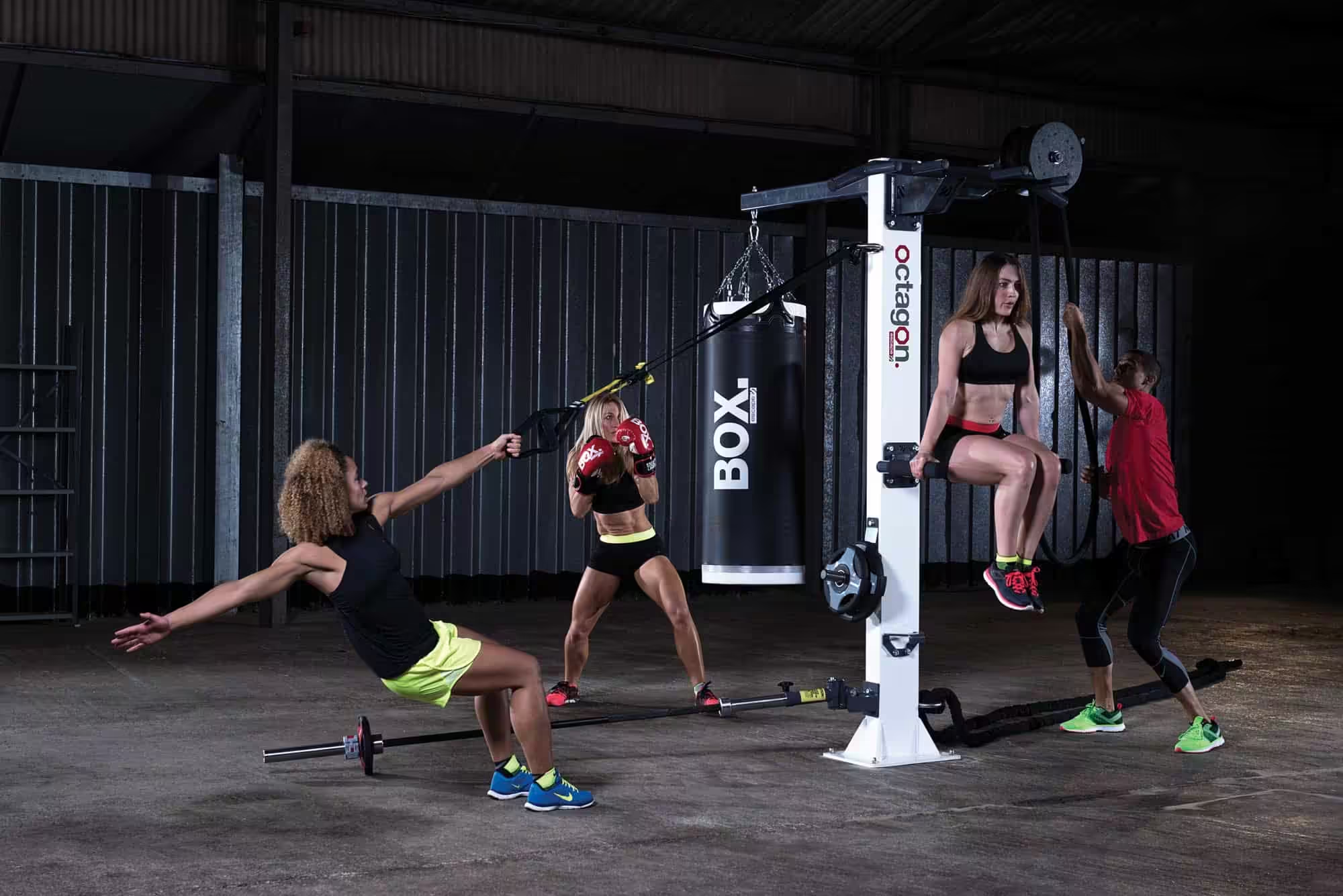
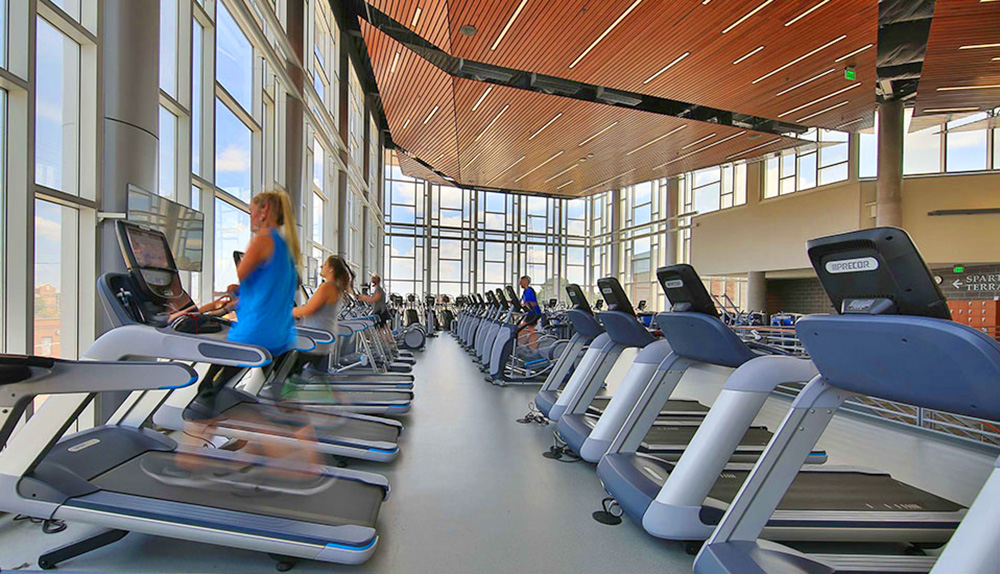
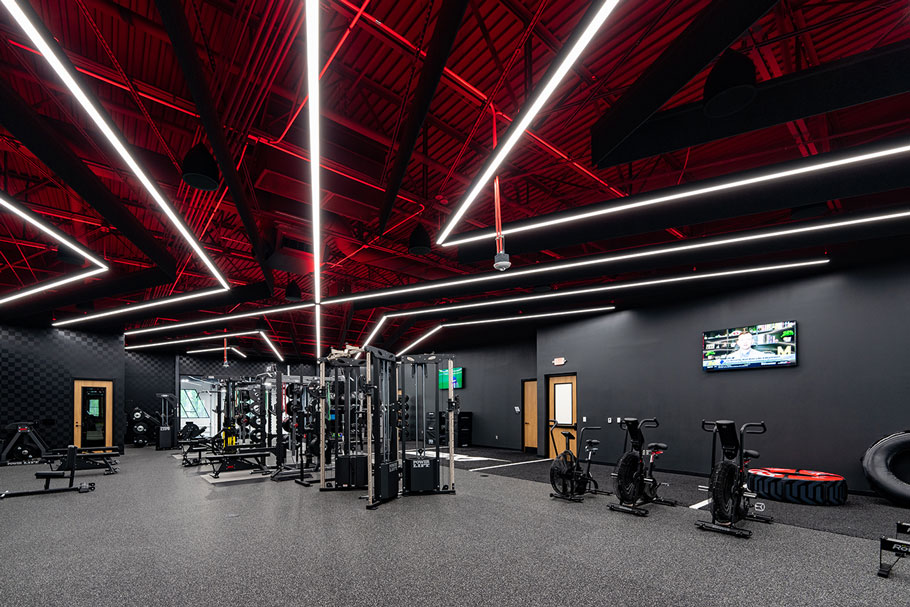
large gym setup

Let’s explore how customization in university fitness centers can both amplify brand identity and improve operational functionality, offering a best‐in‐class approach for campus fitness facilities.

The Power of Brand Identity in Campus Fitness

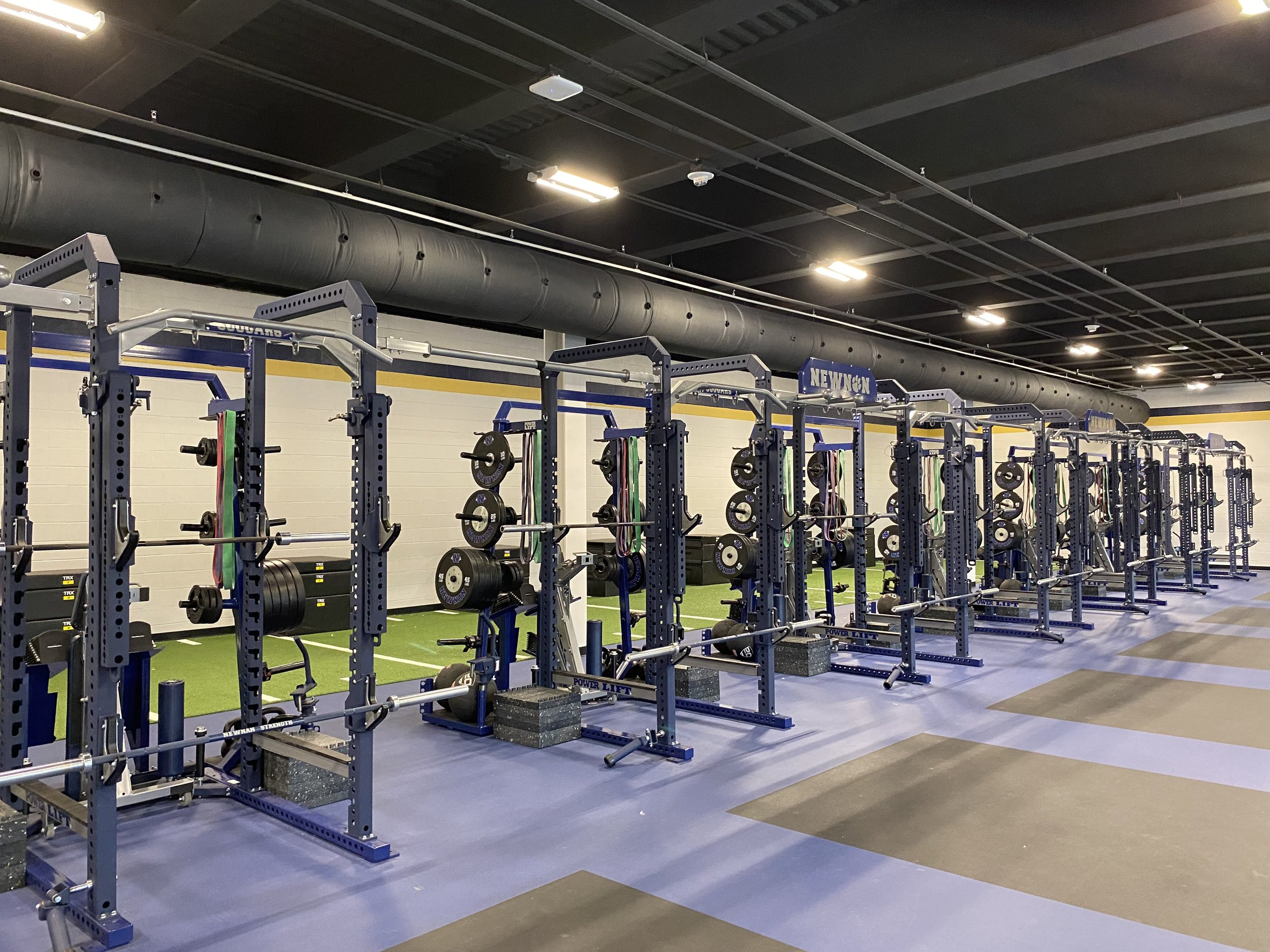
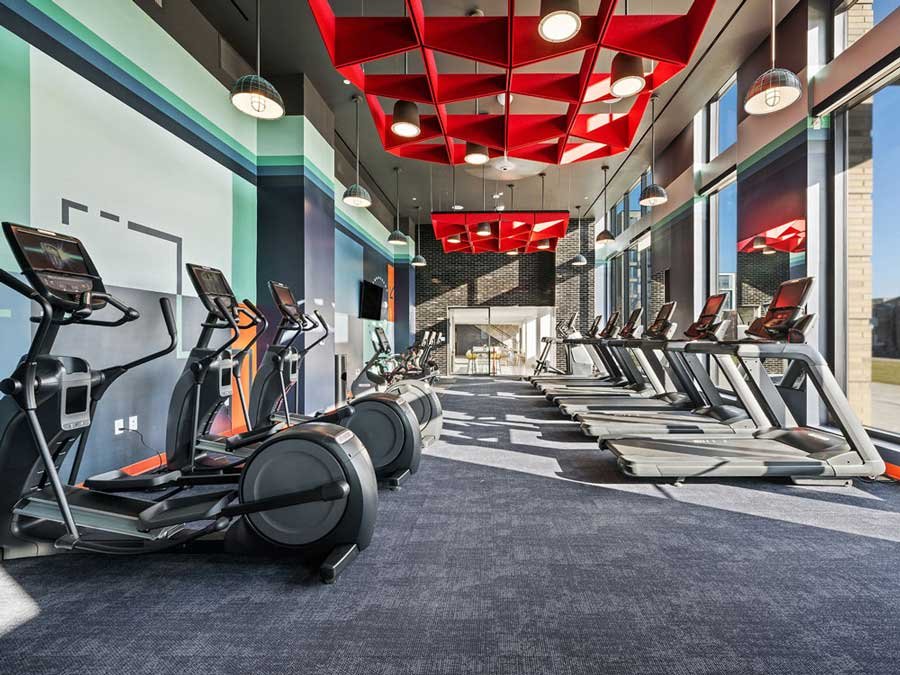
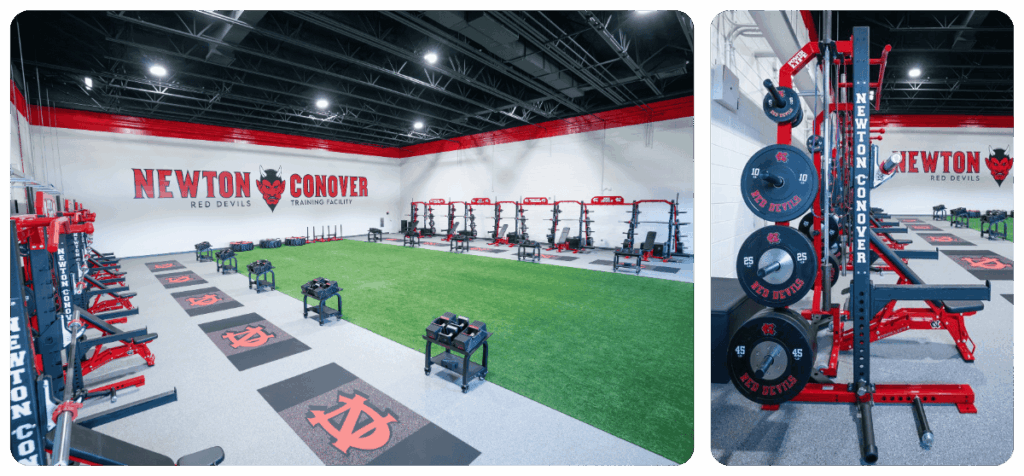
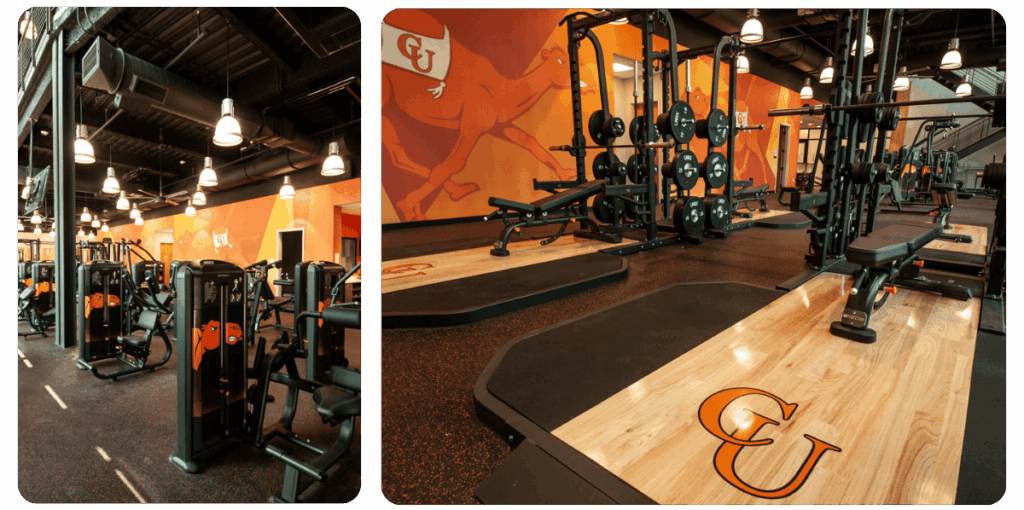
Universities are more than educational institutions—they have identities that students connect with. From colors and logos to mascots and athletic traditions, these elements help shape a shared sense of community. Your campus fitness center is no exception. A customized facility can turn a workout space into a physical expression of that campus identity.
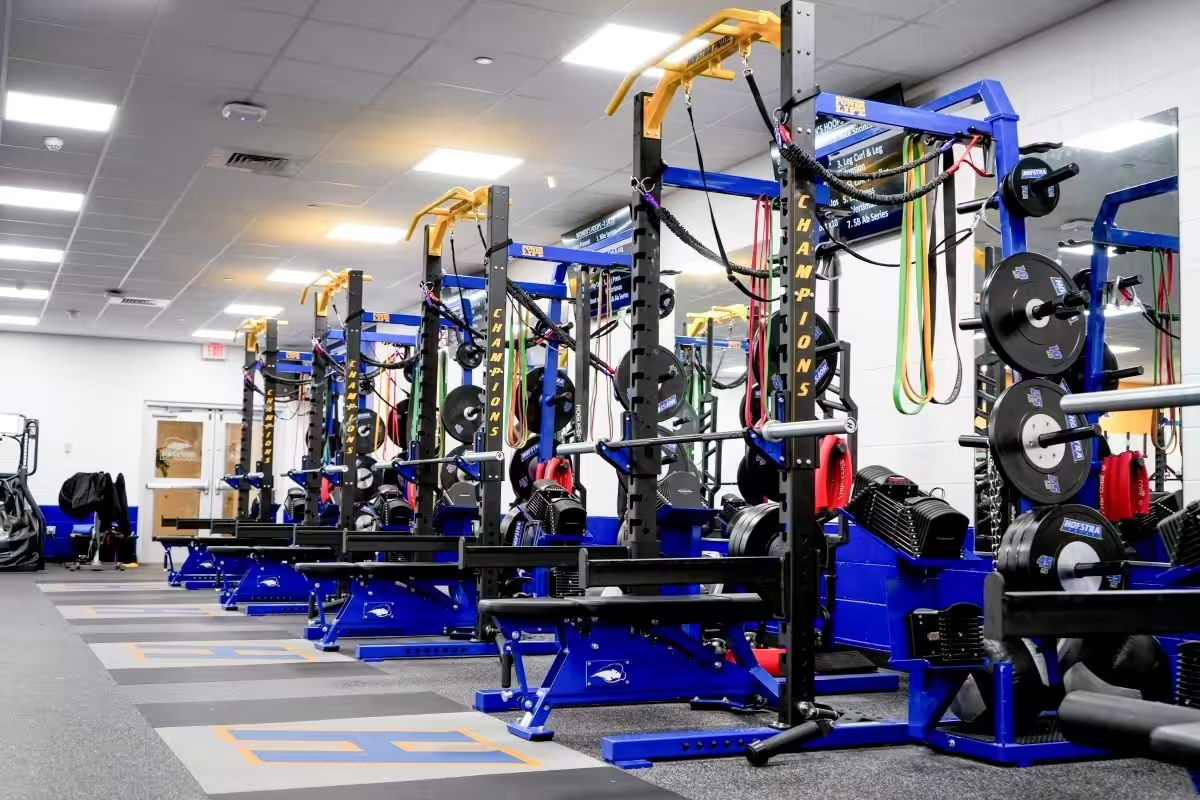
large gym setup

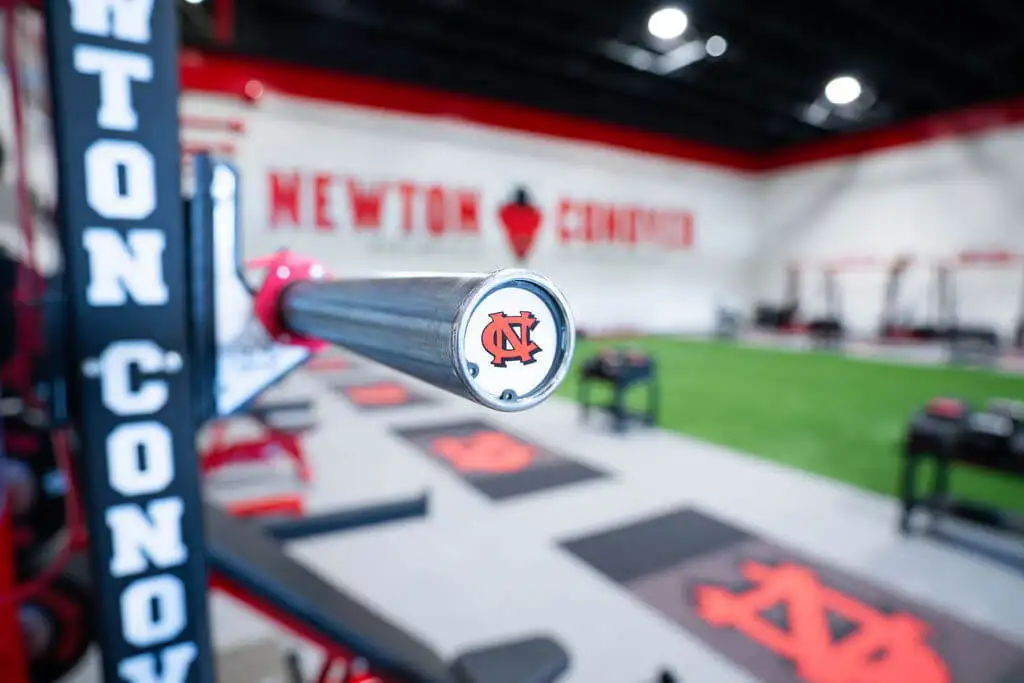
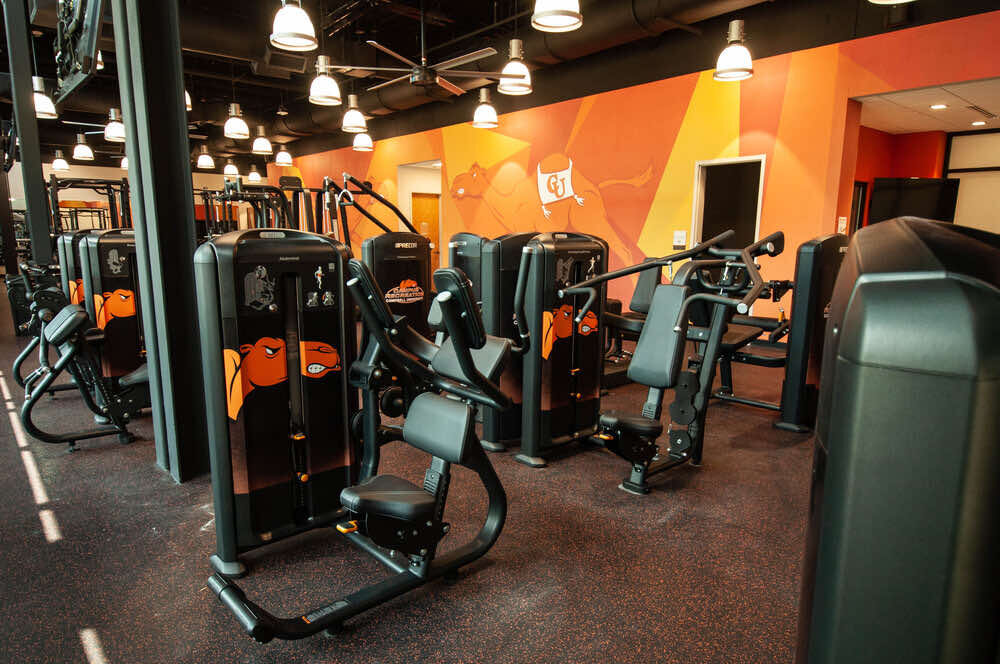
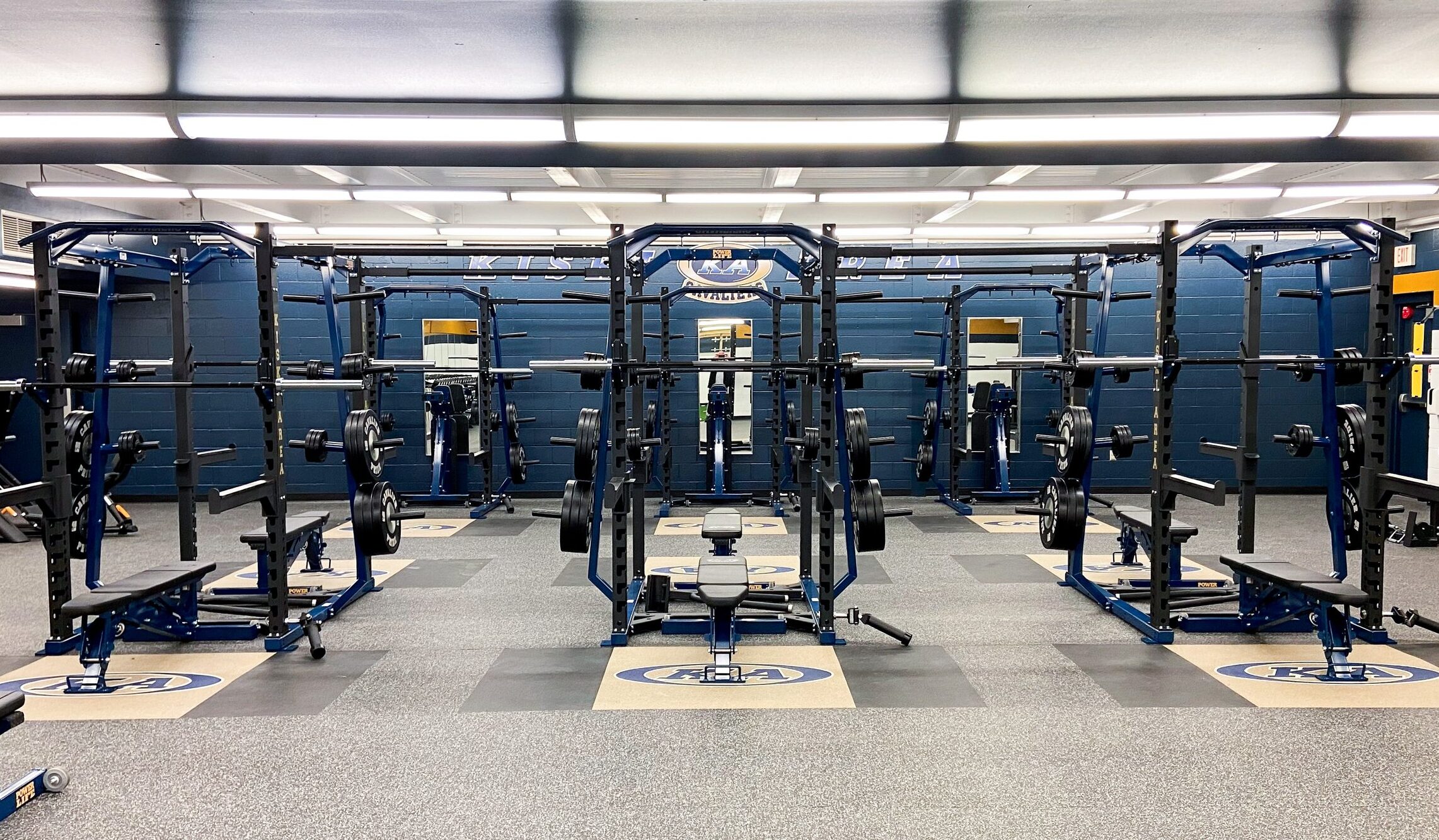
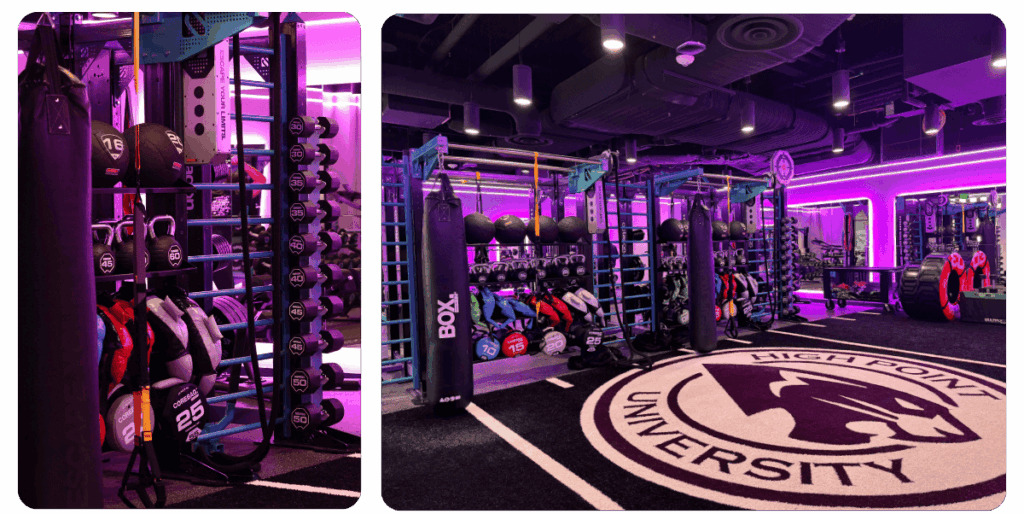
When students walk into a fitness center that reflects their school colors, team logos, or mascot iconography, it reinforces pride and belonging. That sense of identity fosters both initial engagement and sustained use. It says, “This is our space. We belong here.” 

From a marketing and engagement standpoint, boosting that sense of ownership can lead to higher utilization rates, greater student satisfaction, and a stronger campus culture.

Customization might look like:

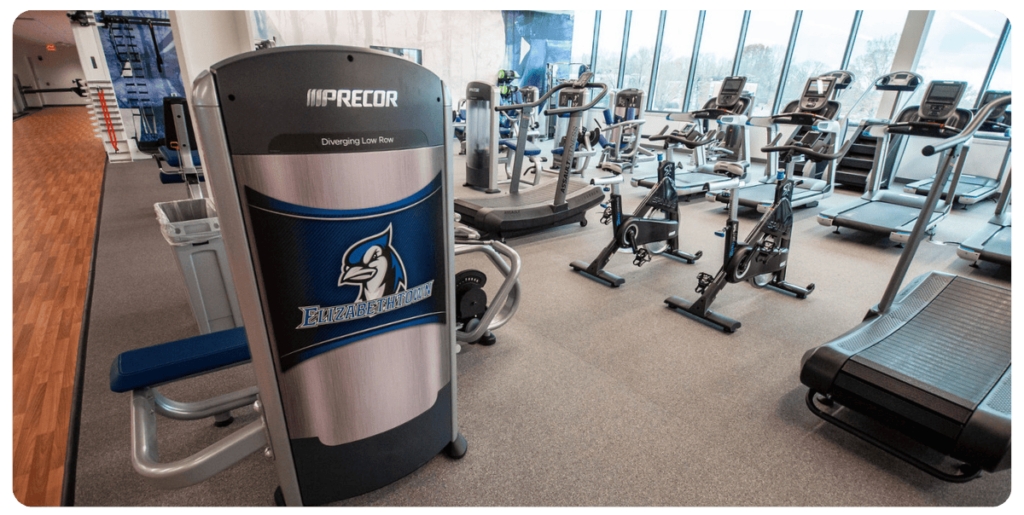
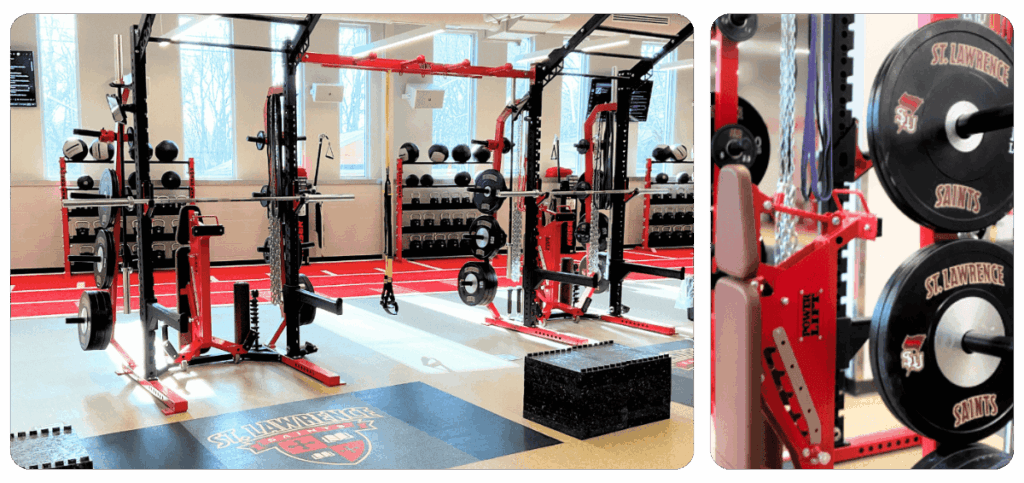
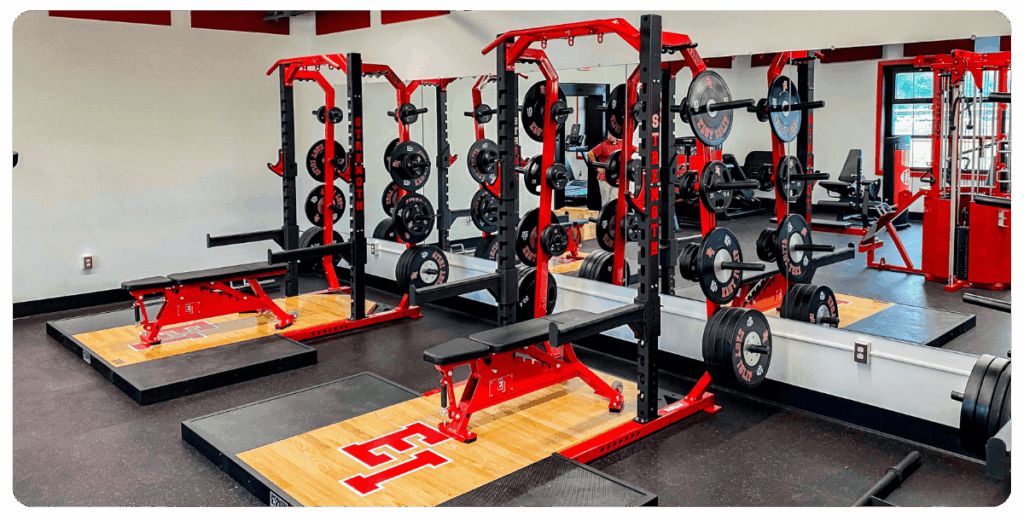
  • Equipment featuring school colors or logo accents
  • Branded flooring zones (like a free weight area with mascot emblem)
  • Custom signage, wall graphics, or themed zones aligned with athletics

By leveraging customization, your fitness center becomes more than a generic wellness space—it becomes uniquely the institution’s.

Functional Benefits of Customization: Beyond Aesthetics

While brand identity is a strong motivator, customization is not just about looks—it serves a purpose. A well‐designed fitness center that is customized thoughtfully can improve functionality, flow, and user experience. Let’s break down how:
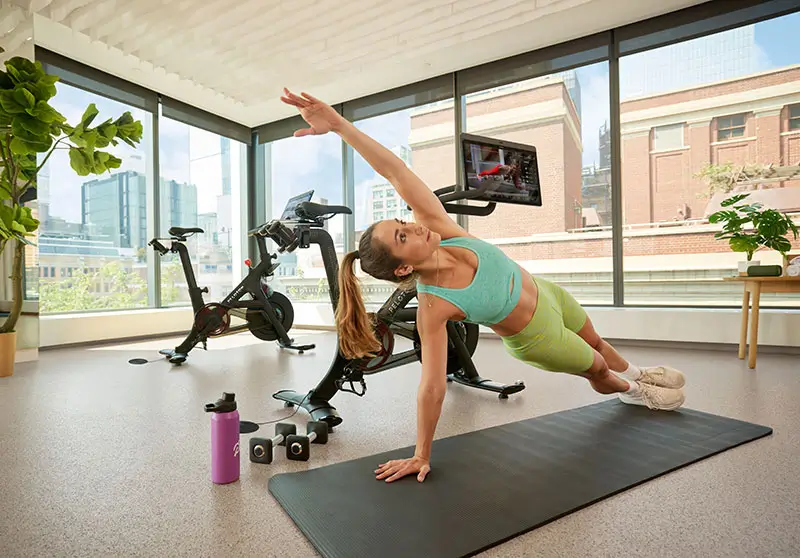
large gym setup

Tailored Equipment Configuration

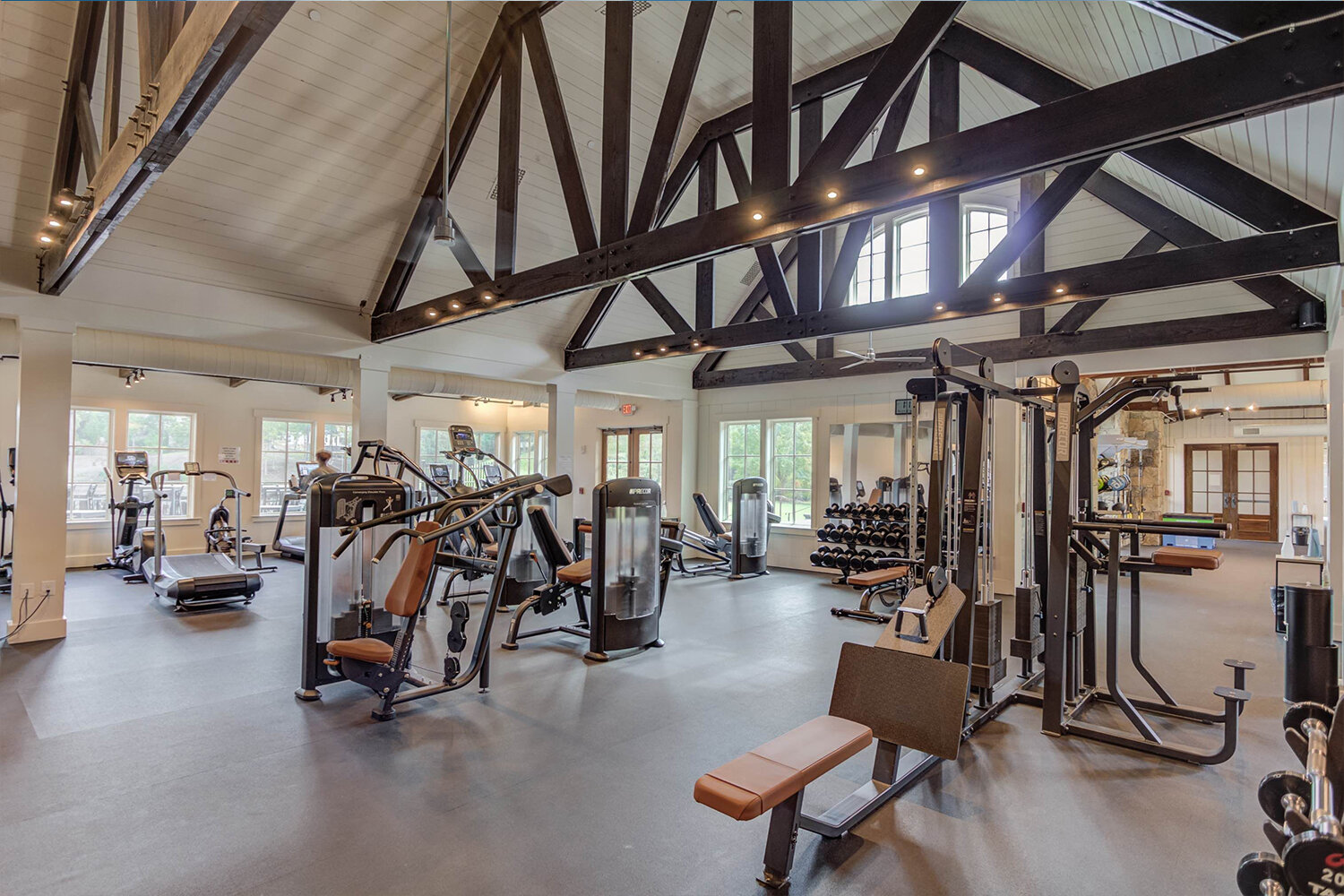
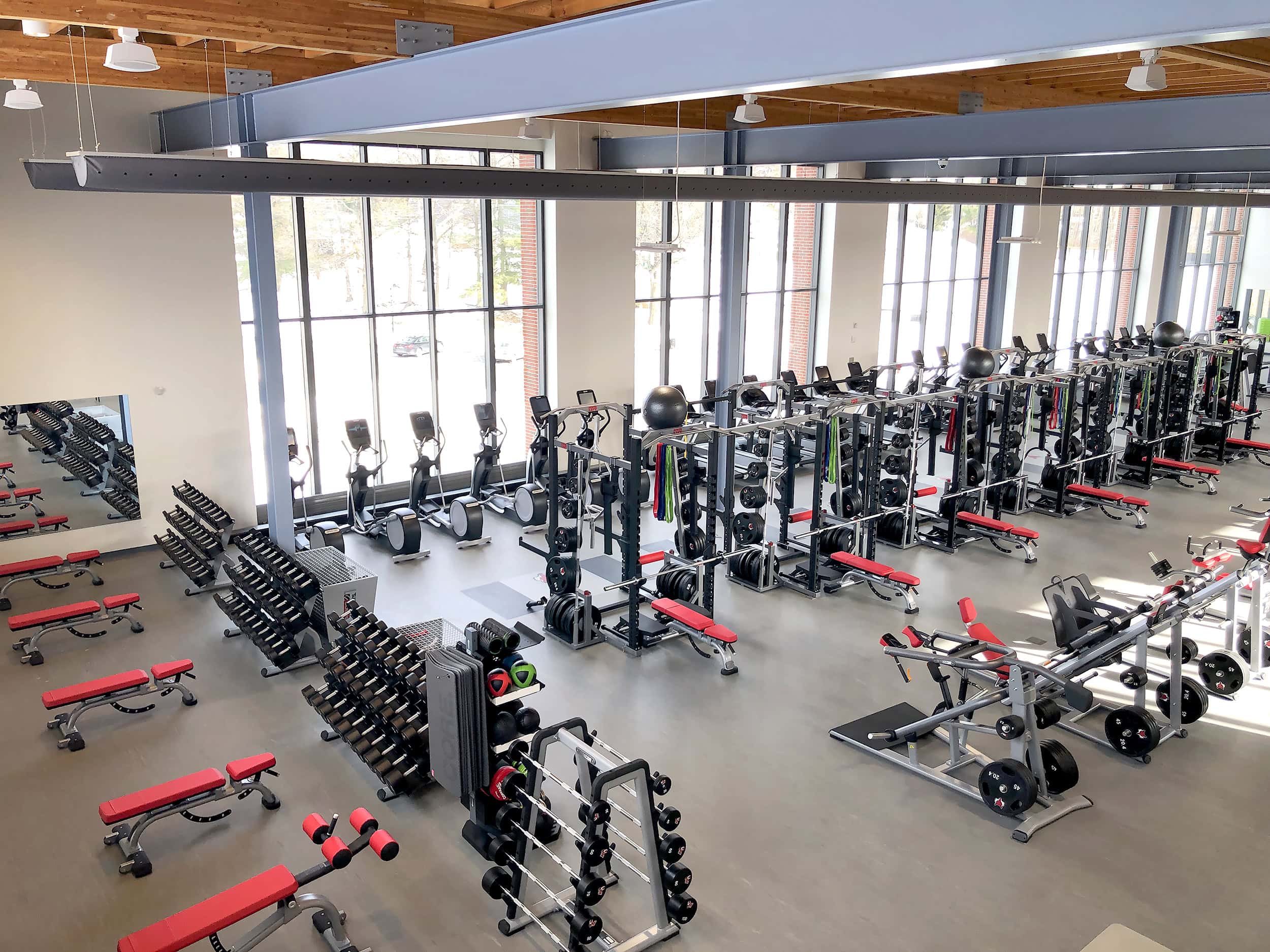
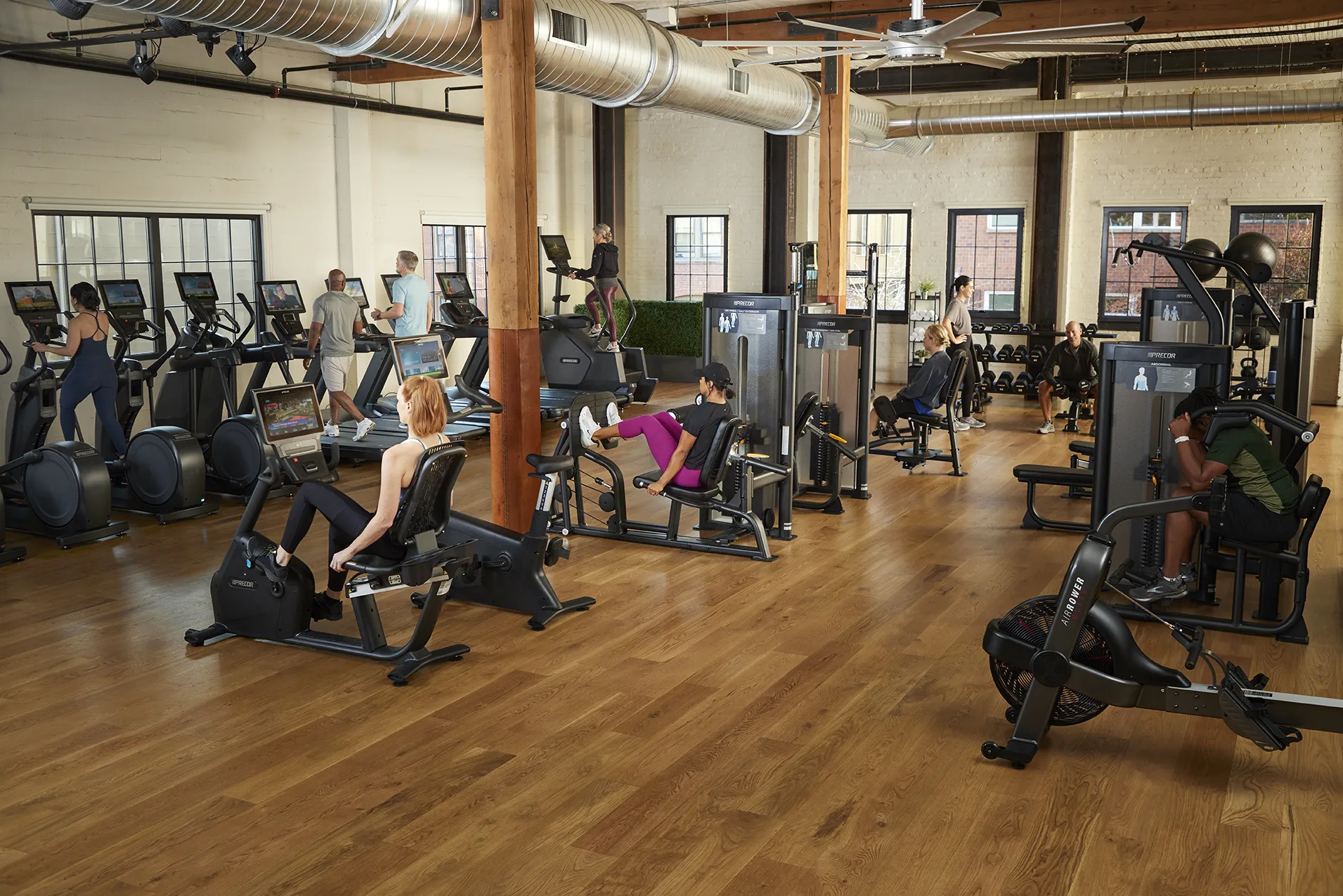
When equipment is selected and laid out with your specific population in mind (student‐athletes, general student body, faculty/staff), it maximizes floor efficiency and minimizes congestion, crowding, etc.

Custom Zoning and Layout for Traffic and Programming

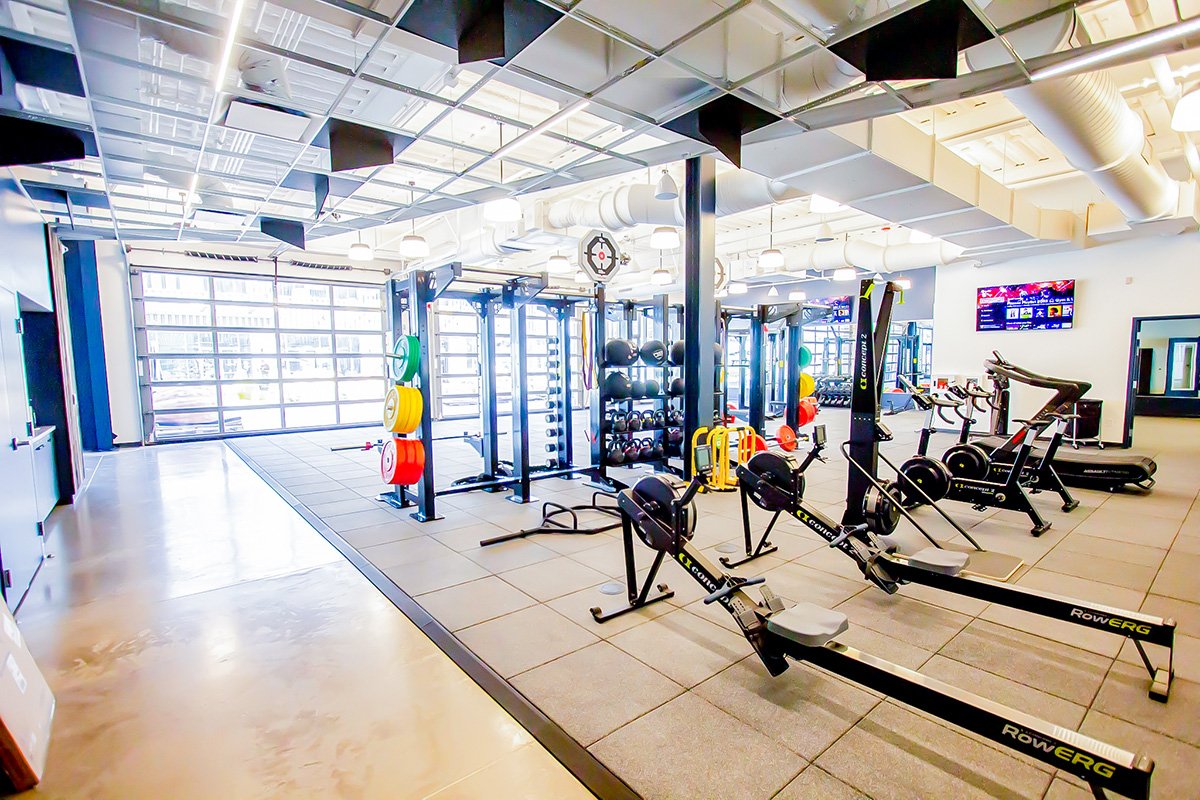
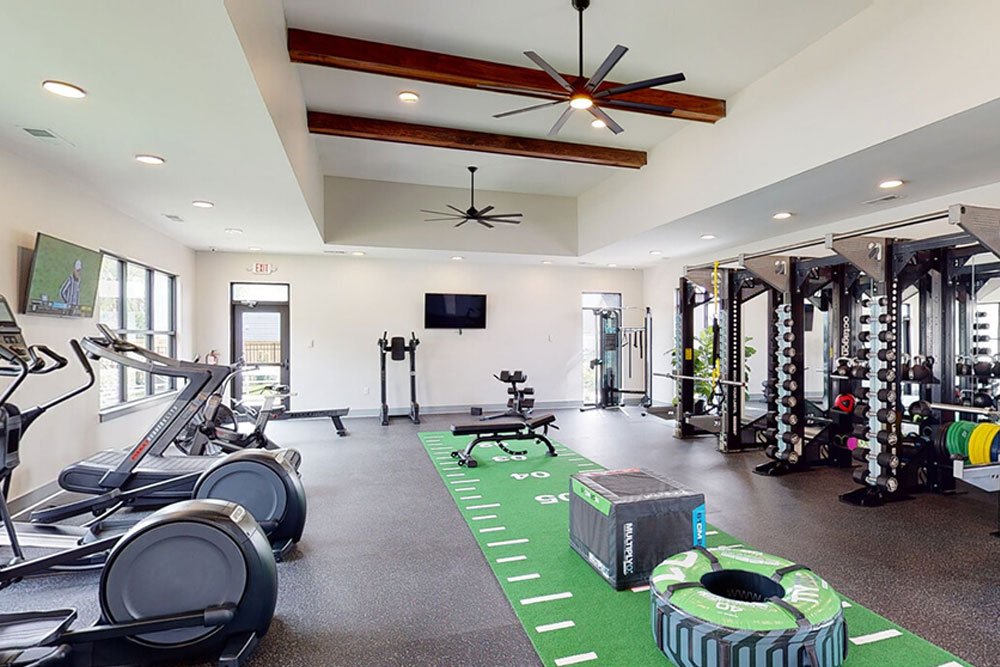
Different user groups have different needs—drop‐in exercisers, intramural athletes, club sports, physical therapy, NCAA athletes, or wellness programs. A custom layout gives each user group a purposeful zone—from high-intensity functional training areas to cardio spaces, recovery zones, weight rooms, and more. This reduces cross-traffic and keeps the facility running efficiently during busy times.

Equipment Customizations to Match Institutional Requirements

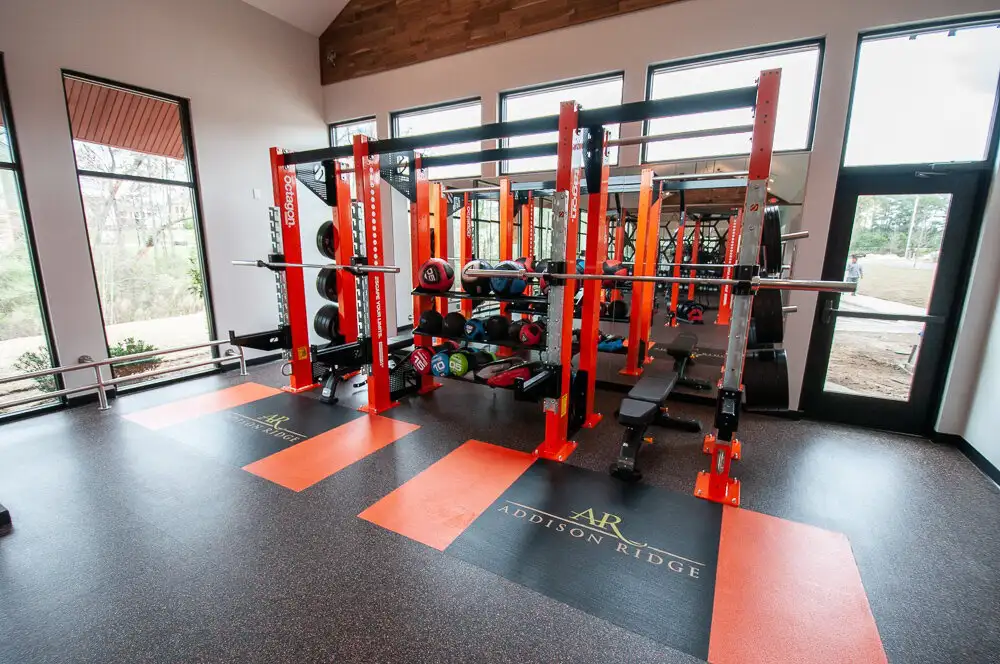
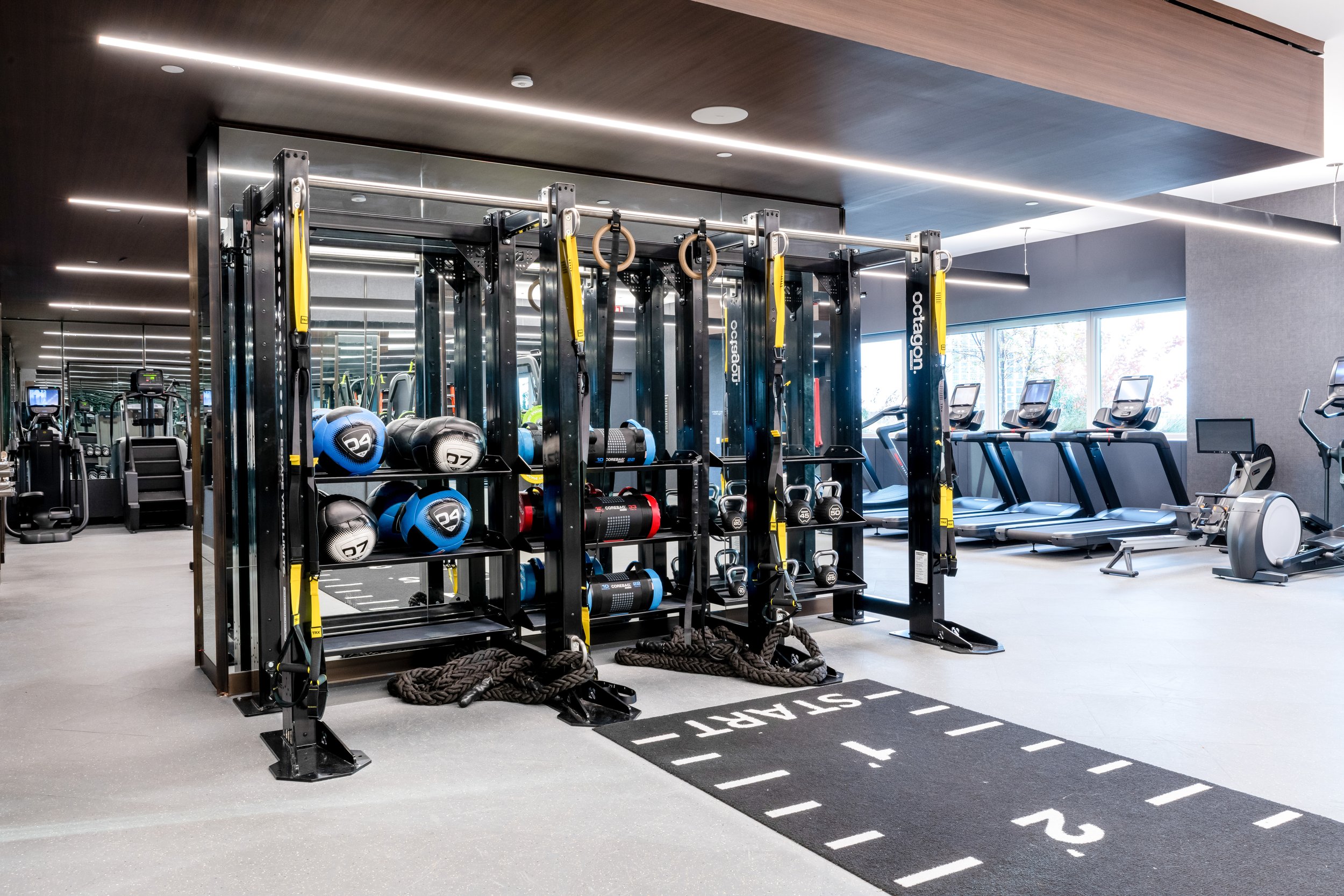
Many universities have distinct design standards, facility constraints, and user needs. With flexible equipment options such as tailored finishes, branded elements, and modular systems, you can create a space that feels truly aligned with your campus. If your students gravitate toward functional training, for instance, a custom functional training frame in school colors not only strengthens the visual identity but also ensures the setup supports how your community actually trains.

How Customization Enhances Student Engagement and Retention
large gym setup

In a competitive higher-ed market, every student engagement opportunity matters. The fitness center has become a key hub for wellness, community building, and student success. Thoughtful customization helps create experiences that truly resonate.

When students see the fitness center as part of their university identity and student life, they’re more likely to use it, bring friends, and participate in activities. That sense of belonging fosters student loyalty and strengthens campus culture.

Moreover, a facility that’s well‐designed and branded signals that the institution invests in student wellness and overall quality of life. That can influence prospective students when they tour the campus. A visually cohesive, well‐branded fitness center speaks volumes about institutional priorities.

Best Practice Checklist for Implementing Customization

To ensure a successful implementation of customization in a university fitness center, use the following checklist. Work with a design partner (like ASF) to ensure that each component aligns with functionality, brand identity, and student engagement.
large gym setup
  • Brand alignment: Define your color palette, logo usage, and visual identity. How will these translate into equipment finishes, wall graphics, flooring, and signage?
  • User segmentation: Identify your primary users (general students, varsity athletes, club sports, faculty/staff) and define usage patterns.
  • Zone mapping: Map out the types of fitness activities, group fitness classes, recovery spaces, and free weight zones. How can customization support your vision for each of these goals?
  • Equipment customization: Select equipment that can be branded or customized. Your equipment provider will help you understand customization options. Consider finishes, upholstery colors, logo placements, and durability.
  • Layout and flow: Work with your experts to design a floorplan to minimize congestion and maximize usable space.
  • Maintenance and sustainability: Ensure that your customized equipment is supported by service agreements and maintenance plans.

Why Partner with Advantage Sport and Fitness
large gym setup

When it comes to executing the vision of a customized university fitness center, selecting the right partner matters. The team at ASF is leading the industry for many reasons, including:

By collaborating with ASF, universities can ensure that their fitness center is visually aligned while functionally optimized for student wellness, utilization, and longevity.

Choose ASF For College and University Gym Equipment Customization, Installation, and Design

If you’re a university fitness center looking to boost school identity and functionality through customization, contact Advantage Sport and Fitness today. Let’s transform your fitness center into a vibrant hub of student life and school spirit.

Ready to start your next project? Reach out to the Advantage team today.

Our services

We are ready to support your facility in every phase.

Partner Brands

Explore our collection of partner brands.

All Partner Brands
Case Studies

Examples of our work.

All Case Studies