/* update variables when header is on dark background*/
.on-dark-bg {
   --header-bg: var(--current-header-bg);
   --chevron-clr: white;
   --menu-item-clr: white;
   --menu-item-hover-bg: #172235;
   --menu-item-hover-clr: #bc92e6;
   --menu-toggle-clr: var(--menu-item-clr);
   --dropdown-content-border: solid 1px rgb(220 220 220 / 20%);
   --mobile-menu-bg: var(--header-bg);
 }

 .on-light-bg {
   --menu-item-clr: black;
   /* update variables when header is on light background*/
 }


 /* update variable when on dark or light background */
 .on-dark-bg,
 .on-light-bg {
   --overlay-header-bg-active: var(--current-header-bg);
   --dropdown-content-bg: var(--current-header-bg);
 }

 .on-video-section {
   /* update variables when header is on video section*/
   --menu-item-clr: white;
   --chevron-clr: white;
   --menu-item-hover-bg: rgb(0 0 0 / 30%);
   --menu-item-hover-clr: #bc92e6;
   --dropdown-content-bg: rgb(0 0 0 / 70%);
   --overlay-header-bg: rgb(0 0 0 / 25%);
   --overlay-header-bg-active: var(--dropdown-content-bg);
   --dropdown-content-border: solid 1px rgb(220 220 220 / 20%);
   --current-header-bg: rgb(0 0 0 / 14%) !important;
   --header-bg: rgb(0 0 0 / 70%);
   --menu-toggle-clr: white;
   --mobile-menu-bg: rgb(0 0 0 / 95%);
   --menu-cta-border: var(--dropdown-content-border)
 }


 .on-hero-section {
   /* update variables when header is on hero section*/
 }

 /* header bg blure when on video section */
 html:not(.dwc-mobile) .dwc-nest-header.on-video-section {
   backdrop-filter: blur(var(--overlay-header-blur));
 }

 /* overlay header border when on video section or dark background*/
 .dwc-nest-header:is(.on-dark-bg, .on-video-section)[data-overlay-header="true"] {
   border: 1px solid rgba(255, 255, 255, 0.2);
 }

 /* header bottom border when on dark background or video section*/
 .dwc-nest-header:is(.on-dark-bg, .on-video-section) {
   border-bottom: 1px solid rgba(255, 255, 255, 0.2);
 }


 /* logo color when on dark background*/
 .on-dark-bg .dwc-nest-menu__logo path {
   fill: white;
 }

 /* logo color when on light background*/
 .on-dark-bg .dwc-nest-menu__logo path {
   /*define svg fill when logo is on light background */
 }

 /* logo color when on video background*/
 .on-video-section .dwc-nest-menu__logo path {
   fill: white;
 }

/*custom */

.on-dark-bg .mega-menu-magic__menu-icon-large{
   background-color: var(--current-header-bg);
    fill: #bc92e6;
    color: #bc92e6;
}

.on-video-section .mega-menu-magic__menu-icon-large{
   background-color: var(--current-header-bg);
    fill: #bc92e6;
    color: #bc92e6;
}

.on-video-section .mega-menu-magic__dropdown-title,
.on-dark-bg .mega-menu-magic__dropdown-title{
    color: rgb(210 210 210);   
}
// Constants
const BREAKPOINT_DESKTOP = 0;
const DEBOUNCE_DELAY = 50;

// Configuration object for all header-related selectors
const HEADER_CONFIG = {
  // Main header element
  headerElement: '.dwc-nest-header',
  // Wrapper element selectors (can be classes, IDs, or data attributes)
  wrapperSelectors: [
    // '.dwc-nest-header__container'
  ],
  // Elements to monitor for header styling (can include any CSS selector)
  // Default monitors sections, but you can add footer, divs, or any element
  monitoredElements: 'section, [data-header-zone]',
  // Store original header background color
  originalHeaderBgColor: null
};

// Unified section type configuration
// Add new data attributes here - they will be automatically mapped to header classes
const SECTION_TYPES = {
  'data-hero': 'on-hero-section',
  'data-video': 'on-video-section',
  'data-custom': 'on-custom-section',
  'data-sticky': 'on-media-section'
  // Add new: 'data-feature': 'on-feature-section'
};

// Configuration for excluded sections
const EXCLUSION_CONFIG = {
  // Data attribute that identifies sections to exclude from header styling
  sectionAttribute: 'data-exclude-header'
};

// Text color classes
const TEXT_CLASSES = {
  light: 'on-dark-bg',
  dark: 'on-light-bg'
};

// Generate classes to remove dynamically from SECTION_TYPES and text classes
const ALL_CLASSES_TO_REMOVE = [
  // Add all header classes from section types
  ...Object.values(SECTION_TYPES),
  // Add text color classes
  TEXT_CLASSES.light,
  TEXT_CLASSES.dark
];

// Performance optimization: Cache DOM elements and computed values
const CACHE = {
  headerElement: null,
  wrapperElement: null,
  sections: [],
  sectionsData: new Map(),
  colorCache: new Map(),
  tempColorElement: null,
  lastKnownSection: null,
  isUpdating: false,
  pendingColorUpdate: false
};

// Initialize cache
function initializeCache() {
  // Cache header elements
  CACHE.headerElement = document.querySelector(HEADER_CONFIG.headerElement);
  
  // Try each wrapper selector until one is found
  for (const selector of HEADER_CONFIG.wrapperSelectors) {
    CACHE.wrapperElement = document.querySelector(selector);
    if (CACHE.wrapperElement) break;
  }
  
  // Cache sections and their positions
  CACHE.sections = Array.from(document.querySelectorAll(HEADER_CONFIG.monitoredElements));
  
  // Create reusable element for color calculations
  CACHE.tempColorElement = document.createElement('div');
  CACHE.tempColorElement.style.position = 'absolute';
  CACHE.tempColorElement.style.visibility = 'hidden';
  CACHE.tempColorElement.style.pointerEvents = 'none';
  document.body.appendChild(CACHE.tempColorElement);
  
  // Cache section metadata
  updateSectionsCache();
}

// Update sections cache (call when DOM changes)
function updateSectionsCache() {
  CACHE.sections = Array.from(document.querySelectorAll(HEADER_CONFIG.monitoredElements));
  CACHE.sectionsData.clear();
  
  CACHE.sections.forEach((section, index) => {
    const sectionData = {
      index,
      isExcluded: section.hasAttribute(EXCLUSION_CONFIG.sectionAttribute)
    };
    
    // Dynamically check for all section types defined in SECTION_TYPES
    Object.keys(SECTION_TYPES).forEach(attribute => {
      sectionData[attribute] = section.hasAttribute(attribute);
    });
    
    CACHE.sectionsData.set(section, sectionData);
  });
}

// Function to remove all section classes from :root only
function removeAllSectionClasses() {
  const rootElement = document.documentElement;
  
  // Remove classes from :root only
  rootElement.classList.remove(...ALL_CLASSES_TO_REMOVE);
}

// Function to update the CSS variable on :root
function updateRootBackgroundVariable(color) {
  document.documentElement.style.setProperty('--current-header-bg', color);
}

// Function to apply classes to :root only
function applyClassesToRoot(headerClass, textClass) {
  const rootElement = document.documentElement;
  
  // Apply header class to :root only
  if (headerClass) {
    rootElement.classList.add(headerClass);
  }
  
  // Apply text class to :root only
  if (textClass) {
    rootElement.classList.add(textClass);
  }
}

// Optimized color conversion using cached temp element
function getRGBValues(color) {
  const cacheKey = color;
  if (CACHE.colorCache.has(cacheKey)) {
    return CACHE.colorCache.get(cacheKey);
  }
  
  CACHE.tempColorElement.style.color = color;
  const computedColor = window.getComputedStyle(CACHE.tempColorElement).color;
  
  // Extract RGB values
  const match = computedColor.match(/rgba?\((\d+),\s*(\d+),\s*(\d+)/);
  const result = match ? {
    r: parseInt(match[1]),
    g: parseInt(match[2]),
    b: parseInt(match[3])
  } : { r: 255, g: 255, b: 255 };
  
  // Cache the result
  CACHE.colorCache.set(cacheKey, result);
  return result;
}

// Function to check if a background color is transparent or empty
function isBackgroundTransparent(color) {
  if (!color) return true;
  
  const transparentValues = [
    'transparent',
    'rgba(0, 0, 0, 0)',
    'rgba(0,0,0,0)',
    'initial',
    'inherit',
    ''
  ];
  
  return transparentValues.includes(color.toLowerCase().replace(/\s/g, ''));
}

// Function to determine if a color is dark or light
function isColorDark(color) {
  if (color === 'transparent' || color === 'rgba(0, 0, 0, 0)') {
    return false;
  }
  
  const rgb = getRGBValues(color);
  const luminance = (0.299 * rgb.r + 0.587 * rgb.g + 0.114 * rgb.b) / 255;
  return luminance < 0.5;
}

// Optimized section detection using cached data
function getCurrentSection() {
  if (!CACHE.headerElement || CACHE.sections.length === 0) return null;
  
  const headerHeight = CACHE.headerElement.offsetHeight;
  
  // Quick check if we're still in the same section
  if (CACHE.lastKnownSection) {
    const rect = CACHE.lastKnownSection.getBoundingClientRect();
    if (rect.top <= headerHeight && rect.bottom > headerHeight) {
      return CACHE.lastKnownSection;
    }
  }
  
  // Binary search would be ideal here, but simple loop is sufficient for most cases
  for (const section of CACHE.sections) {
    const rect = section.getBoundingClientRect();
    if (rect.top <= headerHeight && rect.bottom > headerHeight) {
      CACHE.lastKnownSection = section;
      return section;
    }
  }
  
  const firstSection = CACHE.sections[0] || null;
  CACHE.lastKnownSection = firstSection;
  return firstSection;
}

// Function to get computed background color with caching
function getComputedBackgroundColor(element) {
  const cacheKey = element;
  if (CACHE.colorCache.has(cacheKey)) {
    return CACHE.colorCache.get(cacheKey);
  }
  
  const bgColor = window.getComputedStyle(element).backgroundColor;
  CACHE.colorCache.set(cacheKey, bgColor);
  return bgColor;
}

// Function to initialize original header background color
function initializeOriginalHeaderBgColor() {
  if (CACHE.headerElement) {
    HEADER_CONFIG.originalHeaderBgColor = window.getComputedStyle(CACHE.headerElement).backgroundColor;
  }
}

// Function to determine header style configuration based on section
function determineHeaderConfig(section) {
  if (!section) return null;
  
  const sectionData = CACHE.sectionsData.get(section);
  if (!sectionData) return null;
  
  // If section is excluded, return null to skip styling
  if (sectionData.isExcluded) {
    return null;
  }
  
  // Dynamically check for any section type defined in SECTION_TYPES
  for (const [attribute, headerClass] of Object.entries(SECTION_TYPES)) {
    if (sectionData[attribute]) {
      return {
        backgroundColor: null,
        headerClass: headerClass,
        needsWhiteText: null,
        isSpecialSection: true
      };
    }
  }
  
  // Get the actual background color of the section
  const sectionBgColor = getComputedBackgroundColor(section);
  
  if (isBackgroundTransparent(sectionBgColor)) {
    return {
      backgroundColor: HEADER_CONFIG.originalHeaderBgColor || 'rgb(255, 255, 255)',
      headerClass: null,
      needsWhiteText: isColorDark(HEADER_CONFIG.originalHeaderBgColor || 'rgb(255, 255, 255)'),
      isSpecialSection: false
    };
  }
  
  const needsWhiteText = isColorDark(sectionBgColor);
  
  return {
    backgroundColor: sectionBgColor,
    headerClass: null,
    needsWhiteText: needsWhiteText,
    isSpecialSection: false
  };
}

// Function to apply styles (background color to header, classes to :root only)
function applyHeaderStyles(config) {
  if (!CACHE.headerElement || !config) return;
  
  const elementsToStyle = [CACHE.headerElement, CACHE.wrapperElement].filter(Boolean);
  
  // Use requestAnimationFrame for smooth visual updates
  requestAnimationFrame(() => {
    // First, remove all section classes and text classes from :root only
    removeAllSectionClasses();
    
    // Update the root CSS variable with background color
    if (config.backgroundColor !== null) {
      const appliedBgColor = config.backgroundColor || '';
      updateRootBackgroundVariable(appliedBgColor);
    } else {
      updateRootBackgroundVariable('');
    }
    
    // Determine text class to apply
    const textClass = config.needsWhiteText !== null 
      ? (config.needsWhiteText ? TEXT_CLASSES.light : TEXT_CLASSES.dark)
      : null;
    
    // Apply classes to :root only
    applyClassesToRoot(config.headerClass, textClass);
    
    // Handle background color on header elements only
    elementsToStyle.forEach(element => {
      if (config.backgroundColor !== null) {
        const appliedBgColor = config.backgroundColor || '';
        element.style.backgroundColor = appliedBgColor;
      } else {
        element.style.backgroundColor = '';
      }
    });
    
    // For special sections, allow CSS to apply first, then get computed background color
    if (config.isSpecialSection && config.headerClass) {
      // Use setTimeout(0) to ensure CSS has been applied, but batch multiple calls
      if (!CACHE.pendingColorUpdate) {
        CACHE.pendingColorUpdate = true;
        setTimeout(() => {
          // Process all elements that need color updates in this batch
          elementsToStyle.forEach(el => {
            // Check if element has any of the section classes (though they're not applied anymore)
            const hasSectionClass = Object.values(SECTION_TYPES).some(className => 
              el.classList.contains(className)
            );
            
            if (hasSectionClass) {
              const computedBgColor = getComputedBackgroundColor(el);
              updateRootBackgroundVariable(computedBgColor);
            }
          });
          CACHE.pendingColorUpdate = false;
        }, 50);
      }
    }
    
    CACHE.isUpdating = false;
  });
}

// Throttled update function using requestAnimationFrame
function updateHeaderStyles() {
  // Prevent multiple updates in the same frame
  if (CACHE.isUpdating) return;
  
  // Apply only on screens larger than the breakpoint
  if (window.innerWidth <= BREAKPOINT_DESKTOP) {
    return;
  }
  
  CACHE.isUpdating = true;
  
  const currentSection = getCurrentSection();
  if (!currentSection) {
    CACHE.isUpdating = false;
    return;
  }
  
  const headerConfig = determineHeaderConfig(currentSection);
  if (!headerConfig) {
    CACHE.isUpdating = false;
    return;
  }
  
  applyHeaderStyles(headerConfig);
}

// Debounce function for resize events (less frequent)
function debounce(func, wait) {
  let timeout;
  return function executedFunction(...args) {
    const later = () => {
      clearTimeout(timeout);
      func(...args);
    };
    clearTimeout(timeout);
    timeout = setTimeout(later, wait);
  };
}

// RAF-based throttle for scroll events
let rafId = null;
function throttleWithRAF(func) {
  return function(...args) {
    if (rafId) return;
    
    rafId = requestAnimationFrame(() => {
      func.apply(this, args);
      rafId = null;
    });
  };
}

// Initialize everything
function initialize() {
  initializeCache();
  initializeOriginalHeaderBgColor();
  updateHeaderStyles();
}

// Cleanup function
function cleanup() {
  if (CACHE.tempColorElement && CACHE.tempColorElement.parentNode) {
    CACHE.tempColorElement.parentNode.removeChild(CACHE.tempColorElement);
  }
  if (rafId) {
    cancelAnimationFrame(rafId);
  }
}

// Initialize on page load
if (document.readyState === 'loading') {
  document.addEventListener('DOMContentLoaded', initialize);
} else {
  initialize();
}

// Create optimized event handlers
const throttledUpdateHeaderStyles = throttleWithRAF(updateHeaderStyles);
const debouncedUpdateHeaderStyles = debounce(() => {
  updateSectionsCache(); // Refresh cache on resize
  updateHeaderStyles();
}, DEBOUNCE_DELAY);

// Add event listeners with passive option for better performance
window.addEventListener('scroll', throttledUpdateHeaderStyles, { passive: true });
window.addEventListener('resize', debouncedUpdateHeaderStyles, { passive: true });

// Cleanup on page unload
window.addEventListener('beforeunload', cleanup);

Case studies

How Your Fitness Center Can Embrace the Rise of Strength Training

The rise of strength training presents a significant opportunity—and responsibility—for coaches and trainers, gym operators, and fitness professionals. As demand grows, fitness facilities must adapt their spaces, services, and cultures to support strength training effectively. In this post, we’ll explore why strength training is dominating the fitness world and how you can transform your gym to meet this demand head-on. 

In recent years, strength training has experienced a surge in popularity that shows no sign of slowing down. Once considered a niche for bodybuilders and professional athletes, it has now taken center stage in fitness centers across the world. Today, everyone from busy professionals to retirees, teenagers to elite performers, is embracing the barbell.

Why Strength Training Is on the Rise

1. Science-Backed Benefits

The scientific literature is clear: strength training is one of the most beneficial forms of exercise. It improves cardiovascular health, bone density, metabolism, and mental well-being. It also plays a key role in reducing the risk of chronic diseases such as diabetes, heart disease, osteoporosis, and even Alzheimer’s. Strength training is also vital for preserving independence and quality of life. 

2. Cultural Shifts

The movement of “strong is the new skinny” and a growing body-positivity mindset have transformed how people view strength. Especially among Gen Z and Millennials, physical capability is being prioritized over appearance alone. This has helped dismantle outdated gender norms around weightlifting and encouraged more diverse participation.

3. Technological Empowerment

Connected fitness has made strength training more accessible and data-driven than ever. People now walk into fitness spaces with customized workout plans, periodized progressions, and real-time performance metrics—all stored on their phones or wearables.

4. Social Media Influence

Platforms like Instagram, TikTok, and YouTube have popularized strength-based content. With influencers and athletes sharing their journeys, tips, and routines, this visibility has demystified strength training, encouraging newcomers to pick up weights with confidence.

How to Support Strength Training in Your Gym

To thrive in this new era, fitness centers need more than just spaces with a few dumbbells tucked in a corner. Here’s how to become a true strength training hub:

1. Redesign Your Space

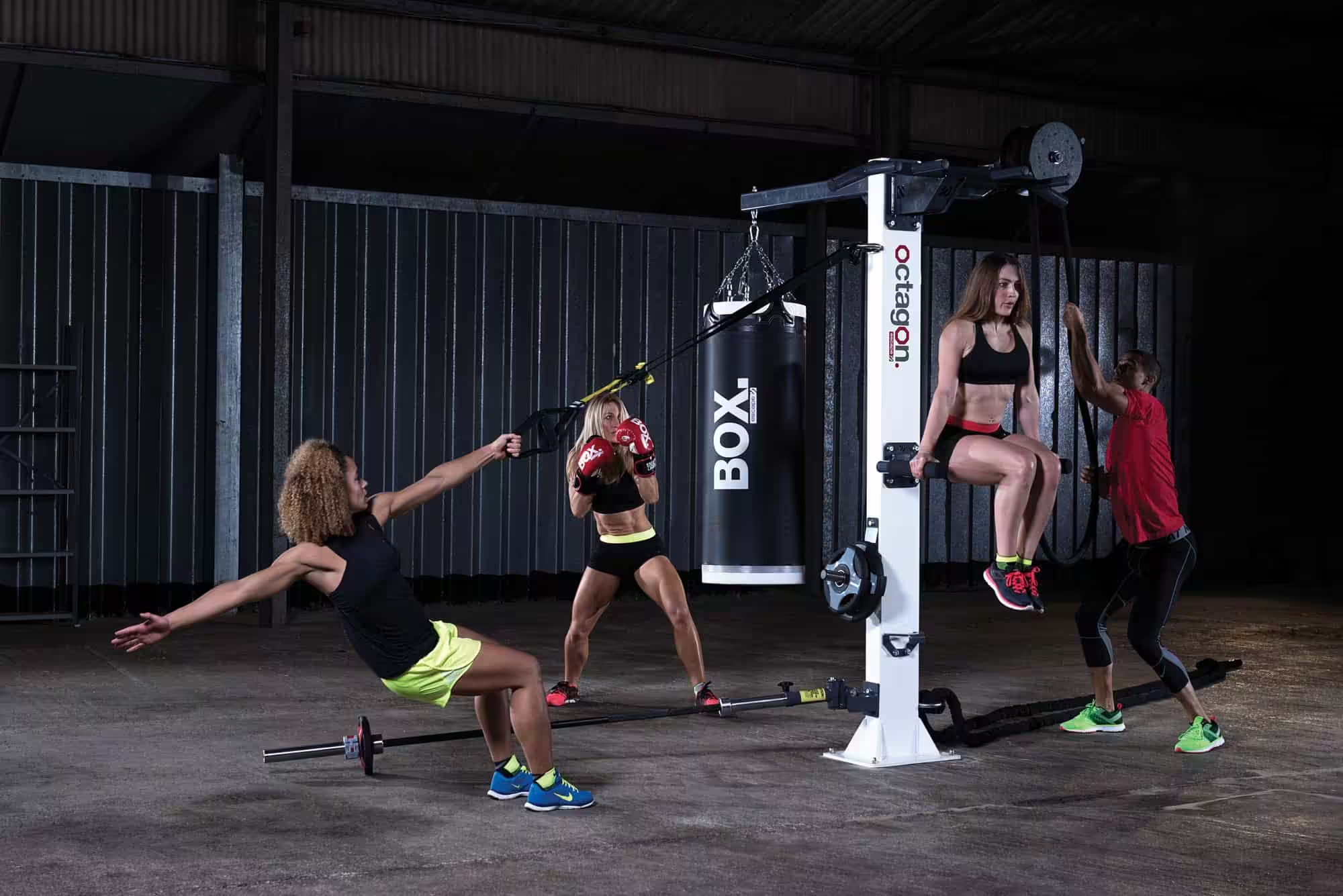
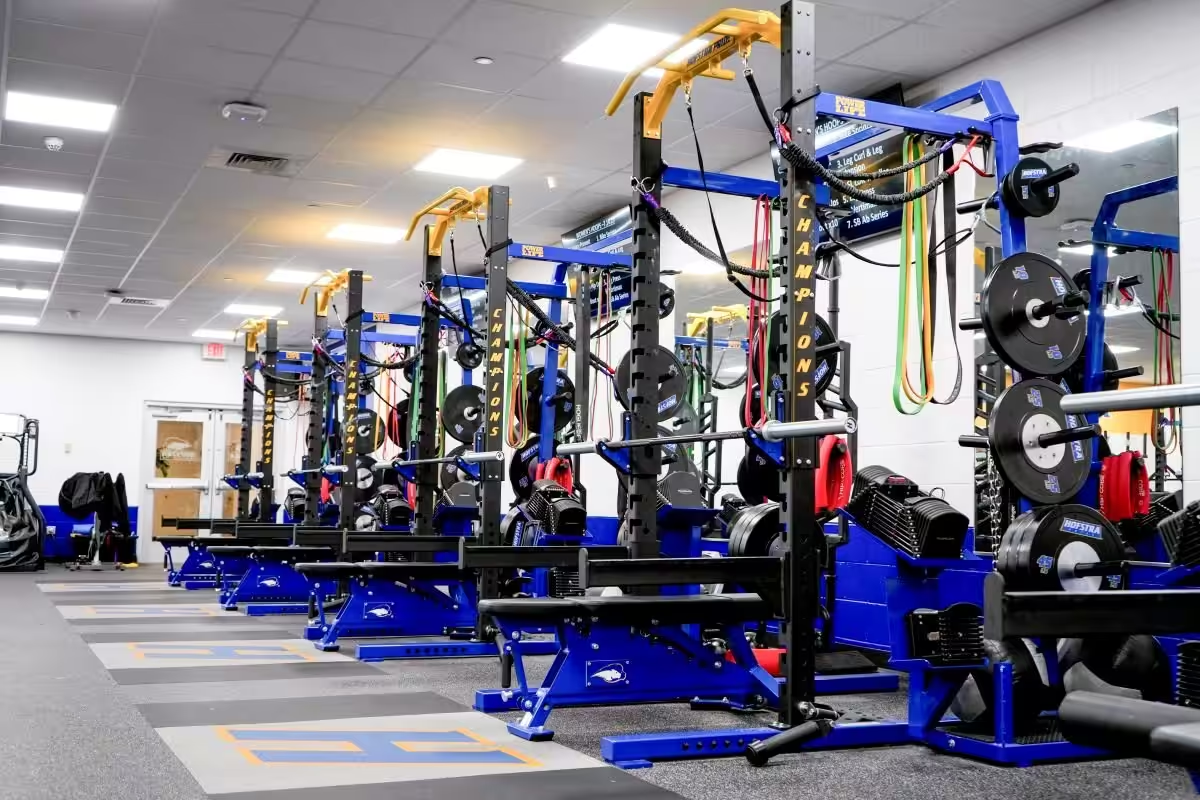
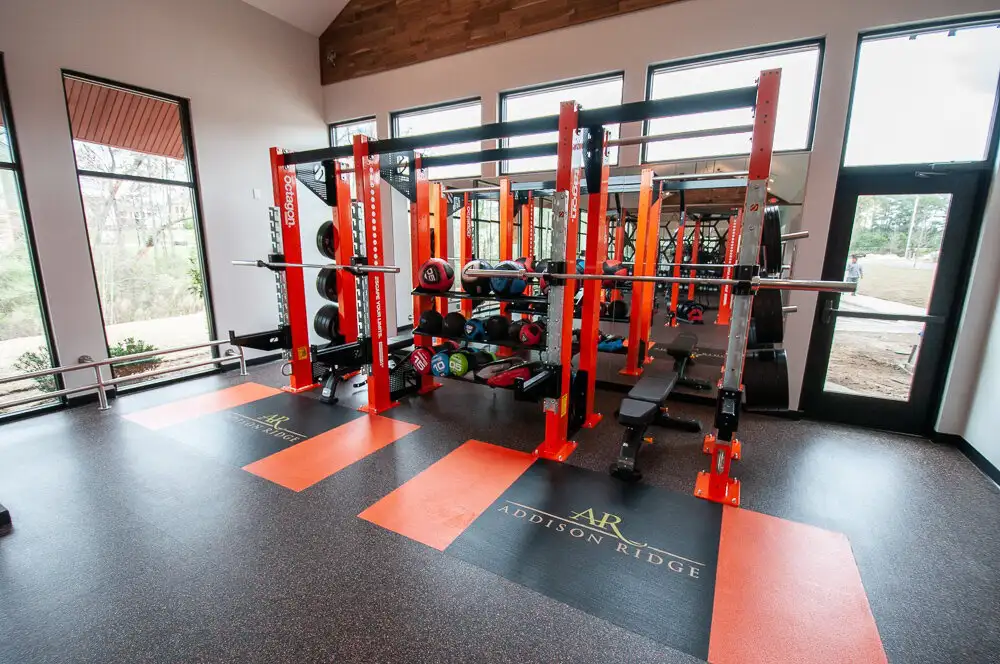
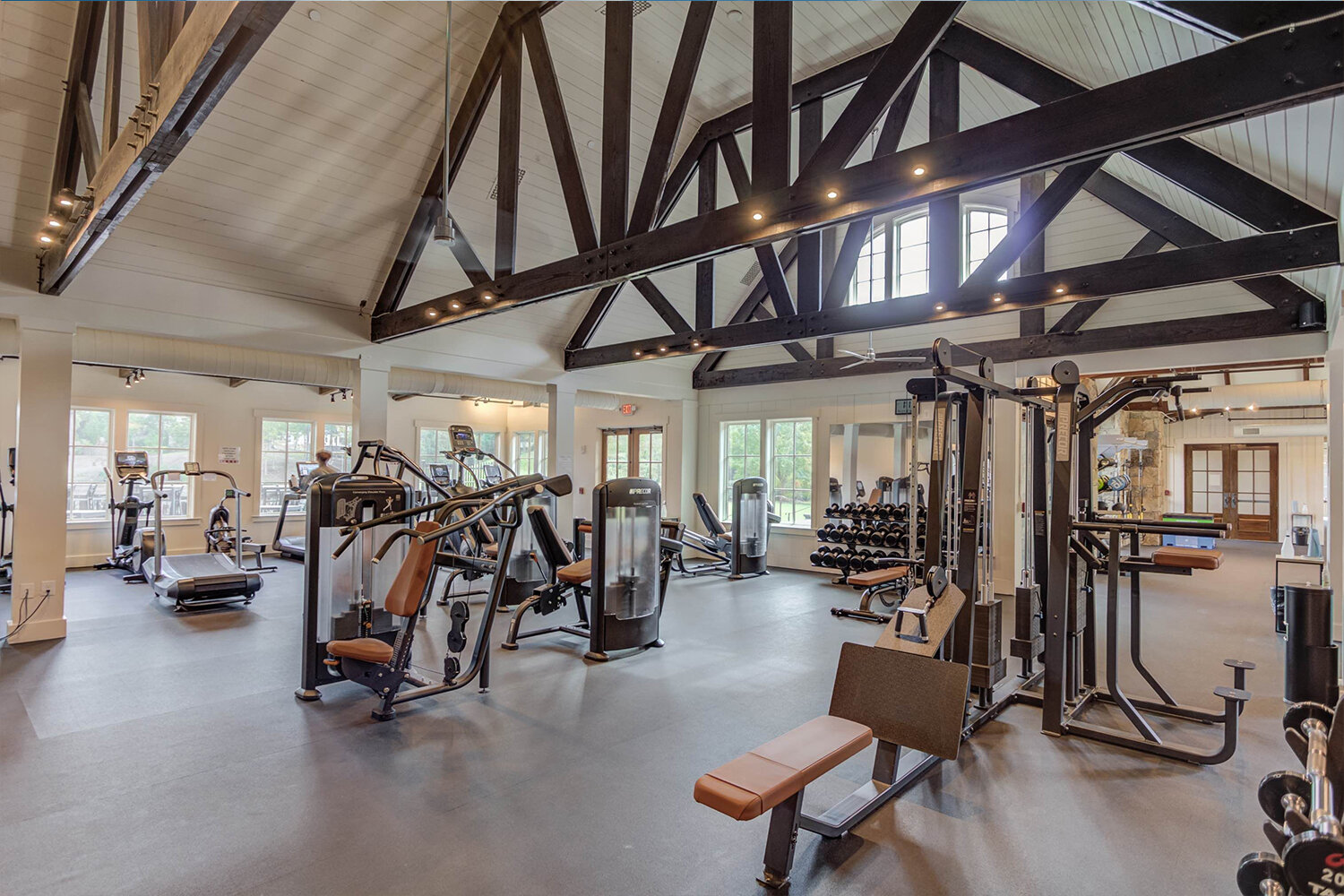
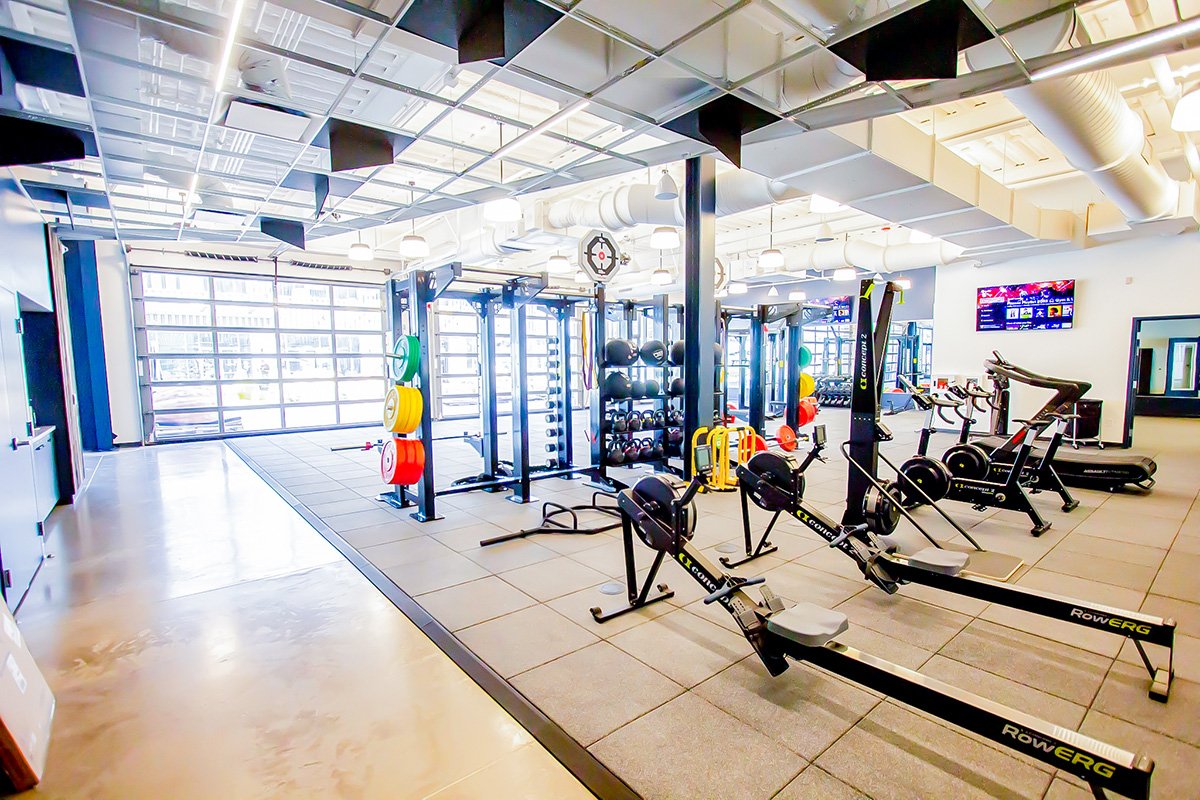
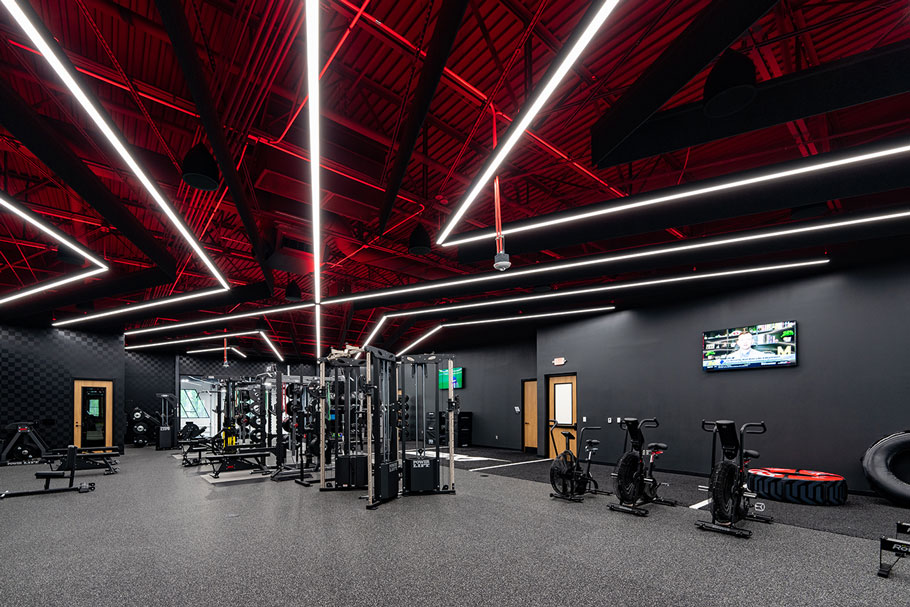
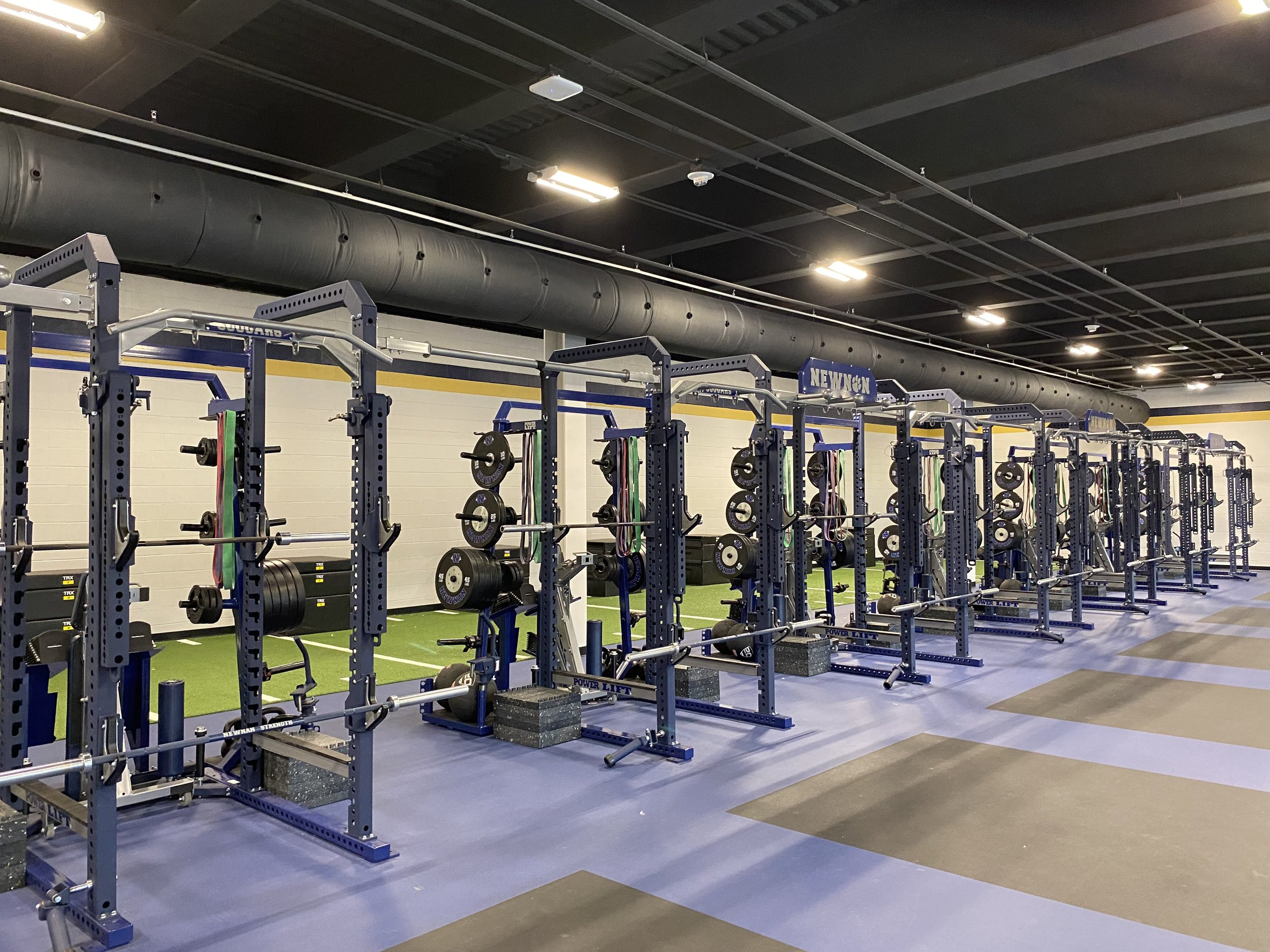
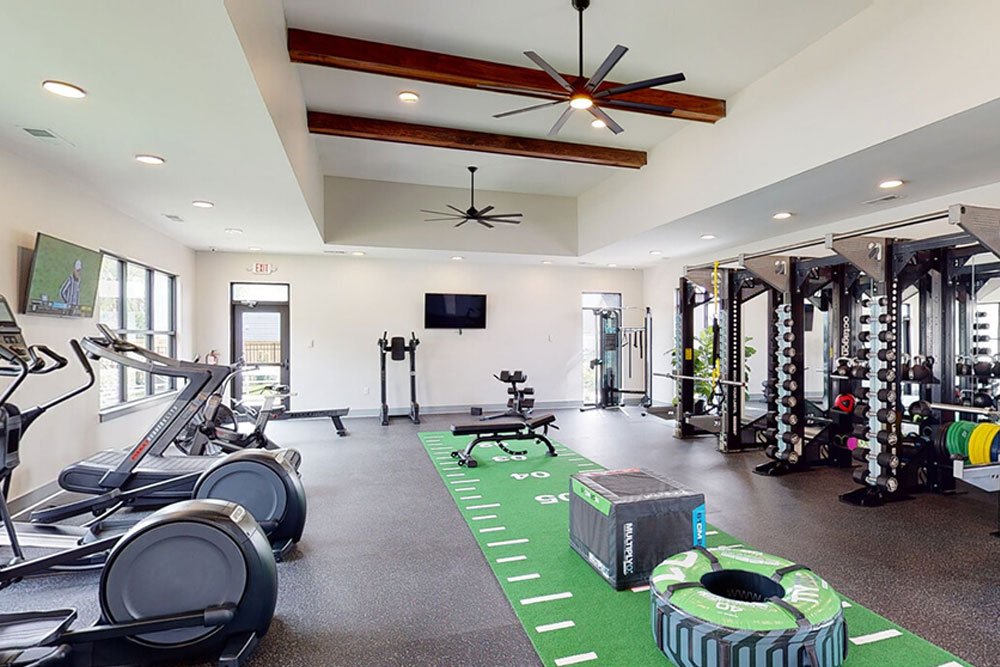
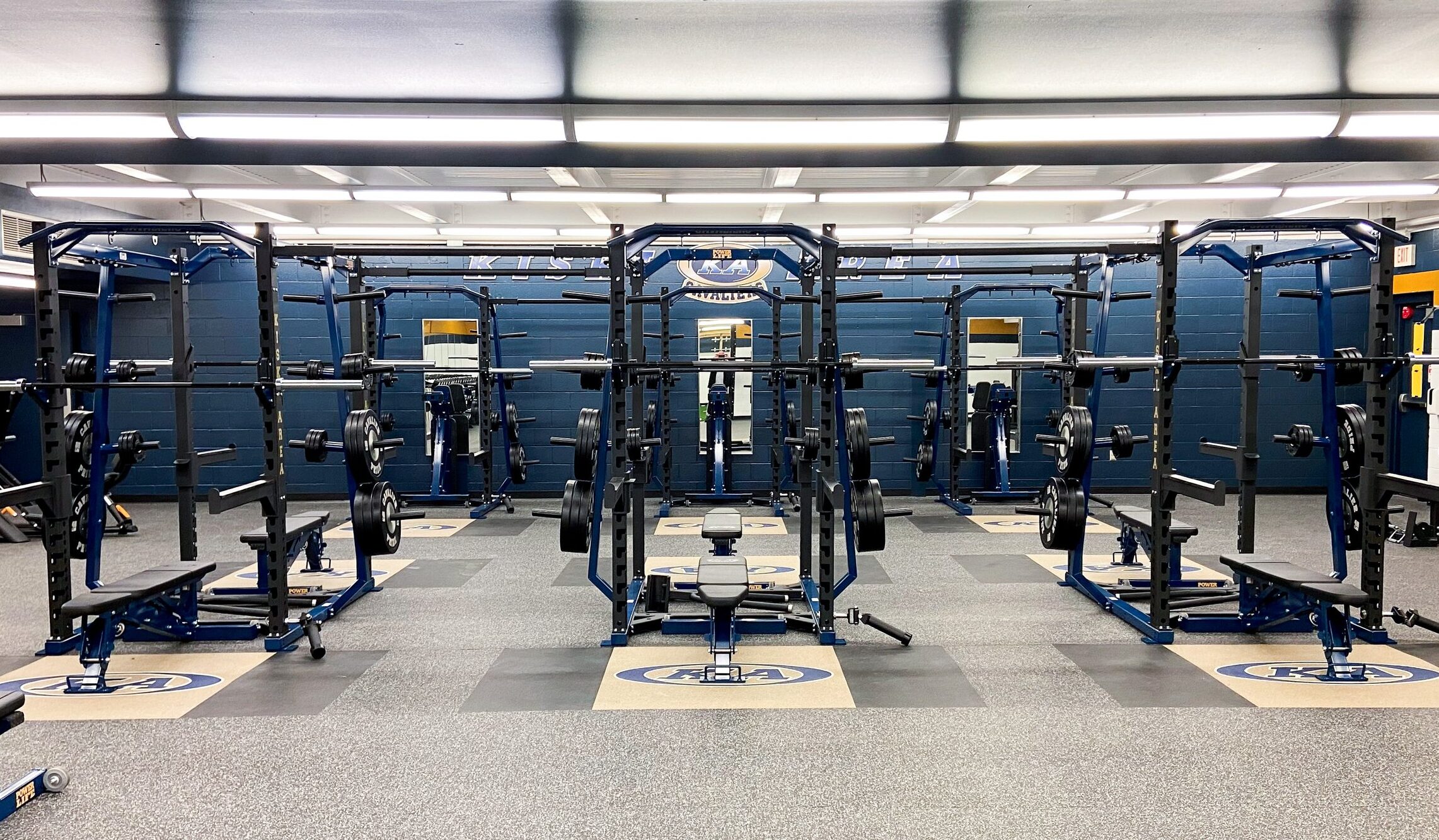
You may not need to overhaul your entire facility, but you do need a space that caters to strength athletes. Allocate ample room for power racks, squat stations, deadlift platforms, and functional training rigs. Ensure flooring can withstand heavy loads and provide traction and shock absorption.

2. Invest in Quality Equipment

Strength training equipment supports members through both variety and functionality. A well-equipped gym should include:

  • Olympic barbells and bumper plates
  • Adjustable benches and power racks
  • Dumbbells ranging from light to heavy
  • Kettlebells in multiple sizes
  • Cable machines and resistance bands
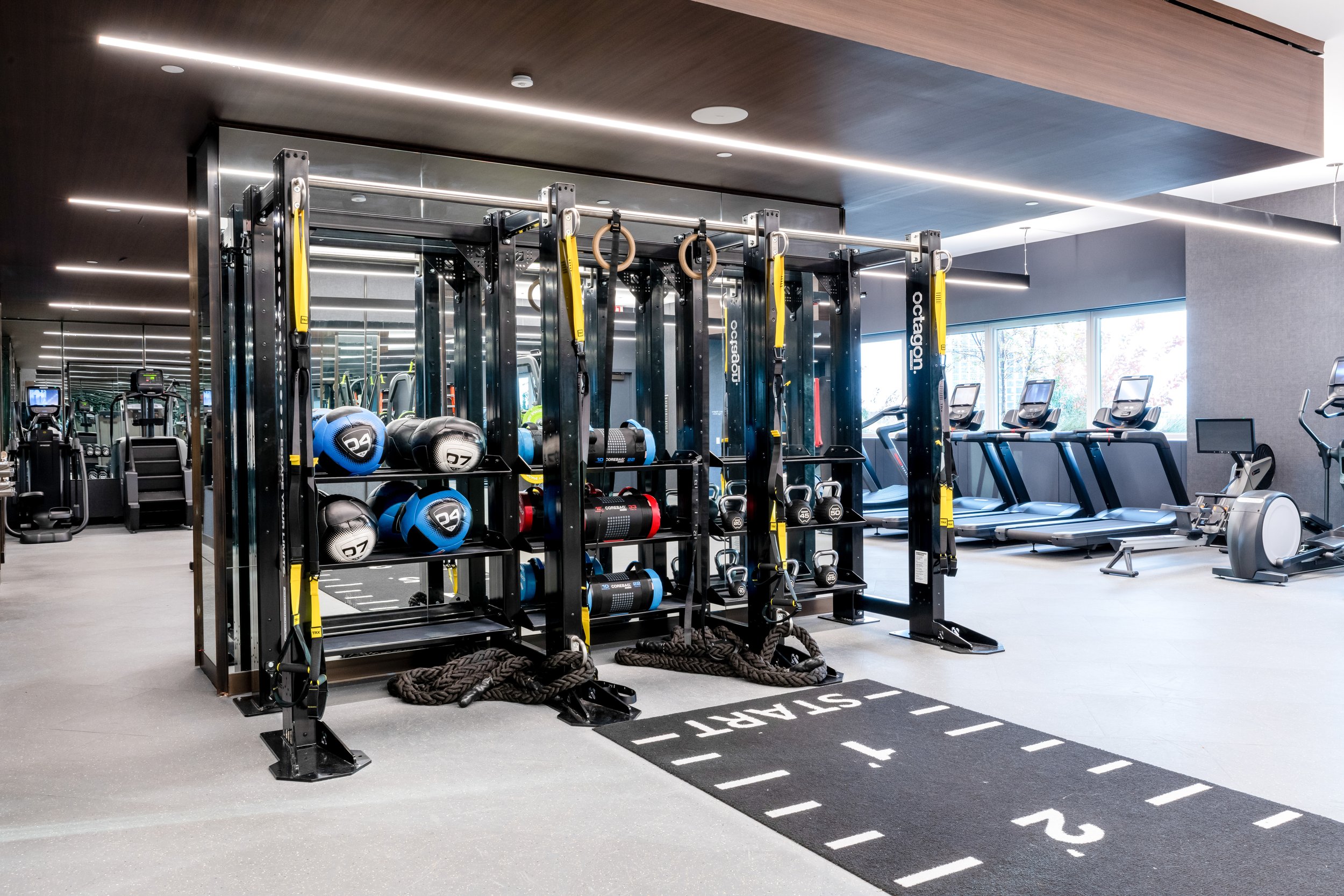
  • Accessory equipment (sleds, medicine balls, sandbags)

This equipment serves lifters at all levels, from beginners focusing on form to advanced members chasing new PRs. For longevity, look for high-quality and trusted strength training brands like Precor, Power Lift, Glutebuilder and Escape Fitness

3. Offer Strength-Specific Programs

Naturally, many strength trainers will want to work independently; however, you can also support uptake with a variety of classes and programs, including:

  • Intro to Lifting
  • Women & Weights
  • Powerlifting Foundations
  • Functional Strength Circuits
  • Strength for Seniors

These classes help bridge the gap for those new to lifting and support progression for intermediate and advanced athletes.

Make It Inclusive for Everyone

The stereotype of a male-focused weight room or weightlifting area is outdated—and it’s bad for business. Your goal should be to make strength training welcoming for everyone. Here are some ideas to get you started:

  • Women: Run beginner-friendly women’s lifting classes and promote them without condescension.
  • Older Adults: Strength is a cornerstone of longevity. Programs like SilverSneakers can help you provide a safe space to lift.
  • Teens and Youth Athletes: Offer supervised lifting times or youth training programs to help instill healthy habits early.

Inclusivity isn’t just a best practice, it’s a proven strategy to boost retention and referrals.
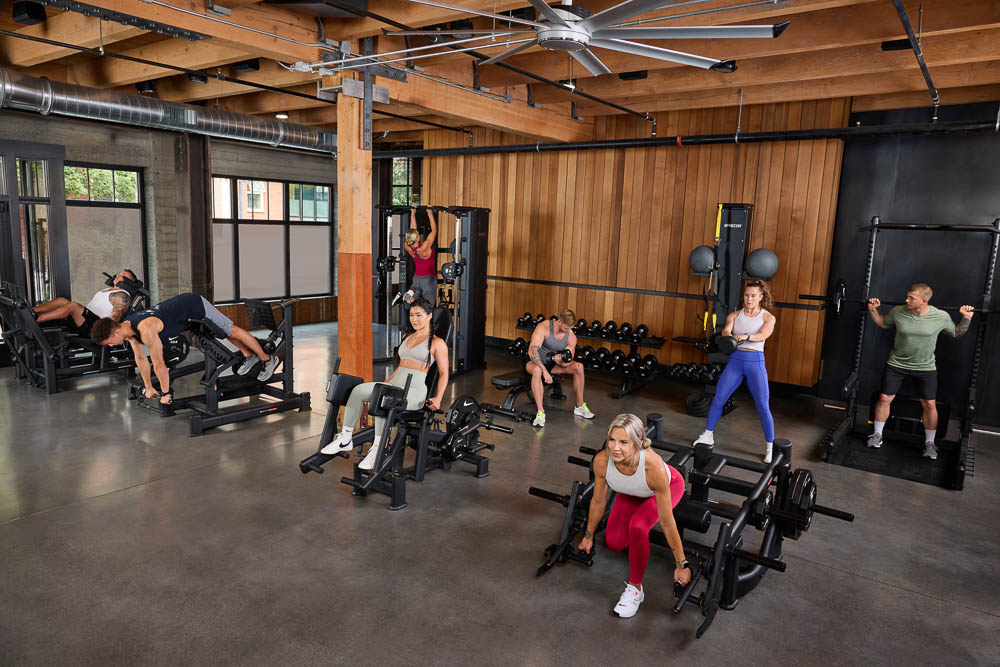
busy modern gym

Future-Proofing Your Gym

Strength training is not a passing trend—it’s a shift in how we define fitness and health. According to major industry trend reports, the demand for functional fitness and lifting will only increase through 2030. By committing now, you’re positioning your fitness space as a leader, not just a follower.

Whether you develop multifamily fitness amenities or run a university recreation center, implementing these strategies will not only meet the current demand but also build long-term loyalty and brand authority.

Gym Design and Installation Services From ASF

The rise of strength training is a golden opportunity for gyms ready to embrace it, and ASF is here to help. We offer end-to-end support services to transform your fitness space into a strength training haven. From facility design to equipment branding, installation, and ongoing maintenance, our professionals are the go-to experts. We invite you to contact us to learn more and get started today!
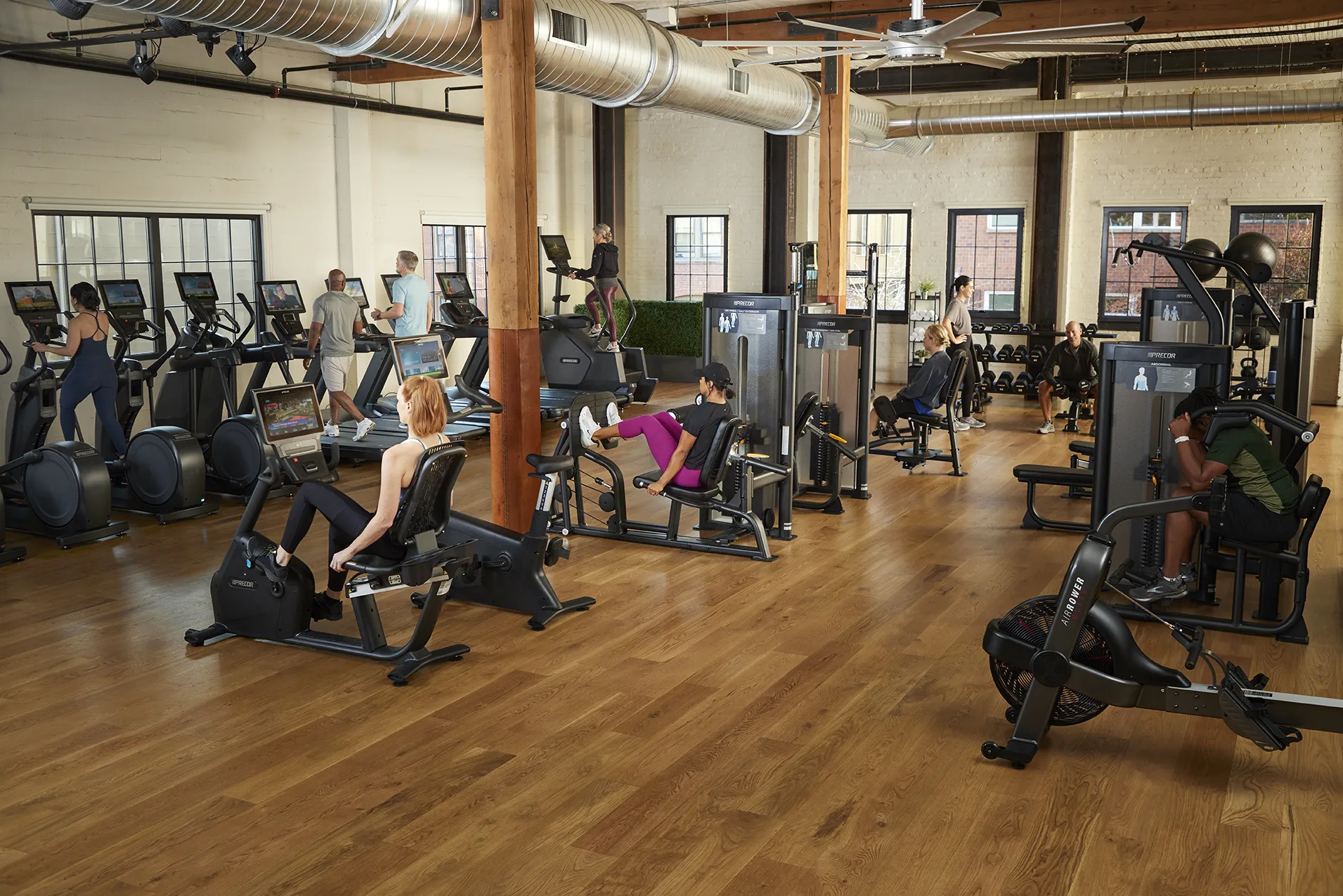

Ready to start your next project? Reach out to the Advantage team today.

Our services

We are ready to support your facility in every phase.

Partner Brands

Explore our collection of partner brands.

All Partner Brands
Case Studies

Examples of our work.

All Case Studies