Building A Stronger Foundation
In 2022, Advantage interviewed Russel Vidler, a New York State Fire Inspector and Lead Physical Training Instructor for the NYS Fire Academy Recruit Firefighter Program.
During this eye-opening interview, Vidler emphasized how fitness is transforming firefighter performance—boosting cardiovascular health, endurance, sleep, strength, and confidence on and off the job.
“We’re trying to expand the fire department mindset through healthier habits.” – Russel Vidler, New York State Fire Inspector & Lead Physical Training Instructor for the NYS Fire Academy Recruit Firefighter Program

His perspective on the connection between training, equipment, and readiness still holds true today and extends far beyond firehouses. From police precincts to military installations, all public agencies are prioritizing fitness as a means to protect their teams, be their best on the job, and strengthen their communities.
What Statistics Say
- As of 2024, overexertion or strain injuries continue to represent the leading cause of firefighter deaths with 40 fatal injuries (65 percent) in 2024. – National Fire Protection Agency (NFPA)
- “Officers who engaged in regular fitness training were less likely to suffer OSHA‑reportable or severe injuries.” – IACP, Reducing Officer Injuries Final Report.
The Right Tools
Agency units prioritize similar training styles across the board. The focus is on improving power, strength, agility, and speed—while also supporting cardiovascular health, which remains the leading cause of on‑duty fatalities among public‑safety personnel. Functional movement and practice routines also remain crucial for field readiness.
“In a functional fitness program, it’s all about taking the movements that you use on the job and then getting the equipment to incorporate those movements into your program.” – Russel Vidler, New York State Fire Inspector & Lead Physical Training Instructor for the NYS Fire Academy Recruit Firefighter Program

To support these goals, agency training spaces seek out equipment in a few key areas.
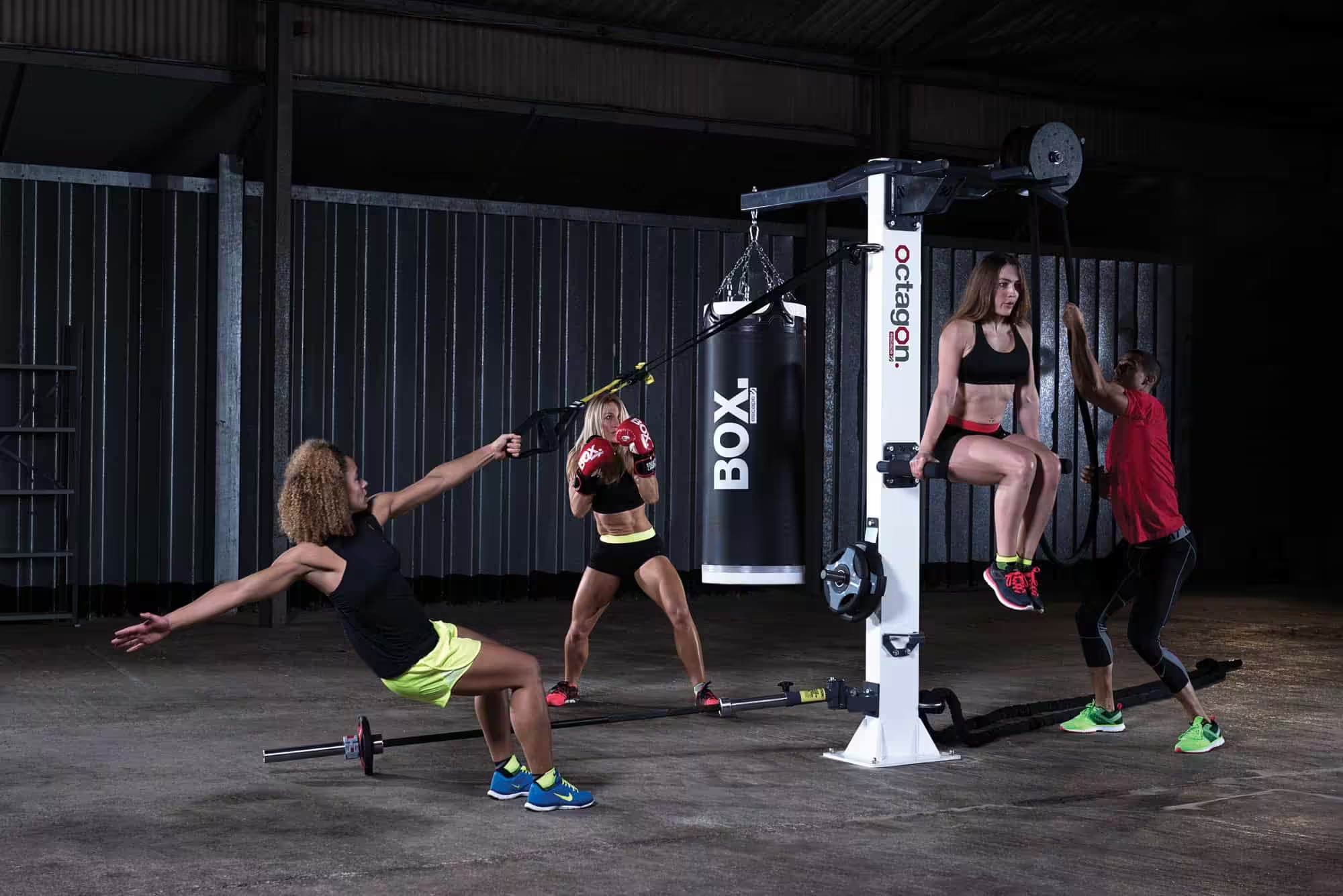
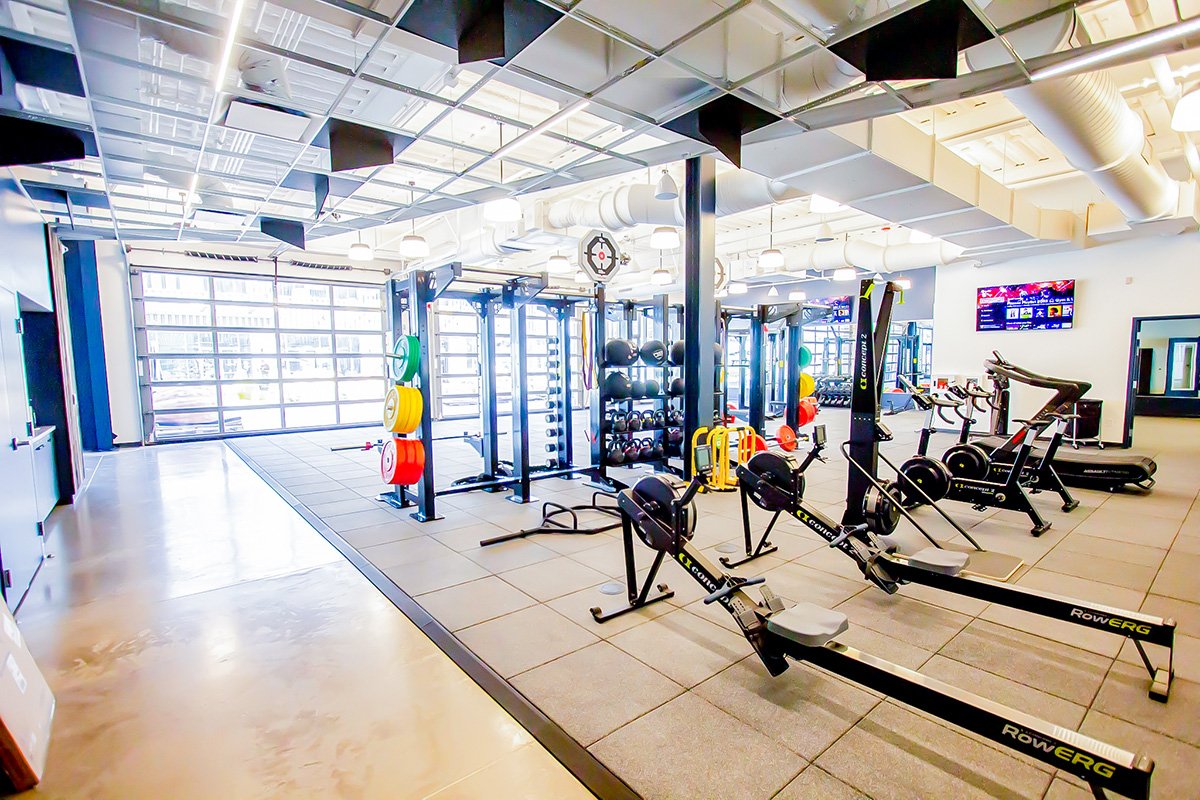
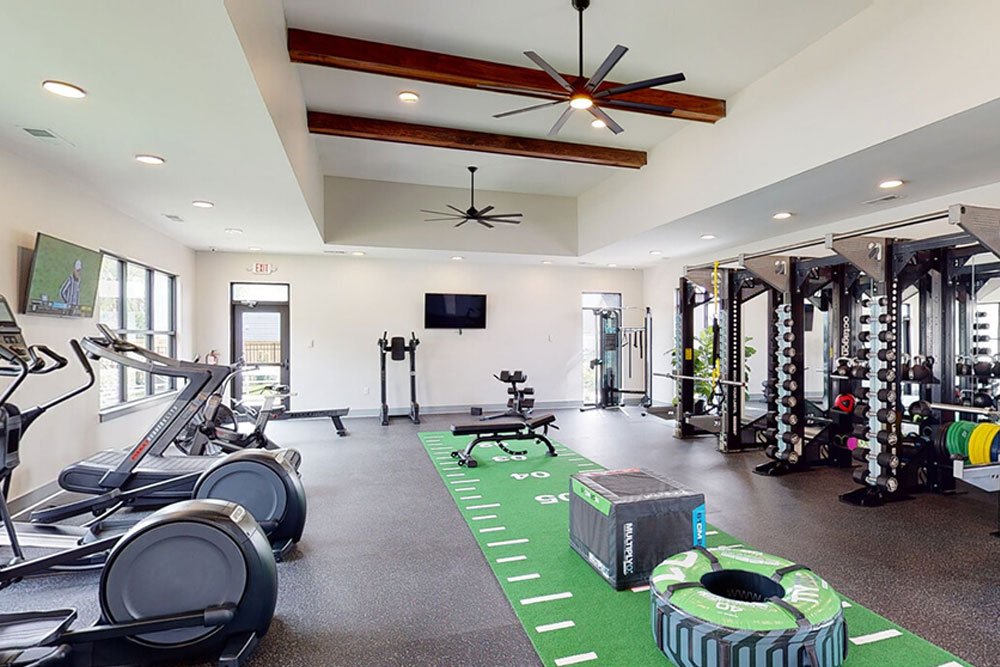
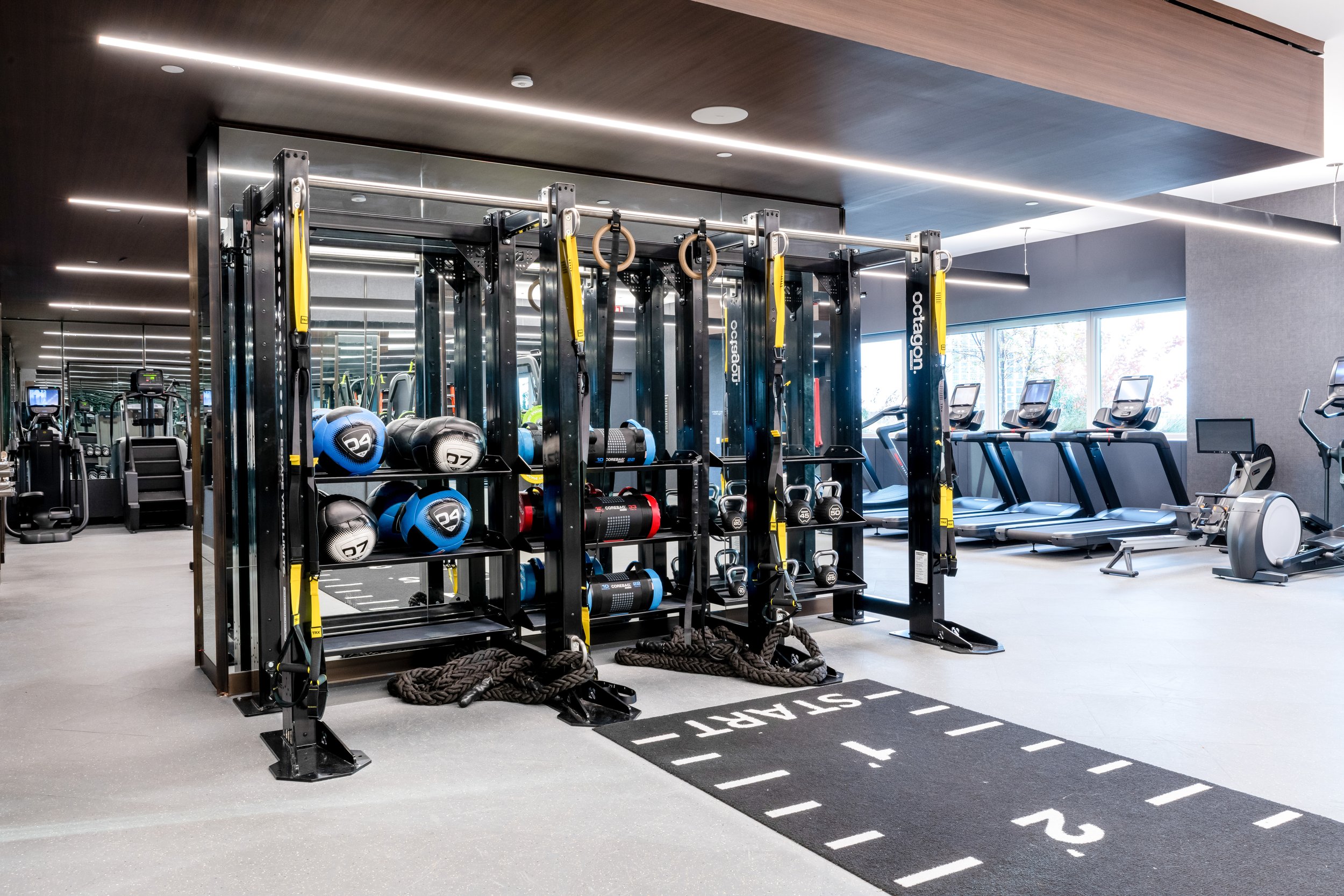
- Functional Training Tools: Functional frames, sleds, accessories (corebags, bulgarian bags, kettlebells) – simulating real-world tasks and movement.
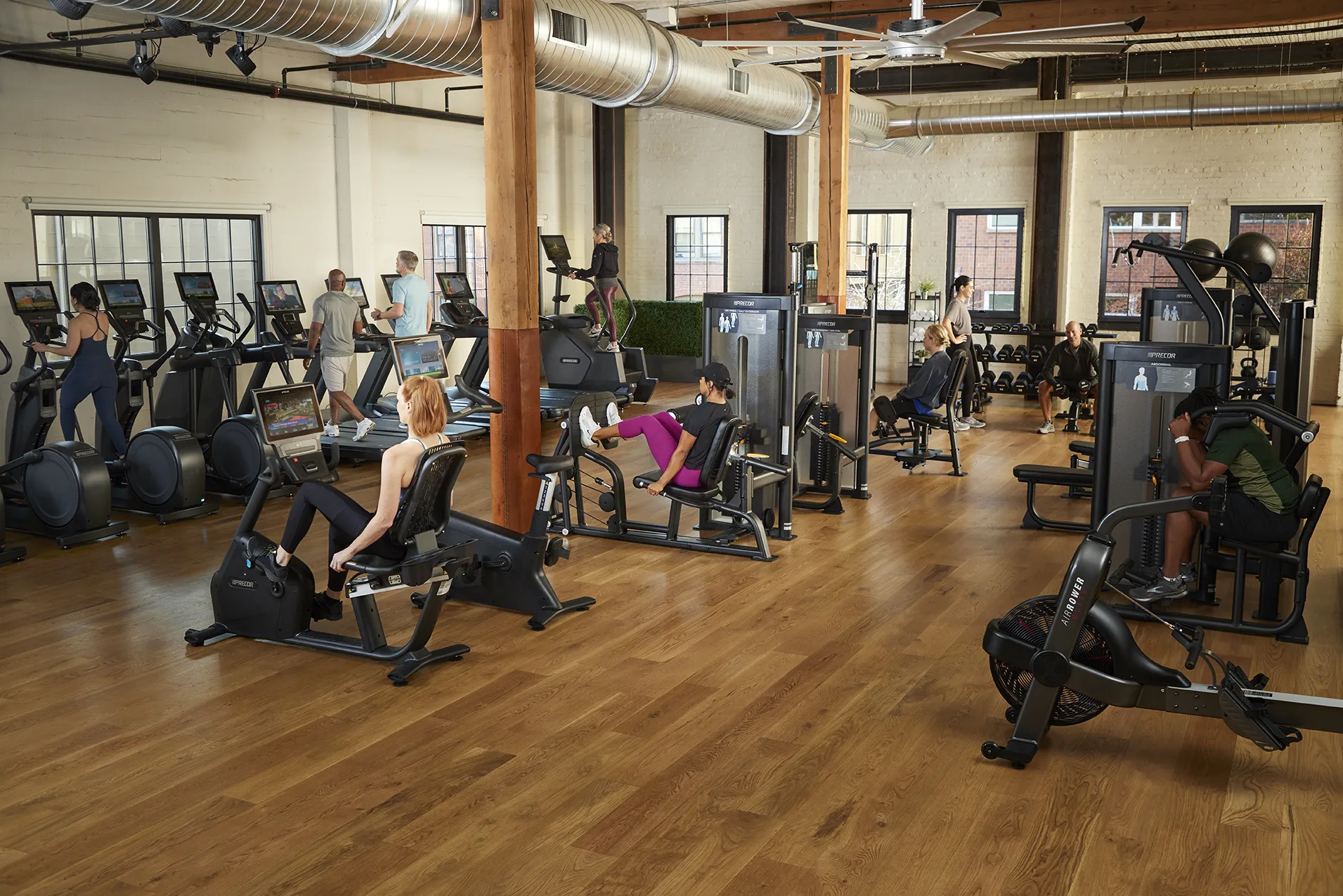
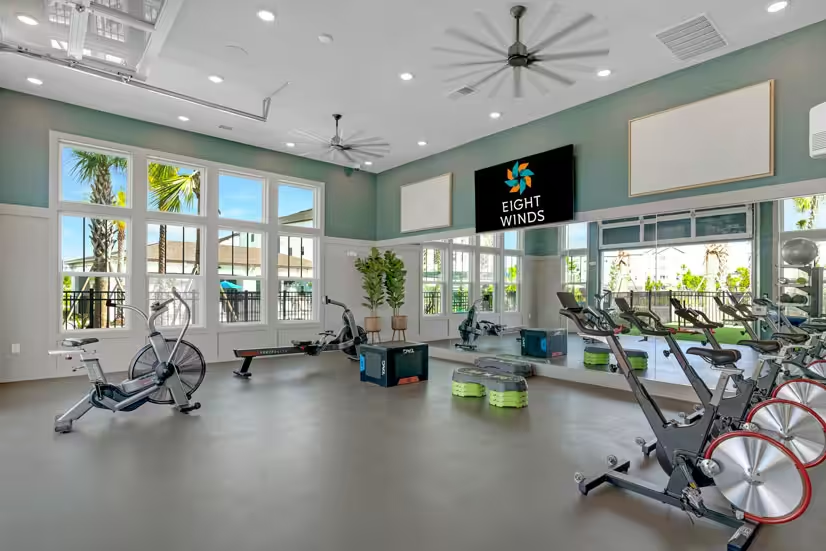
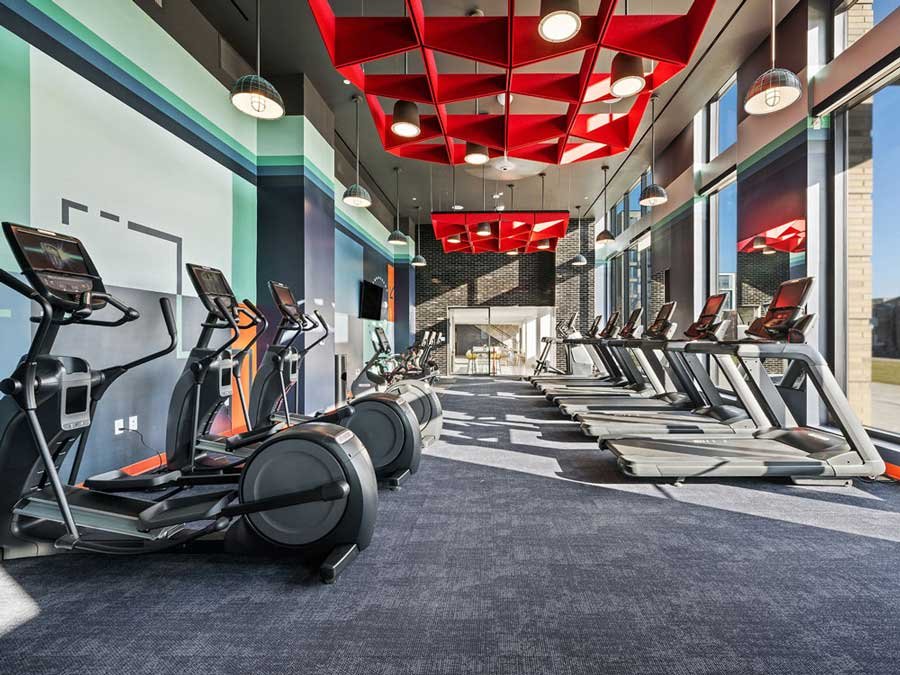
- Cardio: Treadmills, bikes, stair climbers, rowers – building endurance and cardiovascular health.
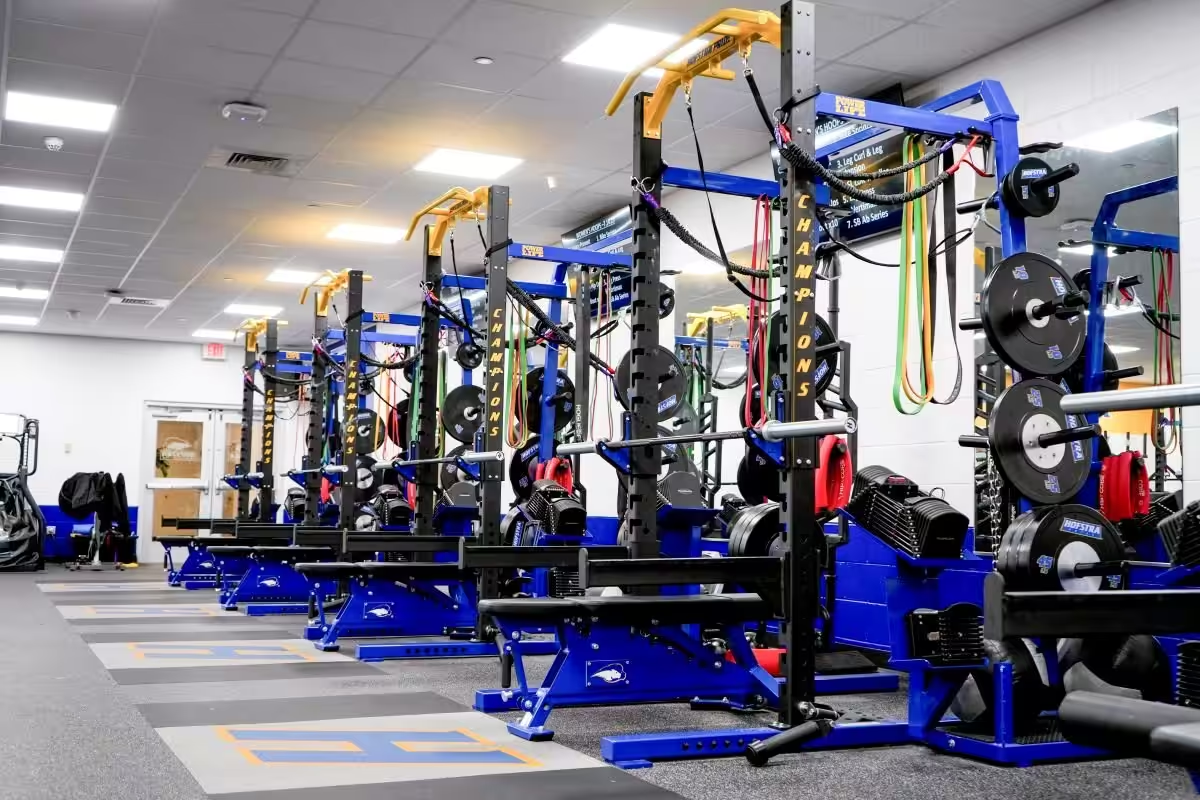
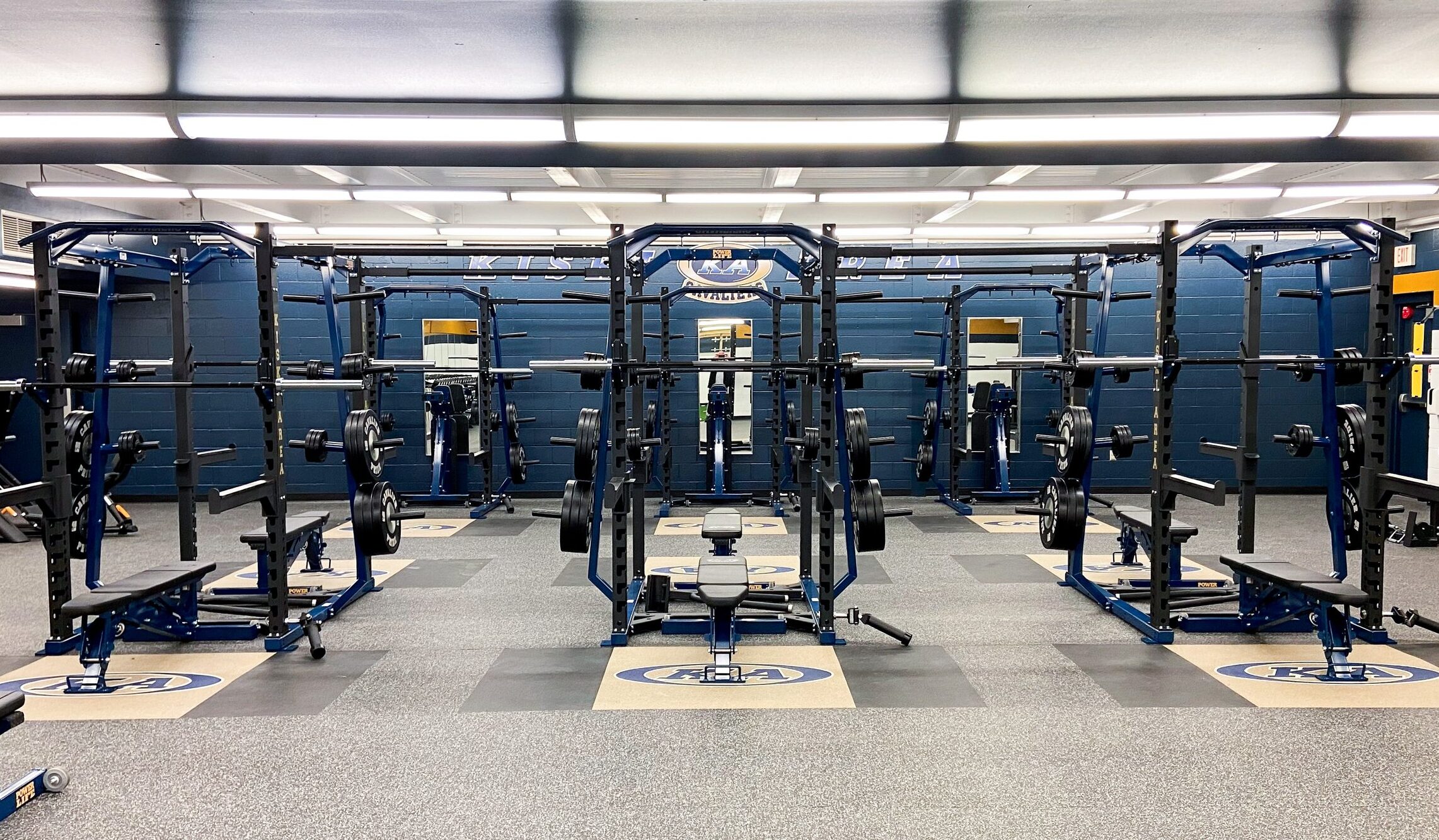
- Strength: Racks, plate-loaded and selectorized machines, dumbbells, – supporting overall conditioning.
Mission Support
Public agencies face many of the same challenges as any organization planning a training facility—tight budgets, limited space, or uncertainty about what mix of equipment will best serve their people.

Every agency’s path is different—whether it’s creatively sourcing funding, finding the right space, or determining the best balance of equipment. Advantage is here to support each unique journey.

Building Readiness Through Response
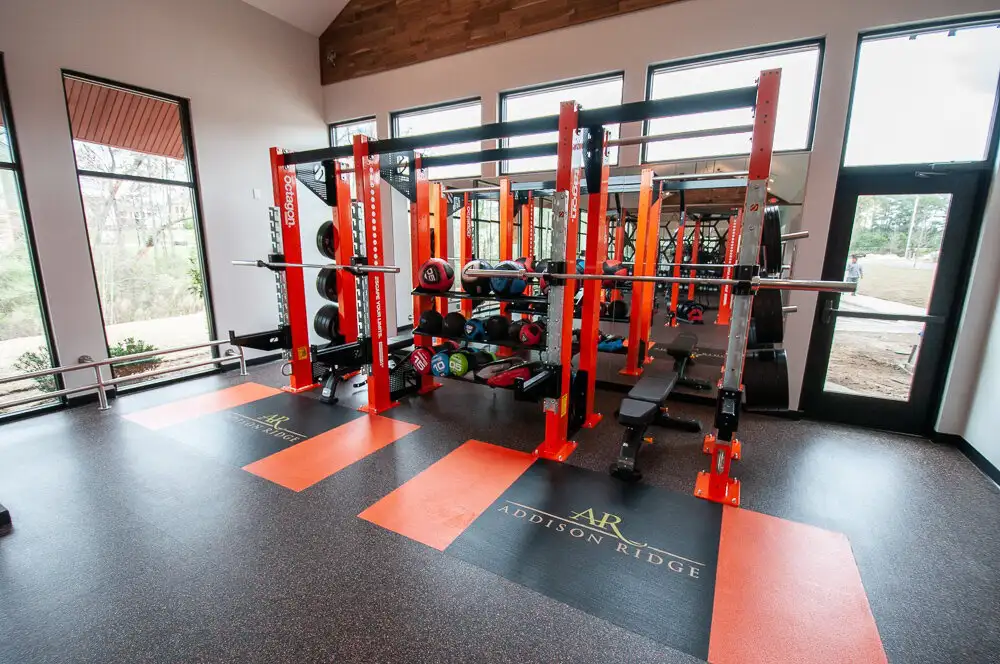
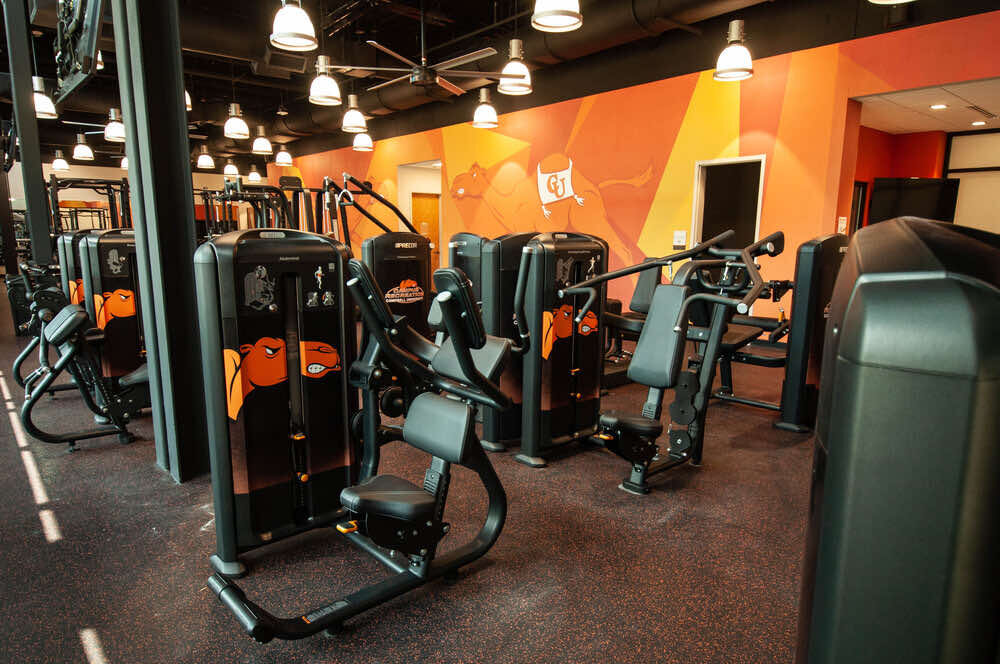
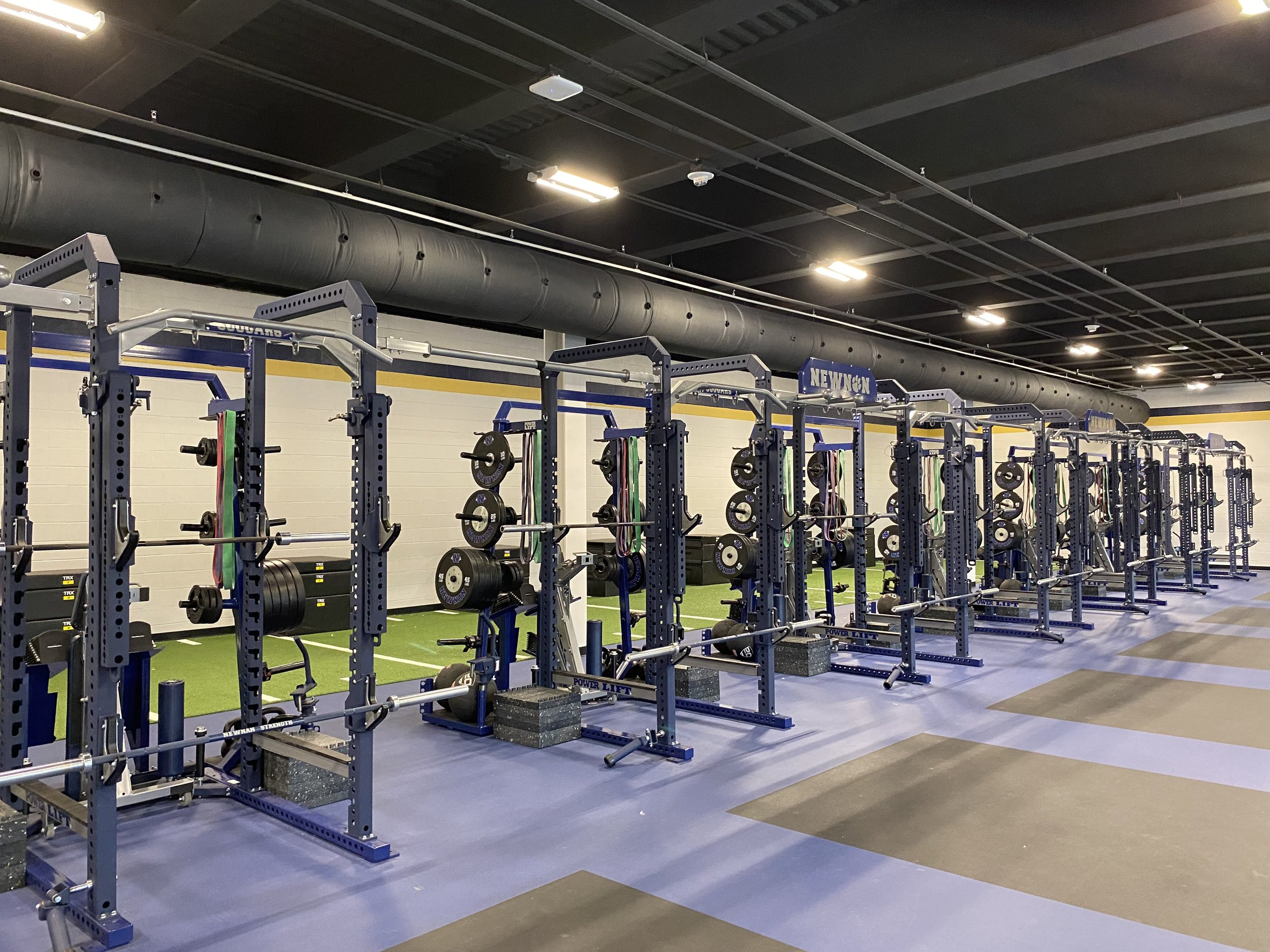
When this Hudson Valley, NY fire department rebuilt and relocated, they made continued training the cornerstone of preparation—a place to build strength, endurance, and resilience, all critical for operational success. The gym was also designed as a hub for firehouse culture. Vibrant colors and a thoughtful layout create a welcoming environment for every firefighter and supporting staff member. With this new firehouse came a new tradition and a fresh start. From the outset, the department made it a priority to bake mission success into the project—carefully budgeting and planning for a training area that would support their goals, their work and in turn, their community.

Unified By Mission
When first responders and service members across fire, police, and military sectors invest in purpose-built training spaces, the impact extends far beyond upgraded equipment—it reshapes culture, readiness, and pride.
In the Hudson Valley, a rebuilt firehouse placed ongoing training at the center of its mission, creating a vibrant, community-focused gym that strengthens both operational performance and firehouse culture.

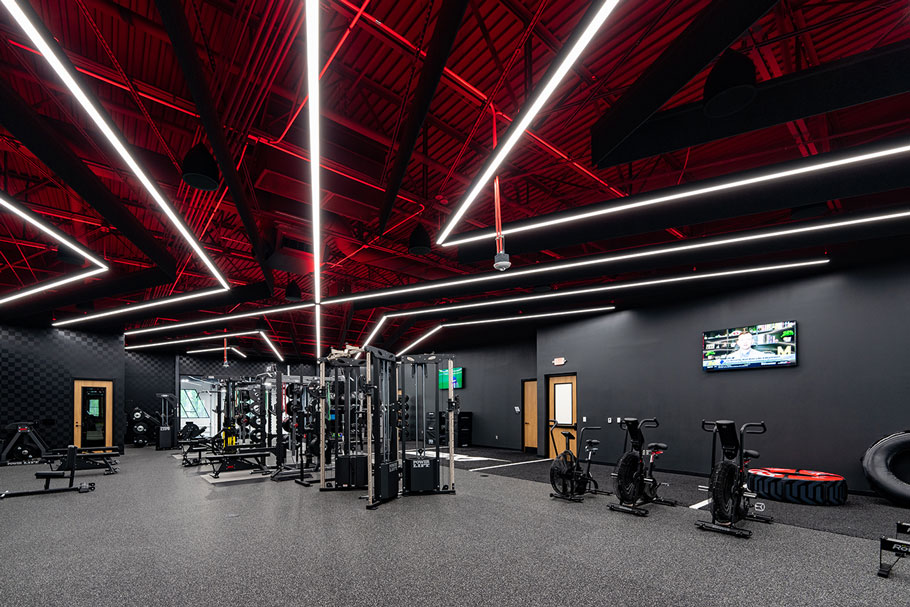
At the Altoona Police Department, leadership recognized the value of conditioning in reducing injuries, improving decision-making, and elevating job performance. With Lt. Vasil championing the initiative, the department transformed unused space into a dedicated training room that now fuels camaraderie, wellness, and a renewed sense of identity.

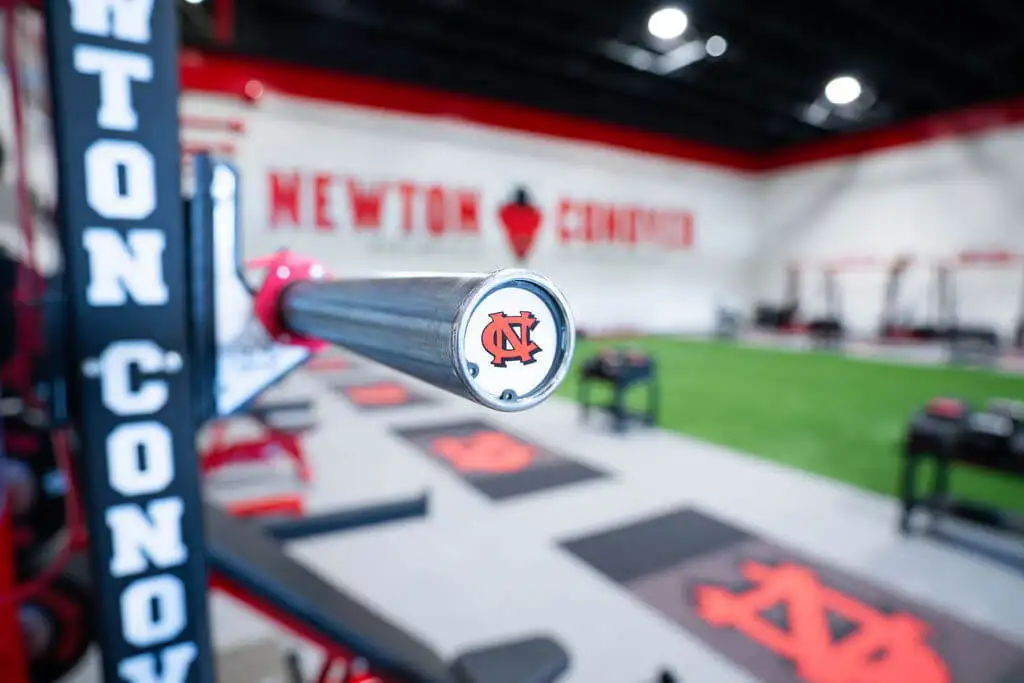
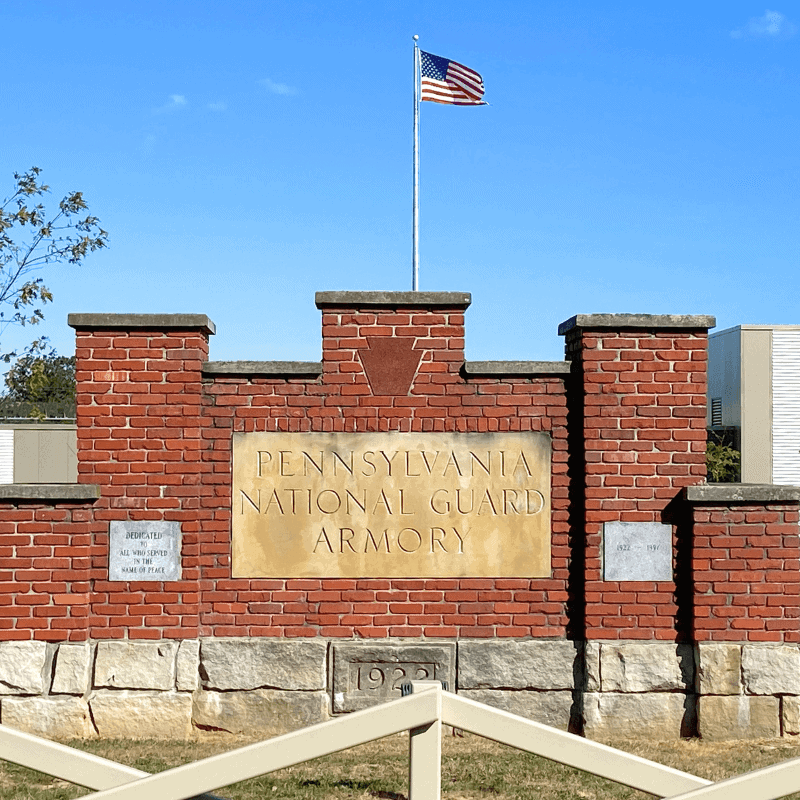
Similarly, for a National Guard unit supported by full-time guards and rotating soldiers, SFC Kramer spearheaded efforts to secure funding and design a facility that meets rigorous physical standards and fosters long-term development. Across each department, thoughtful customizations—from branded equipment to intentional layouts—build unity, boost morale, and reinforce the shared mission: keeping their teams strong, capable, and ready to serve their communities.