If you’ve spent any time exploring fitness equipment, you’ve probably seen the phrase “commercial-grade” attached to just about everything. It gets thrown around in product listings, sales pitches, and manufacturer brochures so freely that it can start to lose its meaning.
So what defines truly commercial-grade equipment? And how do you know whether the equipment you’re buying qualifies? Let’s take a closer look.
Key Takeaways
- “Commercial-grade” is not a regulated or certified designation. It is an industry term, and manufacturers often apply it loosely.
- True commercial equipment is engineered for sustained, multi-user daily use, not just occasional or household-level activity.
- Key indicators of commercial quality include duty cycle ratings, frame construction, component sourcing, and warranty coverage.
- Other considerations include safety, liability, and ease of use for all exercisers.
- Total cost of ownership (not purchase price) is the right financial lens for evaluating commercial gym equipment.
What Does “Commercial-Grade” Actually Mean?
At the most basic level, commercial-grade equipment is designed to withstand repeated use by many different exercisers throughout a given day instead of casual use by one or two people.
However, there is no official standard or governing body that certifies equipment as “commercial-grade.” Many gyms mistakenly believe that commercial-grade equipment has earned a third-party certification, passed a durability test, or meets a pre-defined industry standard. But, since it can be used at a manufacturer’s discretion, it is essential to look past the label and understand what’s actually underneath it.
The Three Main Gym Equipment Grades
Since it is not held to an official standard, think of the grade label as more of a starting point and less of a finish line. With that in mind, most fitness equipment falls into one of three classifications:
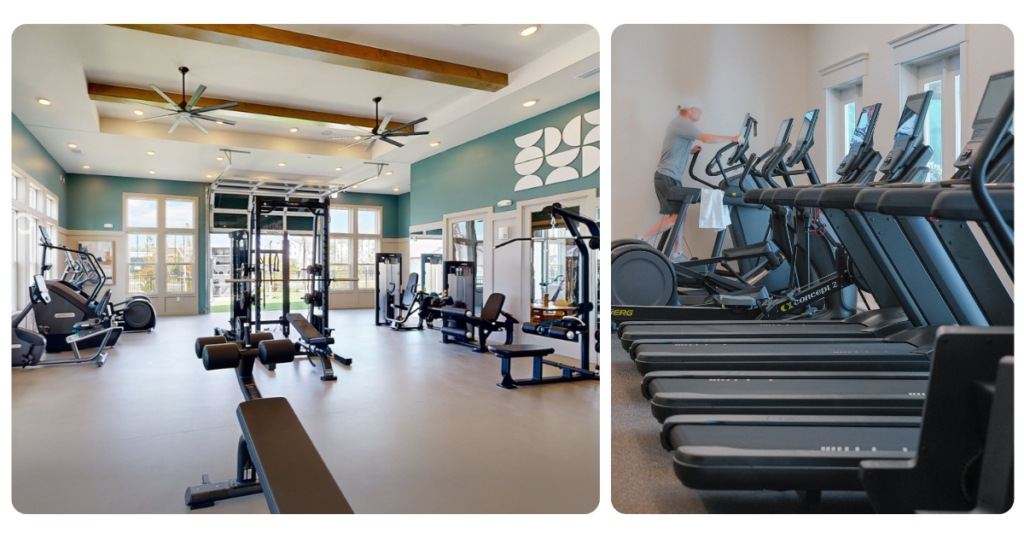
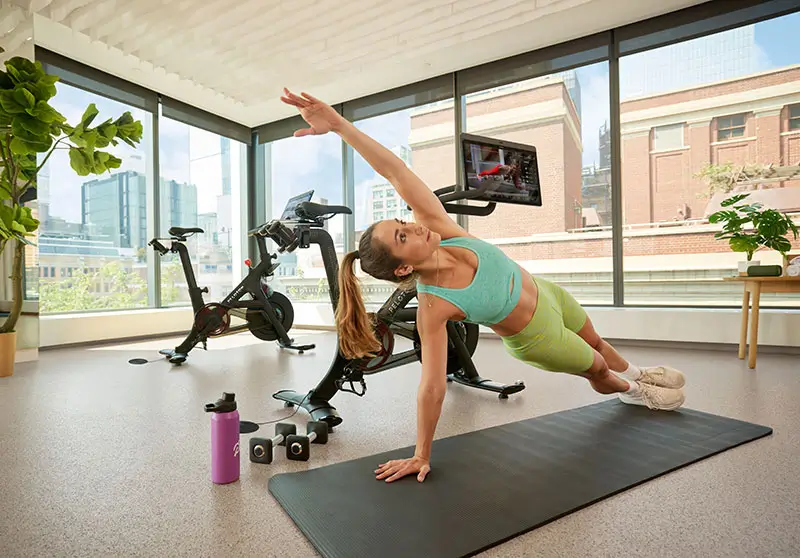
- Consumer/Home-Use: Consumer equipment is designed for light, infrequent use (typically for one to three people, a few sessions per week). Frames are lighter, motors are smaller, and weight capacities are lower. Consumer equipment is tailored to the needs, usage patterns, and space constraints of single-family homes.
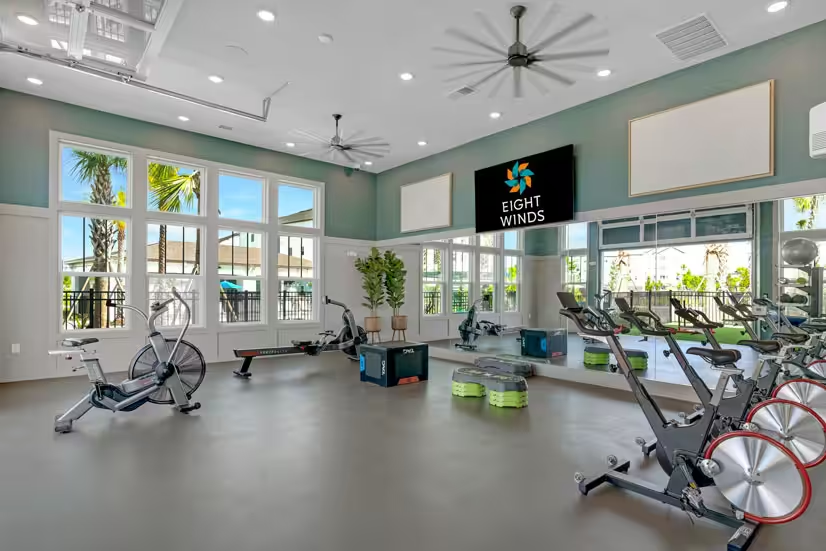
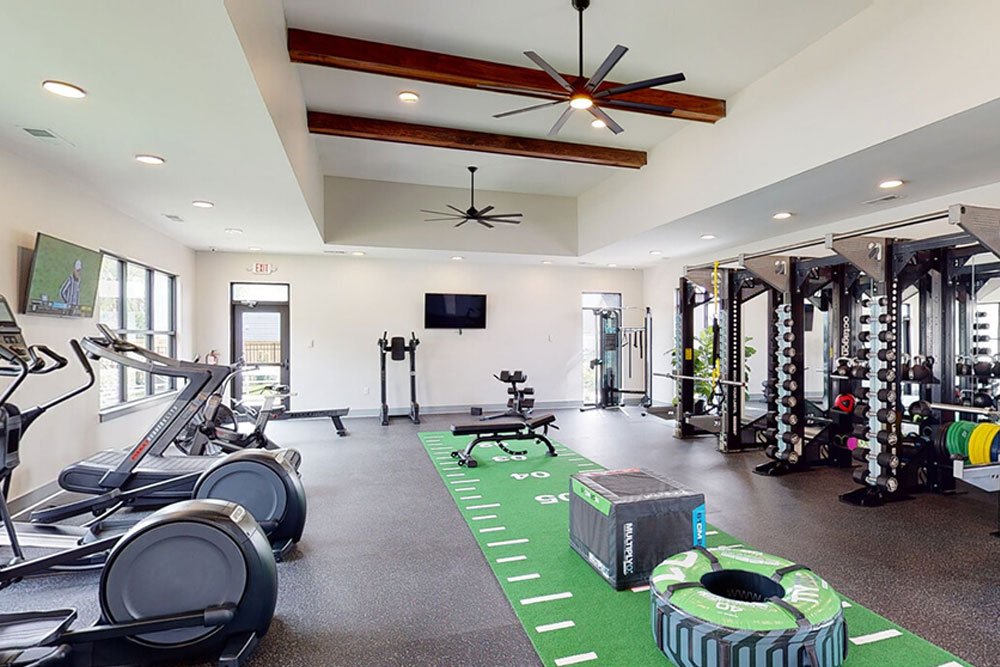
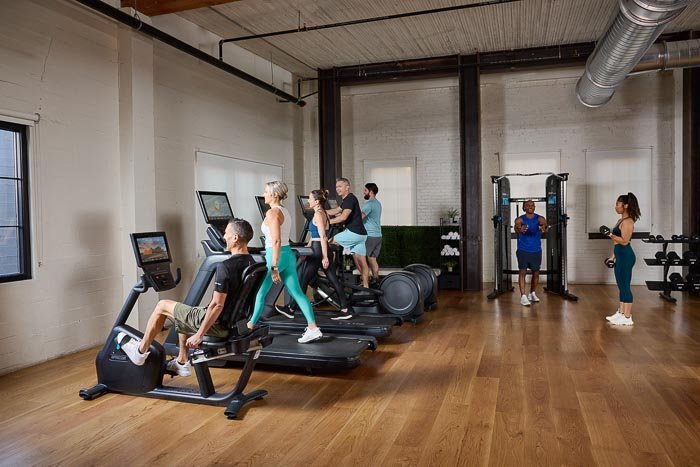
- Light commercial: A step up in durability, intended for lower-traffic commercial environments like small apartment gyms, personal training spaces, or boutique studios with limited daily use. Light commercial equipment has better materials and construction than consumer models, but it is not engineered for the sustained daily load of a high-traffic facility.
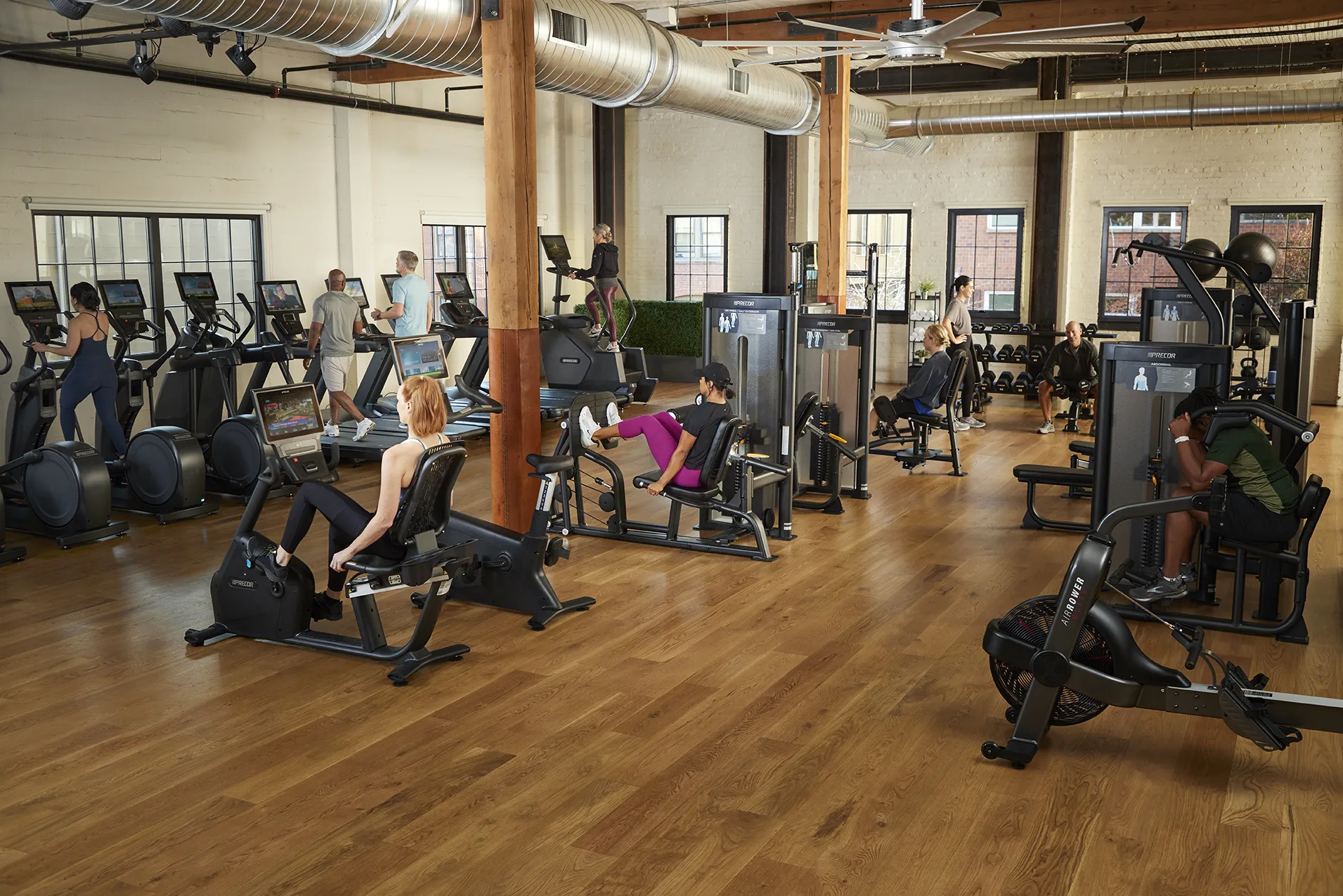
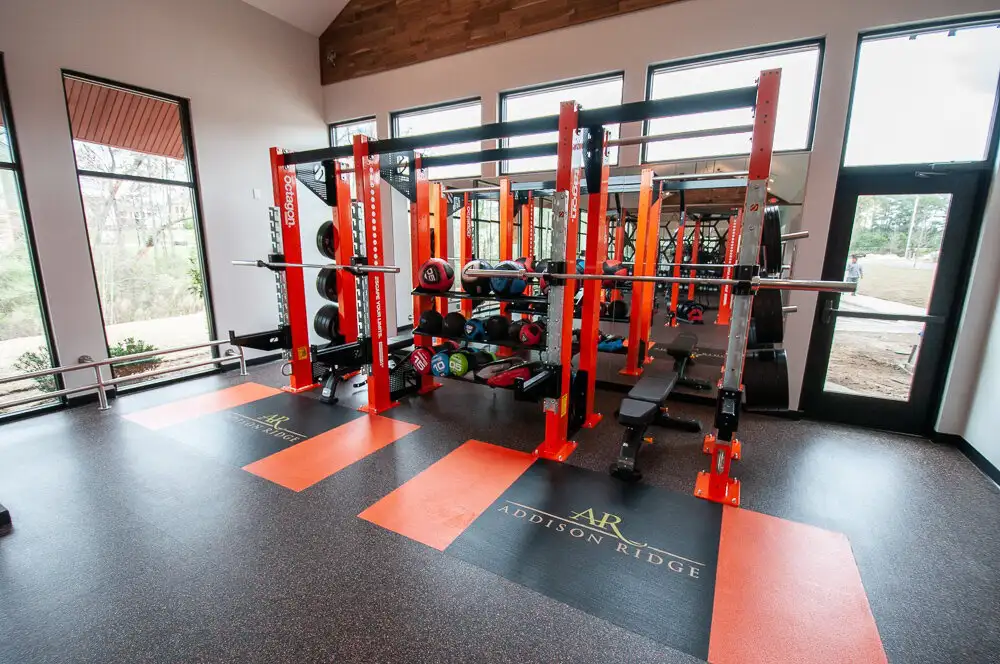
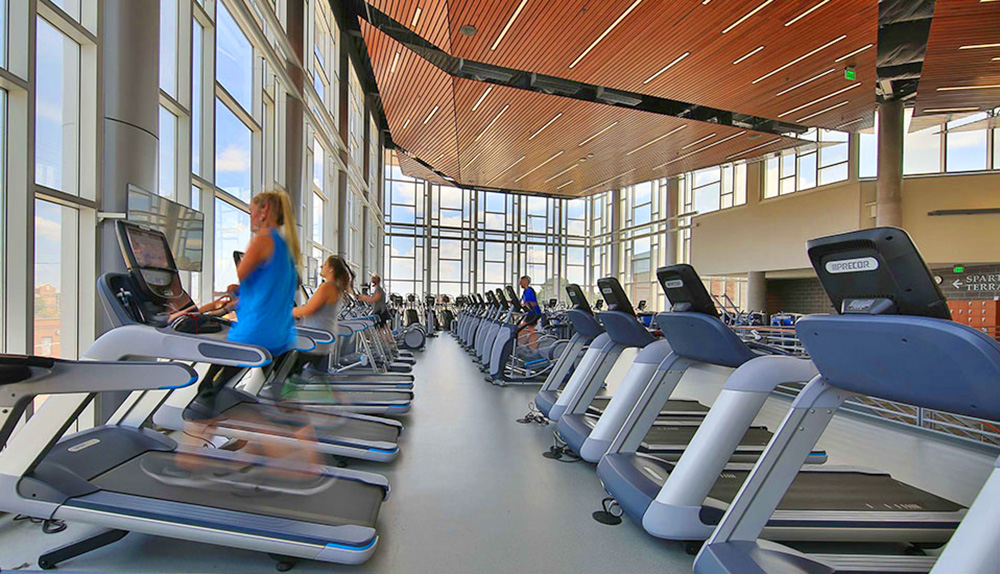
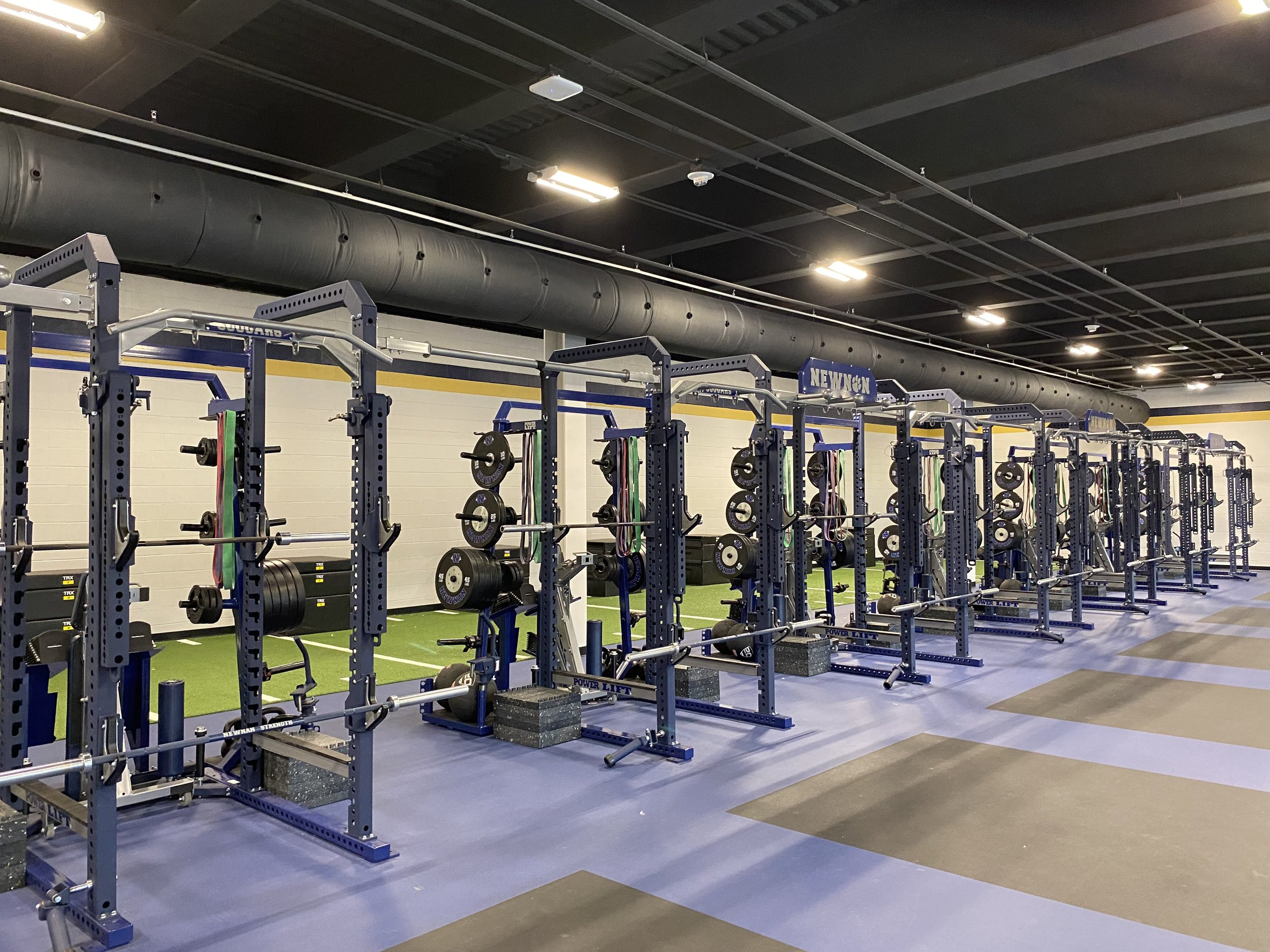
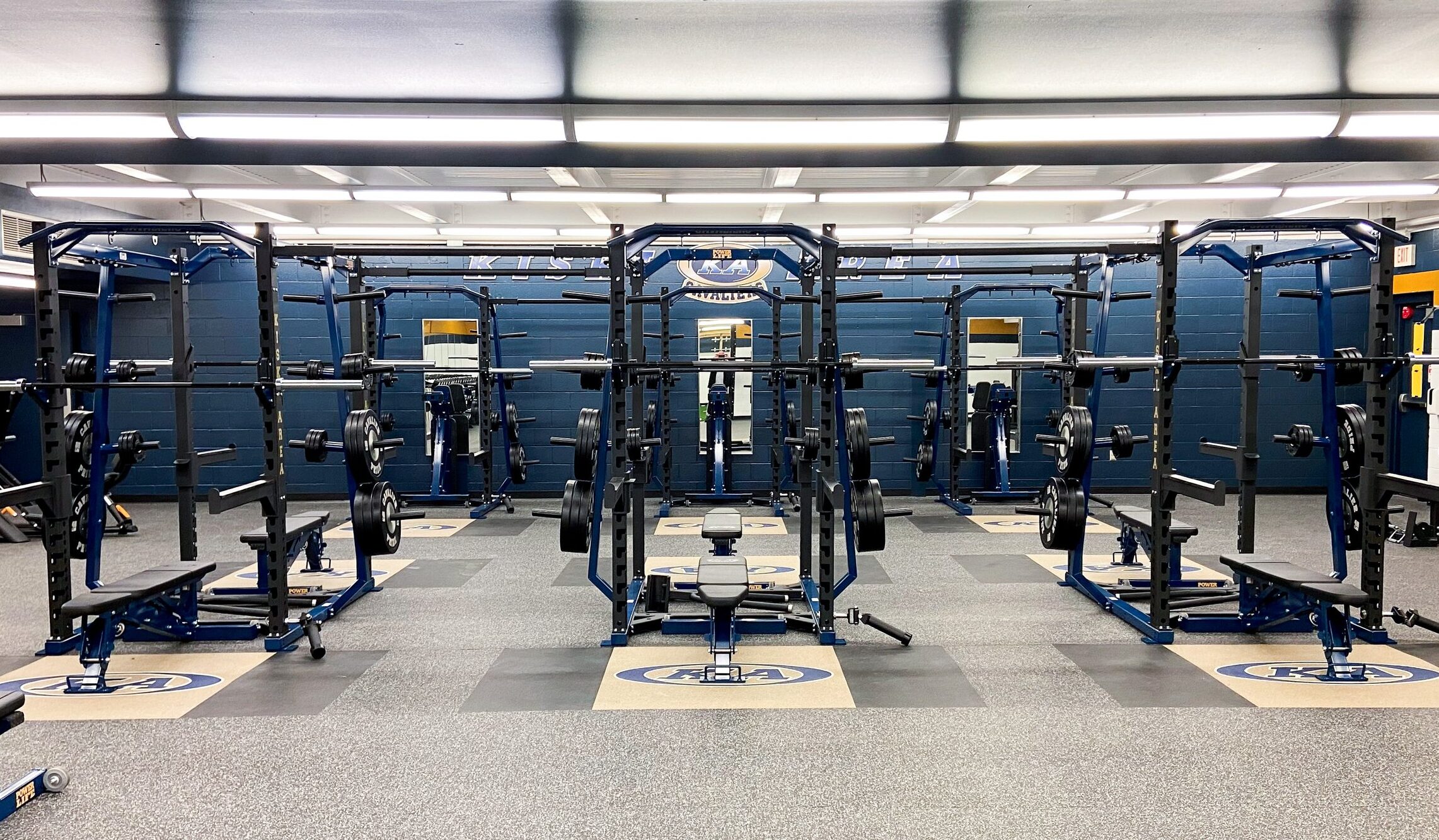
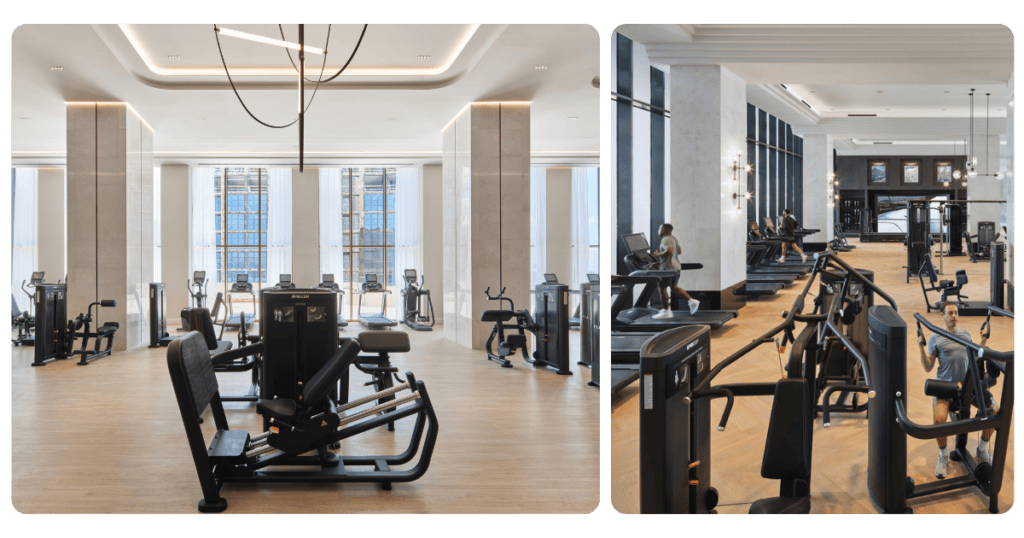
- Full commercial: Built for maximum duty cycles and continuous multi-user environments, like fitness centers at universities, recreation facilities, large corporate campuses, country clubs, and anywhere else where equipment runs hard every day. Full commercial equipment has heavier frames, higher-grade materials, longer warranties, and better serviceability.
The distinction between light commercial and full commercial is where facilities often run into trouble. A piece of equipment that’s labeled commercial but is actually only rated for light commercial use will underperform (and fail early) in a high-traffic environment.
What Features Define Commercial-Grade Equipment?
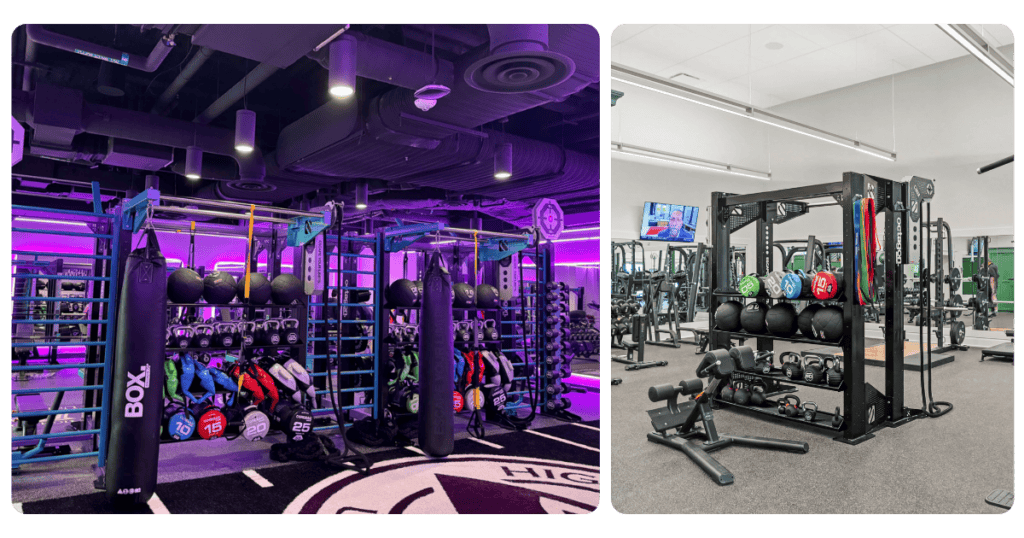
Frame and Structural Construction
- Heavy-gauge steel tubing with consistent wall thickness
- Reinforced welds at all high-stress connection points
- Robust base construction that resists flex and torque under load
- Powder-coat or industrial-finish paint that holds up to sweat, cleaning agents, and repeated contact
Drive Systems and Motors (for Cardio Equipment)
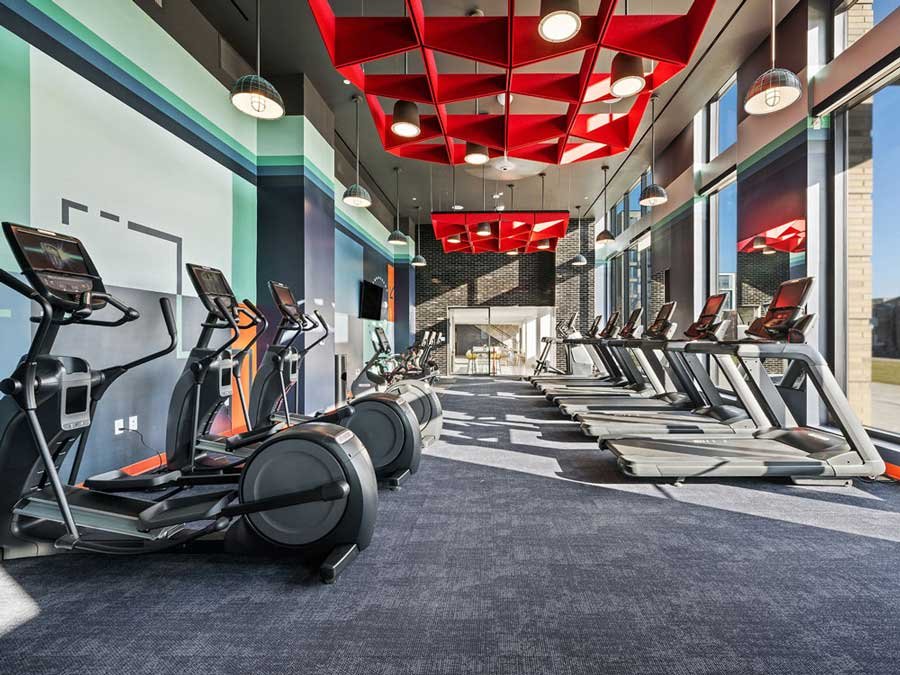
- Commercial-rated motors with clearly specified duty cycles (continuous-duty motors for treadmills, not intermittent-duty)
- Industrial-grade bearings in ellipticals, bikes, and rowers (such as found in brands like Precor and Peloton).
- Belt and drive systems rated for sustained, daily workloads
Weight System and Cables (for Strength Equipment)
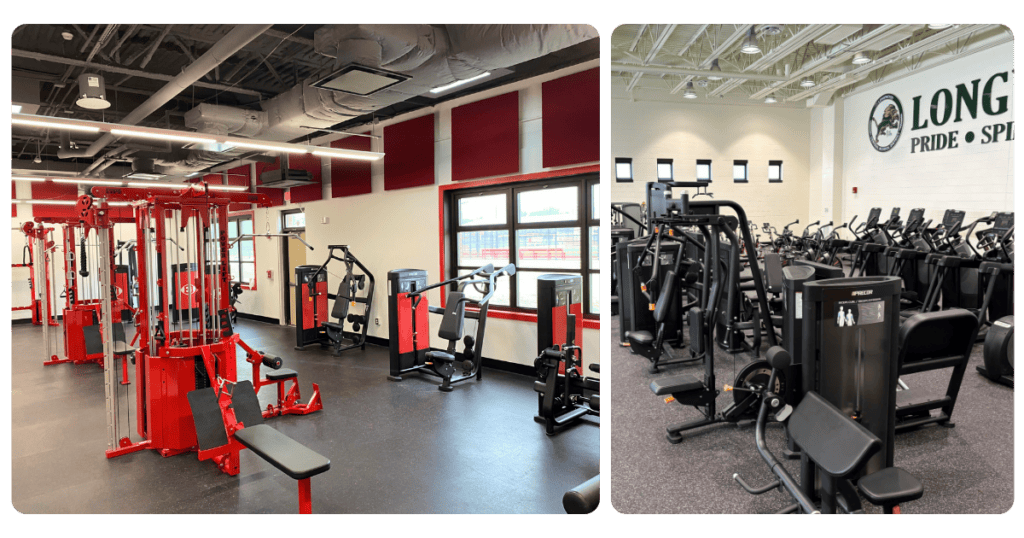
- Thicker, aircraft-grade cables rated for high-cycle use (such as found in brands like Escape Fitness and Power Lift).
- Sealed or easily serviceable bearing systems in pulleys
- Weight stacks with precision machining and consistent tolerances
- Pop pins, handles, and adjustment points that hold up to thousands of daily interactions
Exerciser-Facing Features
- High-density foam padding with durable upholstery
- Display consoles and electronic components with commercial warranty coverage
- Foot pedals, grips, and handrails rated for variable user weight and movement patterns
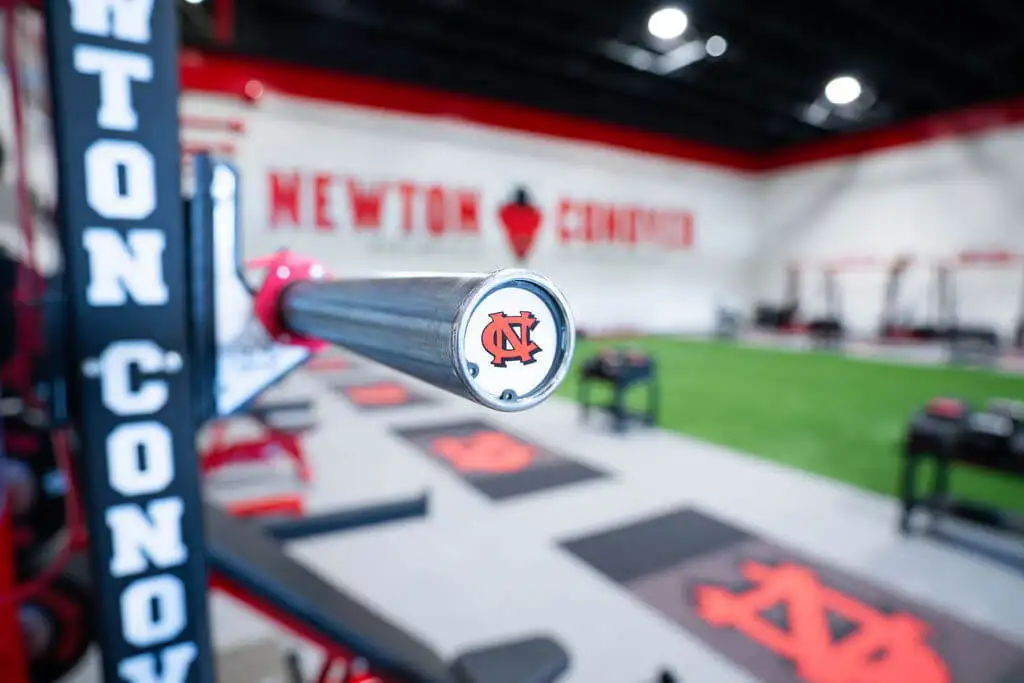
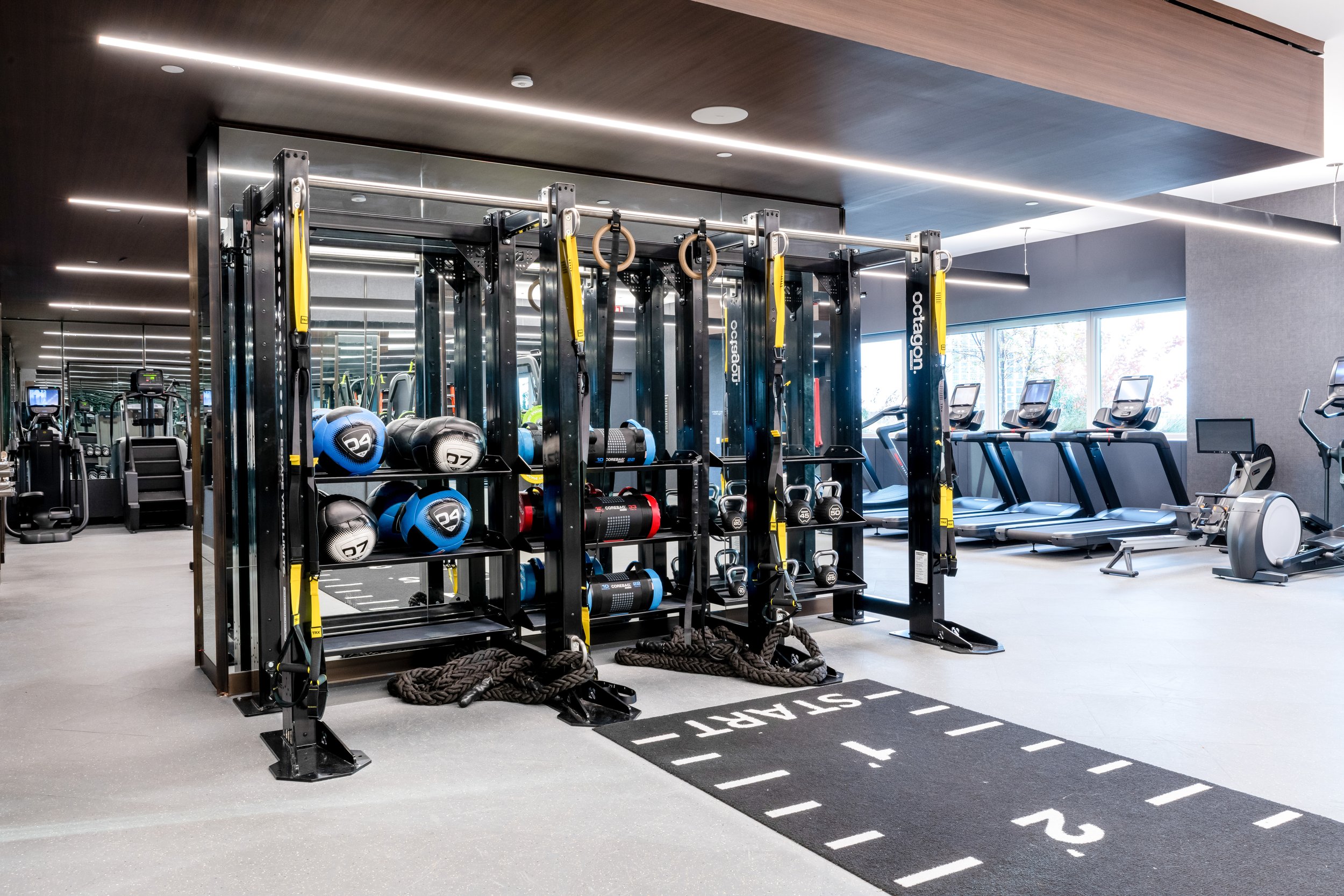
- Customizable colors, logos, endcaps, and more for a brand-focused, appealing, cohesive aesthetic.
Serviceability
- Designed to be maintained and repaired in the field by qualified experts
- Accessible parts, documented service manuals, and a strong manufacturer support network also indicate a brand is serious about commercial-use longevity.
Why Commercial-Grade Matters to Gyms and Fitness Facilities
A piece of residential equipment placed in a commercial setting can create a liability risk. Business insurance policies may not cover incidents involving consumer-grade equipment in commercial environments due to their intended use limitations.
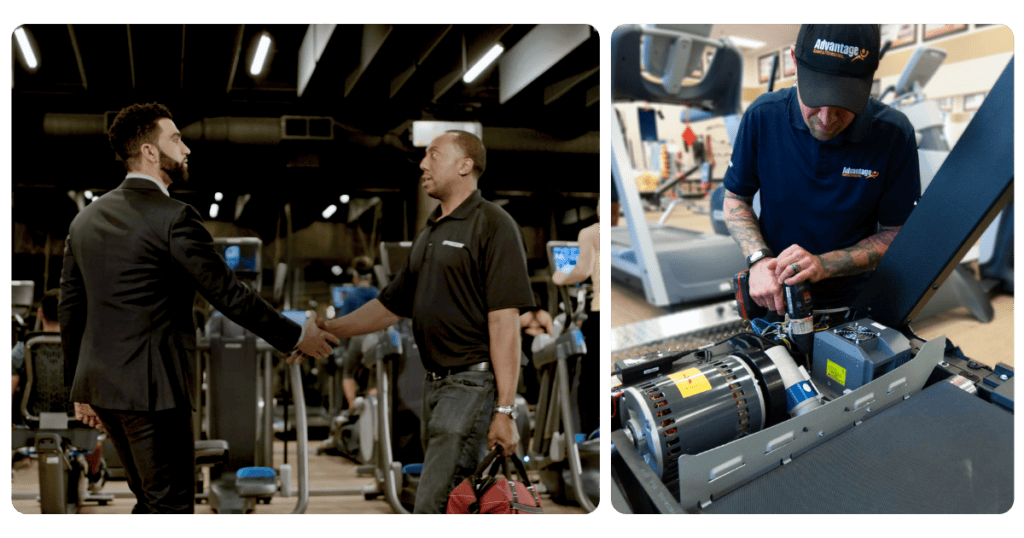
Beyond safety and legal implications, there’s the operational reality. Frequent equipment failures mean out-of-order machines, frustrated exercisers, disrupted schedules, and rising service calls.
When choosing your equipment, consider the total cost of ownership, including:
- Initial acquisition cost
- Installation and setup
- Ongoing maintenance and service contracts
- Parts costs and repair frequency
- Downtime impact on exerciser satisfaction
- Replacement timeline
For example, a commercial treadmill that costs more upfront but runs reliably for ten to twelve years with routine maintenance almost always outperforms a cheaper unit that needs major service at year three and replacement by year five.
How To Verify Commercial-Grade Claims
How can you tell if “commercial-grade” is marketing language or if the equipment is built to hold up in your gym? Here are some considerations to keep in mind:
- Ask for duty cycle ratings. For any cardio equipment, legitimate commercial manufacturers publish these specs. You will want to ensure the duty cycle matches your anticipated exerciser use patterns.
- Request warranty documentation. Read the actual warranty terms (not just the summary). Look at what’s covered under commercial use, what’s excluded, and how long structural, parts, and labor coverages last.
- Explore the service network. Can parts be sourced domestically? Is there a network of certified service technicians? How does the manufacturer handle warranty claims in the field? Understanding these considerations upfront can save you time, stress, and money if an issue arises.
- Talk to similar gyms or fitness facilities. Reputable manufacturers and dealers can connect you with comparable facilities that are running the same equipment. Real-world performance data at similar usage levels is more valuable than any spec sheet.
- Work with a trusted gym equipment dealer. A quality commercial fitness equipment provider (like ASF) sees how brands and products perform in the field.
From Our Experience: Brand Reputation Is Earned in the Field
The experts at ASF have worked with brands like Precor, Escape Fitness, Peloton, Ecore, and Power Lift for years. We have read their documentation, explored their duty cycle ratings, and seen firsthand how their equipment performs in real facilities over time.
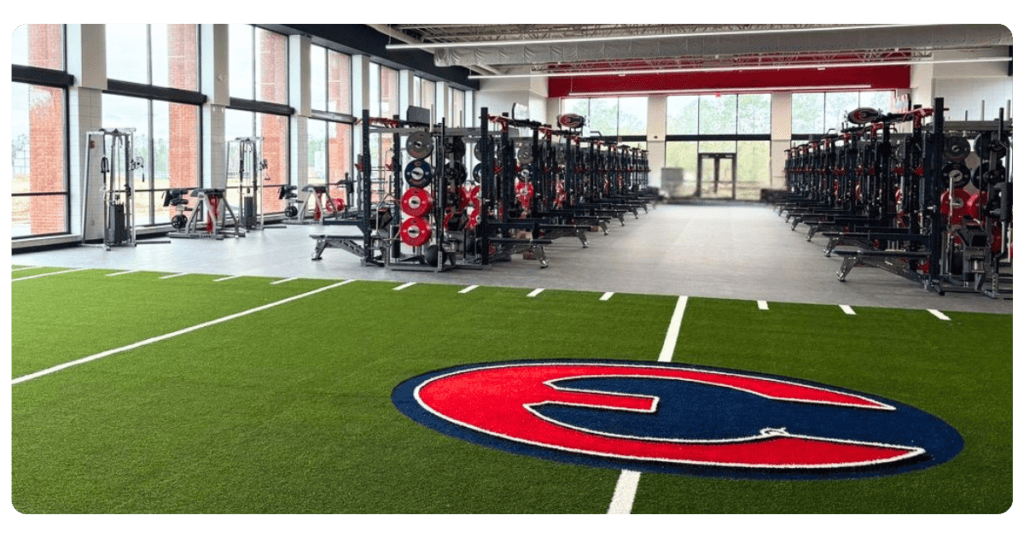
When we spec a project, we’re drawing on the combined experience of thousands of installations, from university weight rooms to community recreation centers, luxury boutique gyms, and everything in between.
That’s the value of working with an experienced partner that offers installation alongside ongoing maintenance and repairs. While the commercial-grade label gets applied broadly, actual commercial-grade performance shows up in the field, and we are there to see (and repair) every issue.
Trusted Commercial-Grade Fitness Equipment at ASF
ASF has been designing and equipping fitness facilities since 1987. From college and university recreation centers to hospitality gyms, corporate wellness spaces, K–12 schools, and multifamily fitness amenities, we bring hands-on project experience to every project.
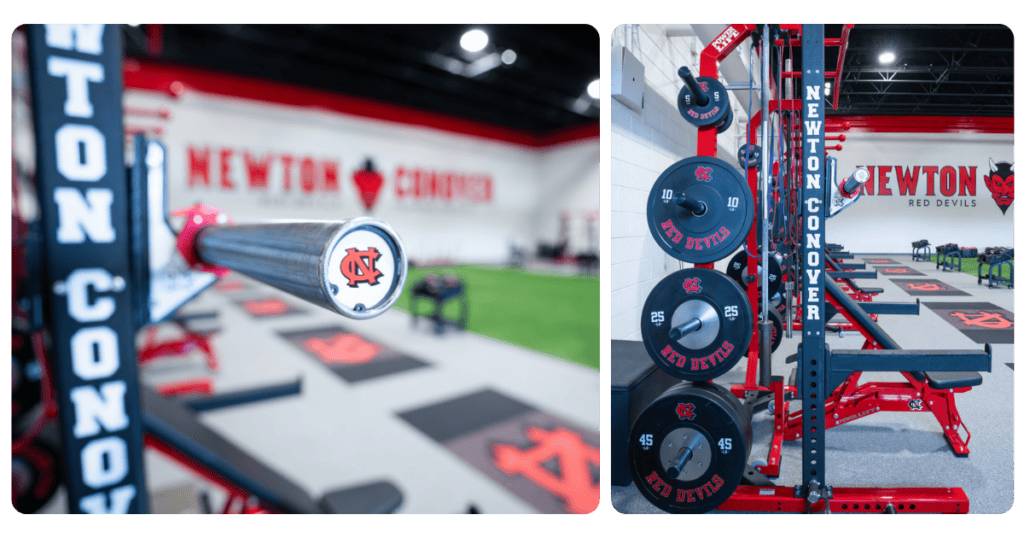
Through our partnership with top commercial-grade equipment brands, we help gyms with equipment leasing, financing, delivery, installation, repairs, maintenance, and customization, in addition to our gym design and planning services.
Contact our gym equipment and design experts or explore our projects to get started today!
Frequently Asked Questions
Is there an official certification for commercial-grade gym equipment?
No, “commercial-grade” is an industry term, not a regulated or certified designation. That’s why it’s important to evaluate actual specs (like frame construction, duty cycle ratings, and warranty terms), or work with a trusted equipment provider rather than relying on the phrase itself.
What is a duty cycle rating, and why does it matter?
A duty cycle rating describes how long a motor or mechanical component can operate under load within a given time period before it needs to rest or cool down. On treadmills, for example, a continuous-duty motor can run almost indefinitely under normal load, while an intermittent-duty motor requires downtime between uses. So, in a high-traffic commercial gym, intermittent-duty motors wear out quickly. Always ask for duty cycle specs on any powered cardio equipment you’re considering.
How long should commercial gym equipment last?
Full commercial equipment from reputable manufacturers, when properly maintained, typically has a useful service life of 10 to 15 years for cardio and 15 or more years for strength equipment. Light commercial equipment generally runs 5 to 8 years under comparable conditions. Actual longevity depends on usage volume, maintenance consistency, the quality of the manufacturer’s service support, and the adaptability with changes in your gym. Read more about future-proof gym design here.
Does commercial-grade equipment need professional installation?
For most commercial fitness environments, yes. Professional installation ensures equipment is properly assembled, anchored, and calibrated, which matters both for exerciser safety and preventing a voided warranty. Many manufacturers require documented professional installation, which equipment distributors like ASF can provide.
How do warranties differ between residential and commercial equipment?
Commercial warranties are typically more comprehensive in coverage, but they often require documented professional installation, regular preventive maintenance, use of authorized service technicians, and original parts. Residential warranties are often simpler but offer less coverage.