/* update variables when header is on dark background*/
.on-dark-bg {
   --header-bg: var(--current-header-bg);
   --chevron-clr: white;
   --menu-item-clr: white;
   --menu-item-hover-bg: #172235;
   --menu-item-hover-clr: #bc92e6;
   --menu-toggle-clr: var(--menu-item-clr);
   --dropdown-content-border: solid 1px rgb(220 220 220 / 20%);
   --mobile-menu-bg: var(--header-bg);
 }

 .on-light-bg {
   --menu-item-clr: black;
   /* update variables when header is on light background*/
 }


 /* update variable when on dark or light background */
 .on-dark-bg,
 .on-light-bg {
   --overlay-header-bg-active: var(--current-header-bg);
   --dropdown-content-bg: var(--current-header-bg);
 }

 .on-video-section {
   /* update variables when header is on video section*/
   --menu-item-clr: white;
   --chevron-clr: white;
   --menu-item-hover-bg: rgb(0 0 0 / 30%);
   --menu-item-hover-clr: #bc92e6;
   --dropdown-content-bg: rgb(0 0 0 / 70%);
   --overlay-header-bg: rgb(0 0 0 / 25%);
   --overlay-header-bg-active: var(--dropdown-content-bg);
   --dropdown-content-border: solid 1px rgb(220 220 220 / 20%);
   --current-header-bg: rgb(0 0 0 / 14%) !important;
   --header-bg: rgb(0 0 0 / 70%);
   --menu-toggle-clr: white;
   --mobile-menu-bg: rgb(0 0 0 / 95%);
   --menu-cta-border: var(--dropdown-content-border)
 }


 .on-hero-section {
   /* update variables when header is on hero section*/
 }

 /* header bg blure when on video section */
 html:not(.dwc-mobile) .dwc-nest-header.on-video-section {
   backdrop-filter: blur(var(--overlay-header-blur));
 }

 /* overlay header border when on video section or dark background*/
 .dwc-nest-header:is(.on-dark-bg, .on-video-section)[data-overlay-header="true"] {
   border: 1px solid rgba(255, 255, 255, 0.2);
 }

 /* header bottom border when on dark background or video section*/
 .dwc-nest-header:is(.on-dark-bg, .on-video-section) {
   border-bottom: 1px solid rgba(255, 255, 255, 0.2);
 }


 /* logo color when on dark background*/
 .on-dark-bg .dwc-nest-menu__logo path {
   fill: white;
 }

 /* logo color when on light background*/
 .on-dark-bg .dwc-nest-menu__logo path {
   /*define svg fill when logo is on light background */
 }

 /* logo color when on video background*/
 .on-video-section .dwc-nest-menu__logo path {
   fill: white;
 }

/*custom */

.on-dark-bg .mega-menu-magic__menu-icon-large{
   background-color: var(--current-header-bg);
    fill: #bc92e6;
    color: #bc92e6;
}

.on-video-section .mega-menu-magic__menu-icon-large{
   background-color: var(--current-header-bg);
    fill: #bc92e6;
    color: #bc92e6;
}

.on-video-section .mega-menu-magic__dropdown-title,
.on-dark-bg .mega-menu-magic__dropdown-title{
    color: rgb(210 210 210);   
}
// Constants
const BREAKPOINT_DESKTOP = 0;
const DEBOUNCE_DELAY = 50;

// Configuration object for all header-related selectors
const HEADER_CONFIG = {
  // Main header element
  headerElement: '.dwc-nest-header',
  // Wrapper element selectors (can be classes, IDs, or data attributes)
  wrapperSelectors: [
    // '.dwc-nest-header__container'
  ],
  // Elements to monitor for header styling (can include any CSS selector)
  // Default monitors sections, but you can add footer, divs, or any element
  monitoredElements: 'section, [data-header-zone]',
  // Store original header background color
  originalHeaderBgColor: null
};

// Unified section type configuration
// Add new data attributes here - they will be automatically mapped to header classes
const SECTION_TYPES = {
  'data-hero': 'on-hero-section',
  'data-video': 'on-video-section',
  'data-custom': 'on-custom-section',
  'data-sticky': 'on-media-section'
  // Add new: 'data-feature': 'on-feature-section'
};

// Configuration for excluded sections
const EXCLUSION_CONFIG = {
  // Data attribute that identifies sections to exclude from header styling
  sectionAttribute: 'data-exclude-header'
};

// Text color classes
const TEXT_CLASSES = {
  light: 'on-dark-bg',
  dark: 'on-light-bg'
};

// Generate classes to remove dynamically from SECTION_TYPES and text classes
const ALL_CLASSES_TO_REMOVE = [
  // Add all header classes from section types
  ...Object.values(SECTION_TYPES),
  // Add text color classes
  TEXT_CLASSES.light,
  TEXT_CLASSES.dark
];

// Performance optimization: Cache DOM elements and computed values
const CACHE = {
  headerElement: null,
  wrapperElement: null,
  sections: [],
  sectionsData: new Map(),
  colorCache: new Map(),
  tempColorElement: null,
  lastKnownSection: null,
  isUpdating: false,
  pendingColorUpdate: false
};

// Initialize cache
function initializeCache() {
  // Cache header elements
  CACHE.headerElement = document.querySelector(HEADER_CONFIG.headerElement);
  
  // Try each wrapper selector until one is found
  for (const selector of HEADER_CONFIG.wrapperSelectors) {
    CACHE.wrapperElement = document.querySelector(selector);
    if (CACHE.wrapperElement) break;
  }
  
  // Cache sections and their positions
  CACHE.sections = Array.from(document.querySelectorAll(HEADER_CONFIG.monitoredElements));
  
  // Create reusable element for color calculations
  CACHE.tempColorElement = document.createElement('div');
  CACHE.tempColorElement.style.position = 'absolute';
  CACHE.tempColorElement.style.visibility = 'hidden';
  CACHE.tempColorElement.style.pointerEvents = 'none';
  document.body.appendChild(CACHE.tempColorElement);
  
  // Cache section metadata
  updateSectionsCache();
}

// Update sections cache (call when DOM changes)
function updateSectionsCache() {
  CACHE.sections = Array.from(document.querySelectorAll(HEADER_CONFIG.monitoredElements));
  CACHE.sectionsData.clear();
  
  CACHE.sections.forEach((section, index) => {
    const sectionData = {
      index,
      isExcluded: section.hasAttribute(EXCLUSION_CONFIG.sectionAttribute)
    };
    
    // Dynamically check for all section types defined in SECTION_TYPES
    Object.keys(SECTION_TYPES).forEach(attribute => {
      sectionData[attribute] = section.hasAttribute(attribute);
    });
    
    CACHE.sectionsData.set(section, sectionData);
  });
}

// Function to remove all section classes from :root only
function removeAllSectionClasses() {
  const rootElement = document.documentElement;
  
  // Remove classes from :root only
  rootElement.classList.remove(...ALL_CLASSES_TO_REMOVE);
}

// Function to update the CSS variable on :root
function updateRootBackgroundVariable(color) {
  document.documentElement.style.setProperty('--current-header-bg', color);
}

// Function to apply classes to :root only
function applyClassesToRoot(headerClass, textClass) {
  const rootElement = document.documentElement;
  
  // Apply header class to :root only
  if (headerClass) {
    rootElement.classList.add(headerClass);
  }
  
  // Apply text class to :root only
  if (textClass) {
    rootElement.classList.add(textClass);
  }
}

// Optimized color conversion using cached temp element
function getRGBValues(color) {
  const cacheKey = color;
  if (CACHE.colorCache.has(cacheKey)) {
    return CACHE.colorCache.get(cacheKey);
  }
  
  CACHE.tempColorElement.style.color = color;
  const computedColor = window.getComputedStyle(CACHE.tempColorElement).color;
  
  // Extract RGB values
  const match = computedColor.match(/rgba?\((\d+),\s*(\d+),\s*(\d+)/);
  const result = match ? {
    r: parseInt(match[1]),
    g: parseInt(match[2]),
    b: parseInt(match[3])
  } : { r: 255, g: 255, b: 255 };
  
  // Cache the result
  CACHE.colorCache.set(cacheKey, result);
  return result;
}

// Function to check if a background color is transparent or empty
function isBackgroundTransparent(color) {
  if (!color) return true;
  
  const transparentValues = [
    'transparent',
    'rgba(0, 0, 0, 0)',
    'rgba(0,0,0,0)',
    'initial',
    'inherit',
    ''
  ];
  
  return transparentValues.includes(color.toLowerCase().replace(/\s/g, ''));
}

// Function to determine if a color is dark or light
function isColorDark(color) {
  if (color === 'transparent' || color === 'rgba(0, 0, 0, 0)') {
    return false;
  }
  
  const rgb = getRGBValues(color);
  const luminance = (0.299 * rgb.r + 0.587 * rgb.g + 0.114 * rgb.b) / 255;
  return luminance < 0.5;
}

// Optimized section detection using cached data
function getCurrentSection() {
  if (!CACHE.headerElement || CACHE.sections.length === 0) return null;
  
  const headerHeight = CACHE.headerElement.offsetHeight;
  
  // Quick check if we're still in the same section
  if (CACHE.lastKnownSection) {
    const rect = CACHE.lastKnownSection.getBoundingClientRect();
    if (rect.top <= headerHeight && rect.bottom > headerHeight) {
      return CACHE.lastKnownSection;
    }
  }
  
  // Binary search would be ideal here, but simple loop is sufficient for most cases
  for (const section of CACHE.sections) {
    const rect = section.getBoundingClientRect();
    if (rect.top <= headerHeight && rect.bottom > headerHeight) {
      CACHE.lastKnownSection = section;
      return section;
    }
  }
  
  const firstSection = CACHE.sections[0] || null;
  CACHE.lastKnownSection = firstSection;
  return firstSection;
}

// Function to get computed background color with caching
function getComputedBackgroundColor(element) {
  const cacheKey = element;
  if (CACHE.colorCache.has(cacheKey)) {
    return CACHE.colorCache.get(cacheKey);
  }
  
  const bgColor = window.getComputedStyle(element).backgroundColor;
  CACHE.colorCache.set(cacheKey, bgColor);
  return bgColor;
}

// Function to initialize original header background color
function initializeOriginalHeaderBgColor() {
  if (CACHE.headerElement) {
    HEADER_CONFIG.originalHeaderBgColor = window.getComputedStyle(CACHE.headerElement).backgroundColor;
  }
}

// Function to determine header style configuration based on section
function determineHeaderConfig(section) {
  if (!section) return null;
  
  const sectionData = CACHE.sectionsData.get(section);
  if (!sectionData) return null;
  
  // If section is excluded, return null to skip styling
  if (sectionData.isExcluded) {
    return null;
  }
  
  // Dynamically check for any section type defined in SECTION_TYPES
  for (const [attribute, headerClass] of Object.entries(SECTION_TYPES)) {
    if (sectionData[attribute]) {
      return {
        backgroundColor: null,
        headerClass: headerClass,
        needsWhiteText: null,
        isSpecialSection: true
      };
    }
  }
  
  // Get the actual background color of the section
  const sectionBgColor = getComputedBackgroundColor(section);
  
  if (isBackgroundTransparent(sectionBgColor)) {
    return {
      backgroundColor: HEADER_CONFIG.originalHeaderBgColor || 'rgb(255, 255, 255)',
      headerClass: null,
      needsWhiteText: isColorDark(HEADER_CONFIG.originalHeaderBgColor || 'rgb(255, 255, 255)'),
      isSpecialSection: false
    };
  }
  
  const needsWhiteText = isColorDark(sectionBgColor);
  
  return {
    backgroundColor: sectionBgColor,
    headerClass: null,
    needsWhiteText: needsWhiteText,
    isSpecialSection: false
  };
}

// Function to apply styles (background color to header, classes to :root only)
function applyHeaderStyles(config) {
  if (!CACHE.headerElement || !config) return;
  
  const elementsToStyle = [CACHE.headerElement, CACHE.wrapperElement].filter(Boolean);
  
  // Use requestAnimationFrame for smooth visual updates
  requestAnimationFrame(() => {
    // First, remove all section classes and text classes from :root only
    removeAllSectionClasses();
    
    // Update the root CSS variable with background color
    if (config.backgroundColor !== null) {
      const appliedBgColor = config.backgroundColor || '';
      updateRootBackgroundVariable(appliedBgColor);
    } else {
      updateRootBackgroundVariable('');
    }
    
    // Determine text class to apply
    const textClass = config.needsWhiteText !== null 
      ? (config.needsWhiteText ? TEXT_CLASSES.light : TEXT_CLASSES.dark)
      : null;
    
    // Apply classes to :root only
    applyClassesToRoot(config.headerClass, textClass);
    
    // Handle background color on header elements only
    elementsToStyle.forEach(element => {
      if (config.backgroundColor !== null) {
        const appliedBgColor = config.backgroundColor || '';
        element.style.backgroundColor = appliedBgColor;
      } else {
        element.style.backgroundColor = '';
      }
    });
    
    // For special sections, allow CSS to apply first, then get computed background color
    if (config.isSpecialSection && config.headerClass) {
      // Use setTimeout(0) to ensure CSS has been applied, but batch multiple calls
      if (!CACHE.pendingColorUpdate) {
        CACHE.pendingColorUpdate = true;
        setTimeout(() => {
          // Process all elements that need color updates in this batch
          elementsToStyle.forEach(el => {
            // Check if element has any of the section classes (though they're not applied anymore)
            const hasSectionClass = Object.values(SECTION_TYPES).some(className => 
              el.classList.contains(className)
            );
            
            if (hasSectionClass) {
              const computedBgColor = getComputedBackgroundColor(el);
              updateRootBackgroundVariable(computedBgColor);
            }
          });
          CACHE.pendingColorUpdate = false;
        }, 50);
      }
    }
    
    CACHE.isUpdating = false;
  });
}

// Throttled update function using requestAnimationFrame
function updateHeaderStyles() {
  // Prevent multiple updates in the same frame
  if (CACHE.isUpdating) return;
  
  // Apply only on screens larger than the breakpoint
  if (window.innerWidth <= BREAKPOINT_DESKTOP) {
    return;
  }
  
  CACHE.isUpdating = true;
  
  const currentSection = getCurrentSection();
  if (!currentSection) {
    CACHE.isUpdating = false;
    return;
  }
  
  const headerConfig = determineHeaderConfig(currentSection);
  if (!headerConfig) {
    CACHE.isUpdating = false;
    return;
  }
  
  applyHeaderStyles(headerConfig);
}

// Debounce function for resize events (less frequent)
function debounce(func, wait) {
  let timeout;
  return function executedFunction(...args) {
    const later = () => {
      clearTimeout(timeout);
      func(...args);
    };
    clearTimeout(timeout);
    timeout = setTimeout(later, wait);
  };
}

// RAF-based throttle for scroll events
let rafId = null;
function throttleWithRAF(func) {
  return function(...args) {
    if (rafId) return;
    
    rafId = requestAnimationFrame(() => {
      func.apply(this, args);
      rafId = null;
    });
  };
}

// Initialize everything
function initialize() {
  initializeCache();
  initializeOriginalHeaderBgColor();
  updateHeaderStyles();
}

// Cleanup function
function cleanup() {
  if (CACHE.tempColorElement && CACHE.tempColorElement.parentNode) {
    CACHE.tempColorElement.parentNode.removeChild(CACHE.tempColorElement);
  }
  if (rafId) {
    cancelAnimationFrame(rafId);
  }
}

// Initialize on page load
if (document.readyState === 'loading') {
  document.addEventListener('DOMContentLoaded', initialize);
} else {
  initialize();
}

// Create optimized event handlers
const throttledUpdateHeaderStyles = throttleWithRAF(updateHeaderStyles);
const debouncedUpdateHeaderStyles = debounce(() => {
  updateSectionsCache(); // Refresh cache on resize
  updateHeaderStyles();
}, DEBOUNCE_DELAY);

// Add event listeners with passive option for better performance
window.addEventListener('scroll', throttledUpdateHeaderStyles, { passive: true });
window.addEventListener('resize', debouncedUpdateHeaderStyles, { passive: true });

// Cleanup on page unload
window.addEventListener('beforeunload', cleanup);

Case studies

9 Signs Your Fitness Facility Is Due for an Upgrade

Fitness facilities rarely become outdated all at once. From frequent equipment breakdowns and worn flooring to crowded workout zones and declining usage, these nine signs can help you determine when it’s time to refresh, upgrade, or rethink your fitness space.

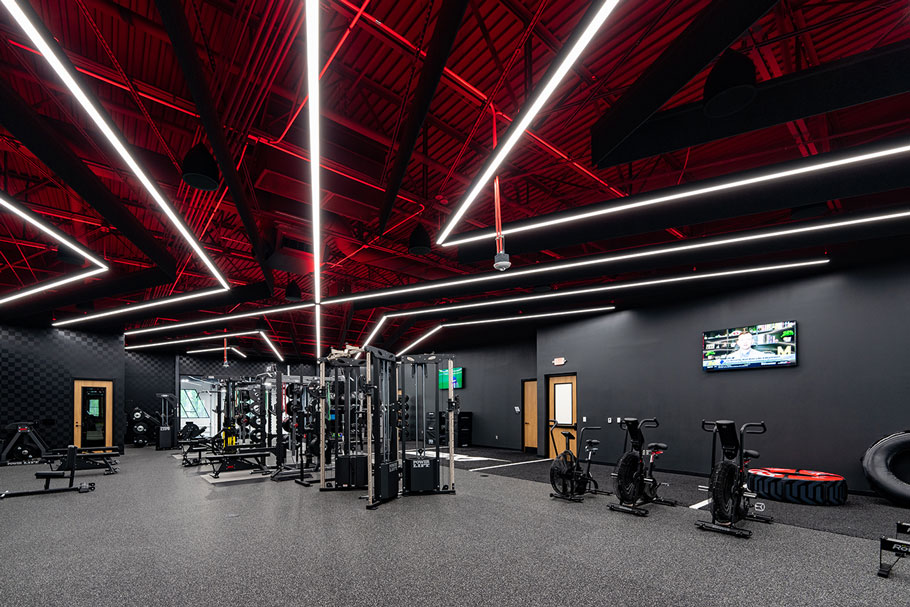
Wellness space with Fitness Equipment

A fitness facility rarely becomes outdated overnight. It happens gradually—a cable machine starts to squeak, a section of turf goes unused, or the squat rack suddenly has a waitlist. By the time these signs become obvious, exercisers may already be looking elsewhere.
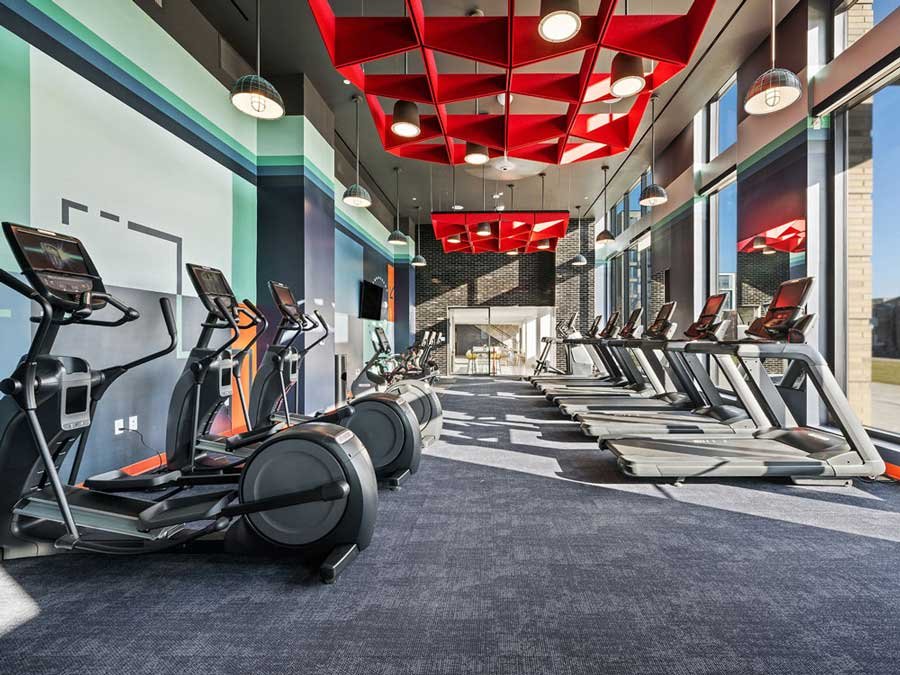
Commercial Grade Fitness Equipment

At Advantage Sport & Fitness, we’ve been designing, equipping, and maintaining fitness spaces since 1987. Over the years, we’ve seen hundreds of facilities that looked “fine” on paper but were quietly losing users or tenants to newer, more modern options. Let’s explore the clearest signs that your facility is due for an upgrade, along with what we’ve learned from doing this work across colleges, apartment communities, corporate wellness centers, hotels, and country clubs up and down the East Coast.

Key Takeaways

  • Facility age doesn’t correlate exactly to upgrade needs. A poorly-designed five-year-old gym can be more outdated than a fifteen-year-old one that was built with the right future-proofing and professional support. Equipment downtime, user complaints, and declining usage are better indicators of when it’s time for an upgrade than the age of your facility.
  • Safety issues should never wait. Worn flooring, fraying cables, overcrowded lifting zones, or other safety concerns are urgent upgrades, and you may not have time to wait for a full renovation budget.
  • Training trends change over time, and most gyms are not keeping up. If your equipment mix hasn’t changed since you last renovated, it’s probably out of step with how people train now.
  • Fitness amenities are increasingly important to commercial success. An upgraded gym can decide whether someone signs a lease, accepts a job, or renews a membership. The facility is doing marketing work whether you planned for it or not, which can help upgrades pay for themselves. 
  • Most facilities don’t need a full teardown. A phased, prioritized upgrade plan is usually faster, cheaper, and less disruptive.

Sign 1. Are Exercisers Waiting for Equipment That Used to Be Available?

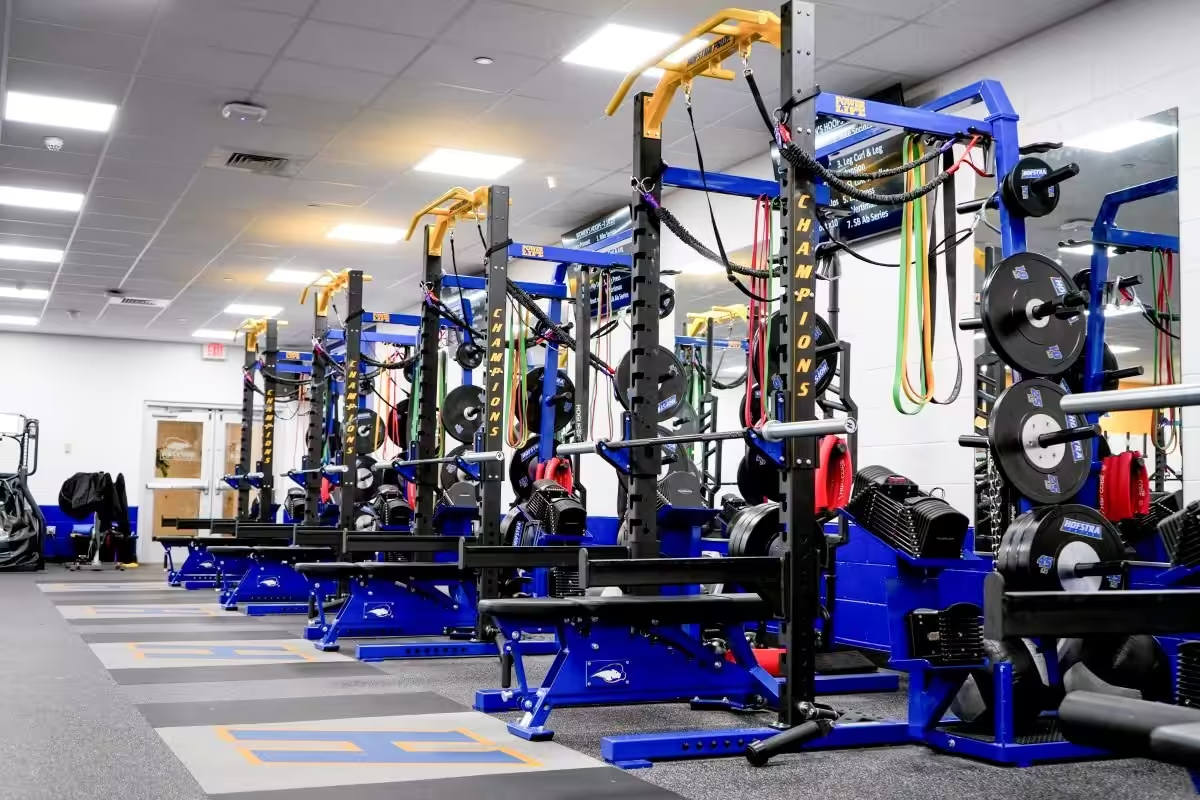
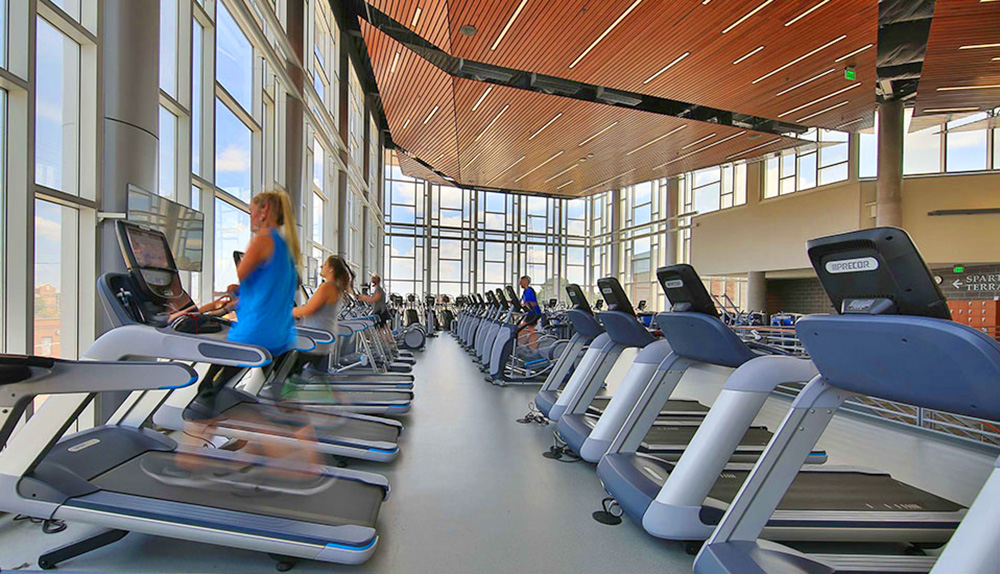
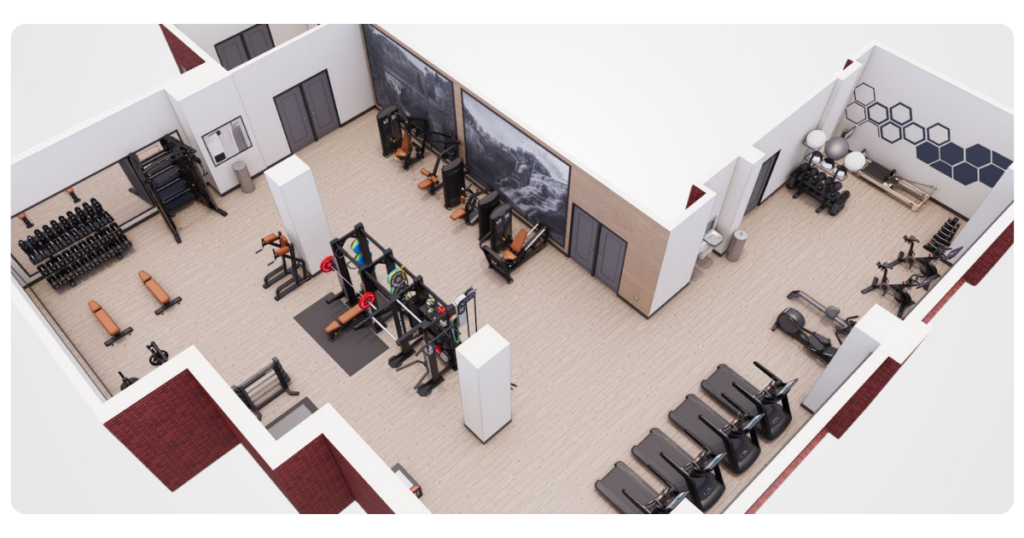
Congestion is one of the earliest, most visible signs that a facility hasn’t kept pace with demand. If exercisers are hovering near the squat rack, circling the cardio floor at 6 p.m., or asking staff when more equipment is “finally” coming, that’s a capacity problem (and sometimes a safety concern).
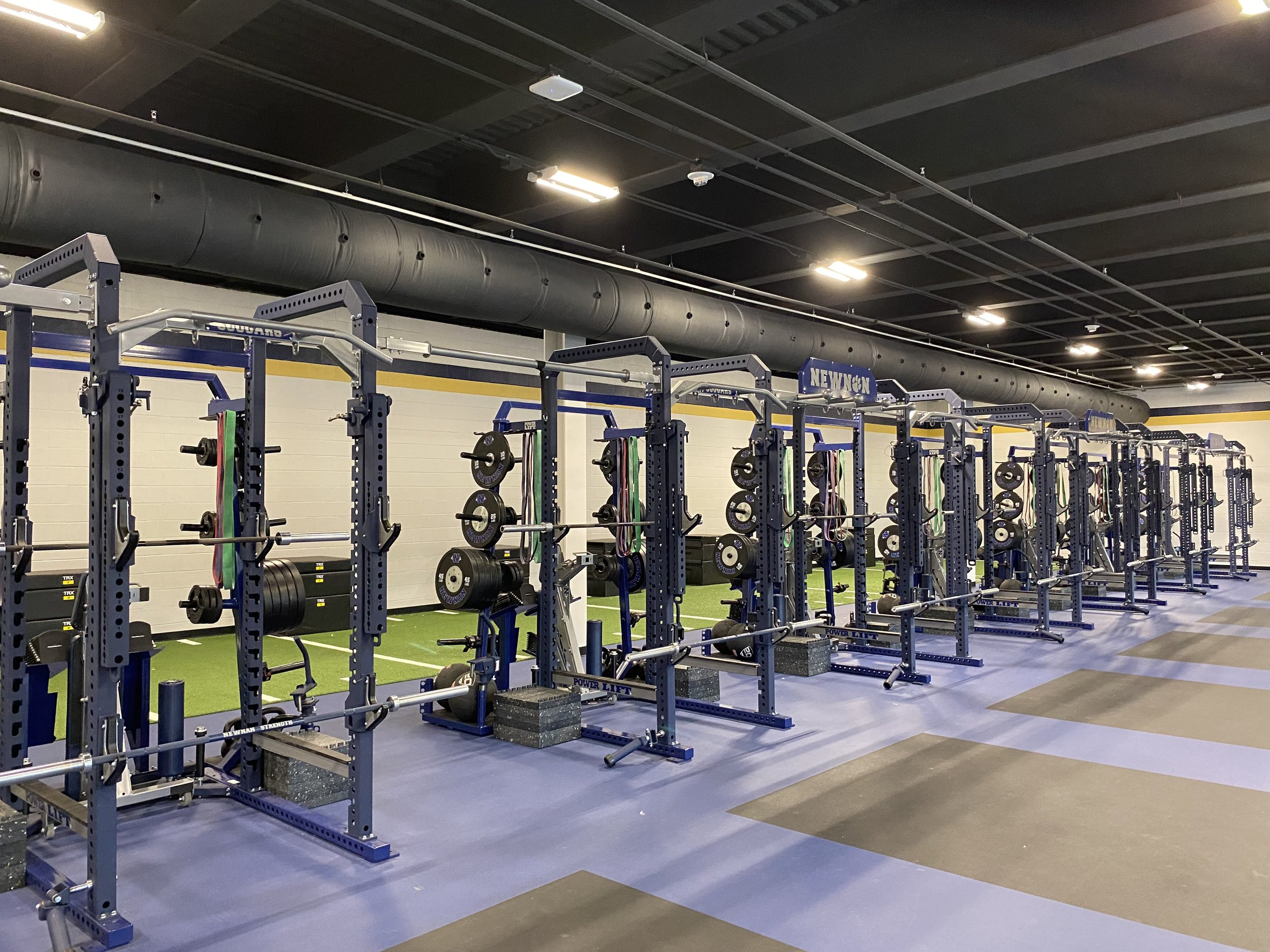
fitness layout

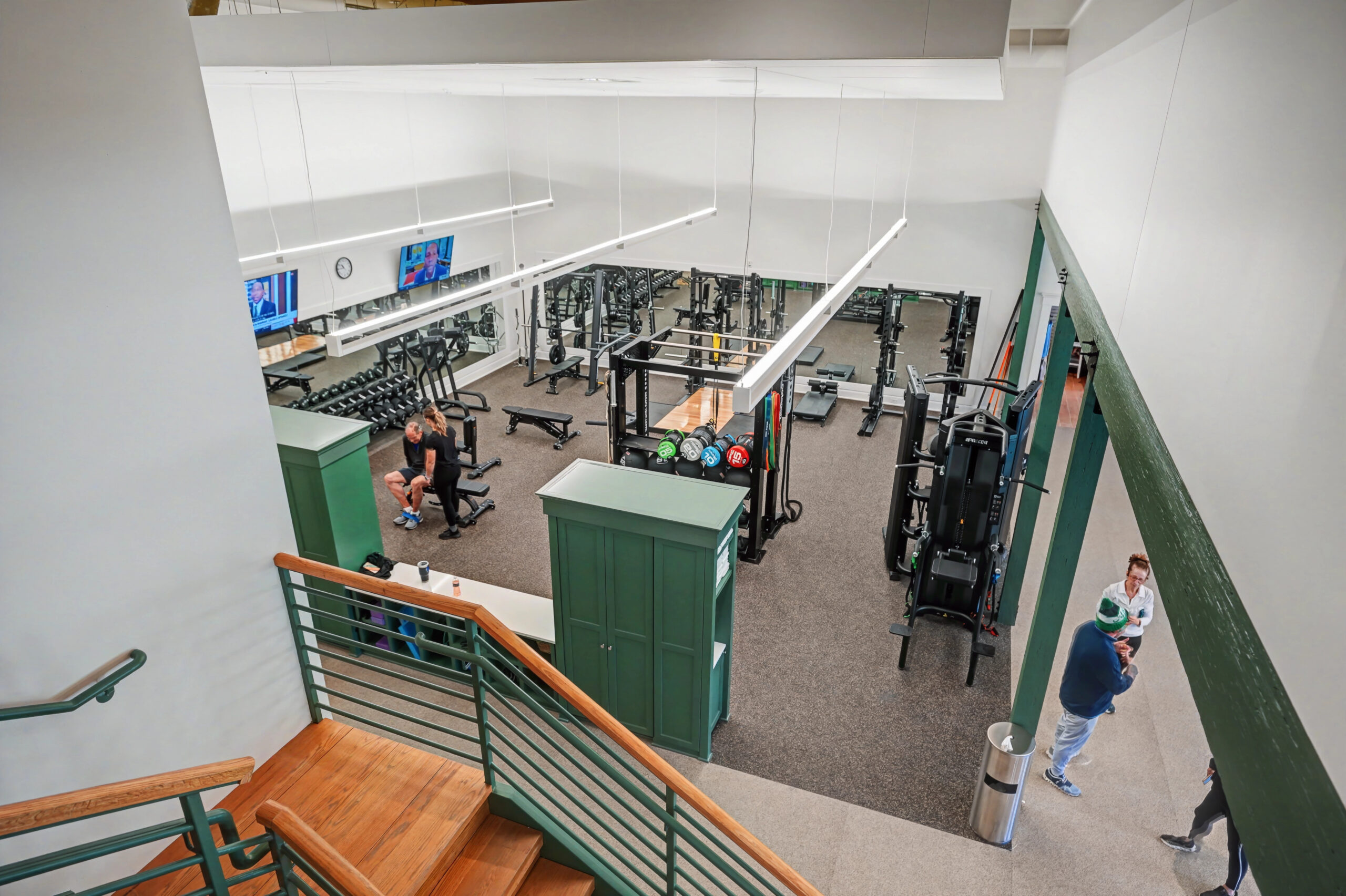
This shows up most in facilities that added exercisers (new residents, new employees, a growing student body) without adding proportional equipment or square footage. 

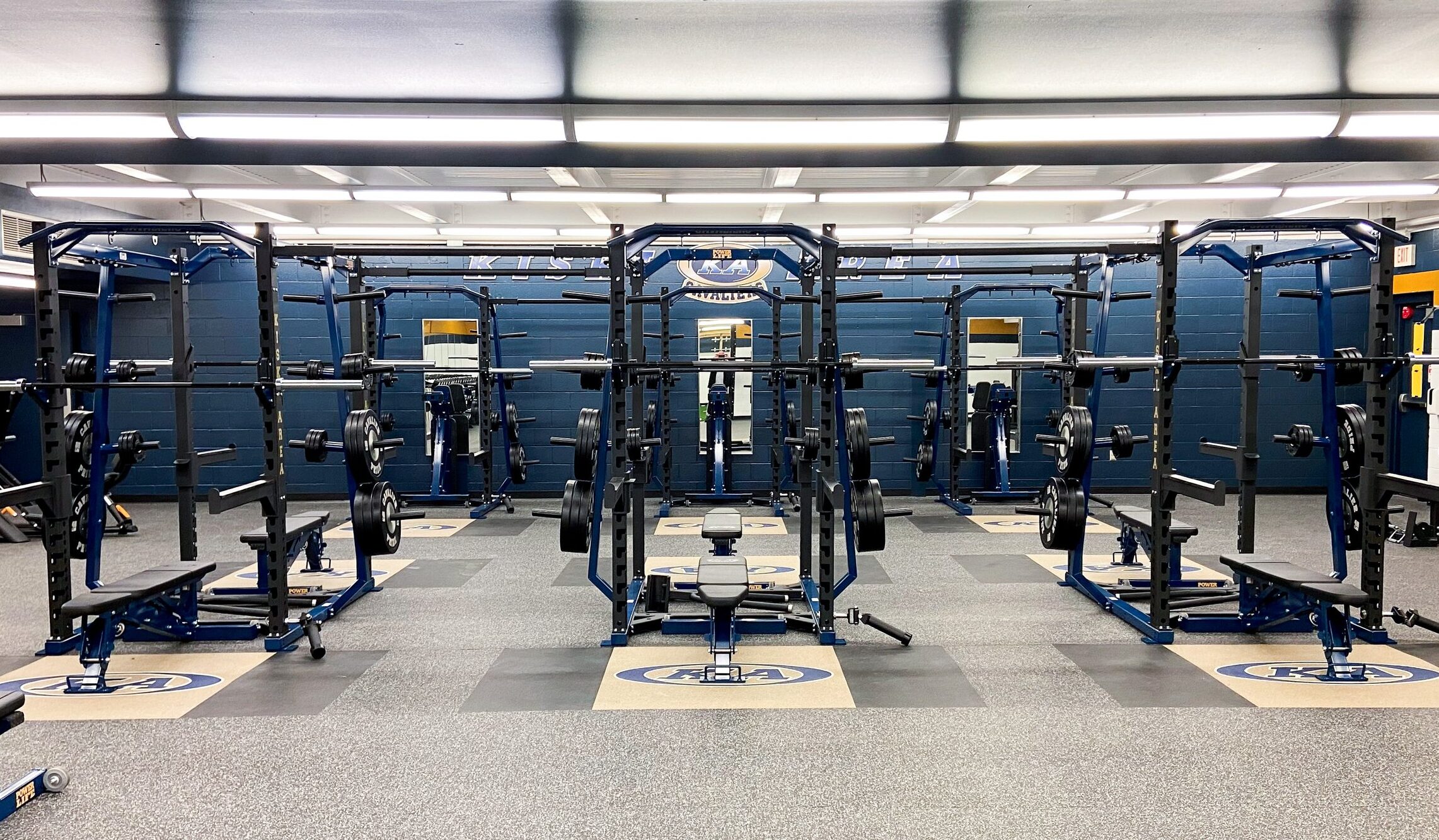
The fix isn’t always “buy more of everything” or “tear it all down.” Often, the solution lies in rebalancing the floor with a more functional, future-proof gym design. This can include removing underused machines, replacing any bulky or outdated equipment, making space adaptable, and adding more multi-station or functional training equipment that can serve several exercisers at once.

Sign 2. Is Equipment Breaking Down More Than It’s Working?

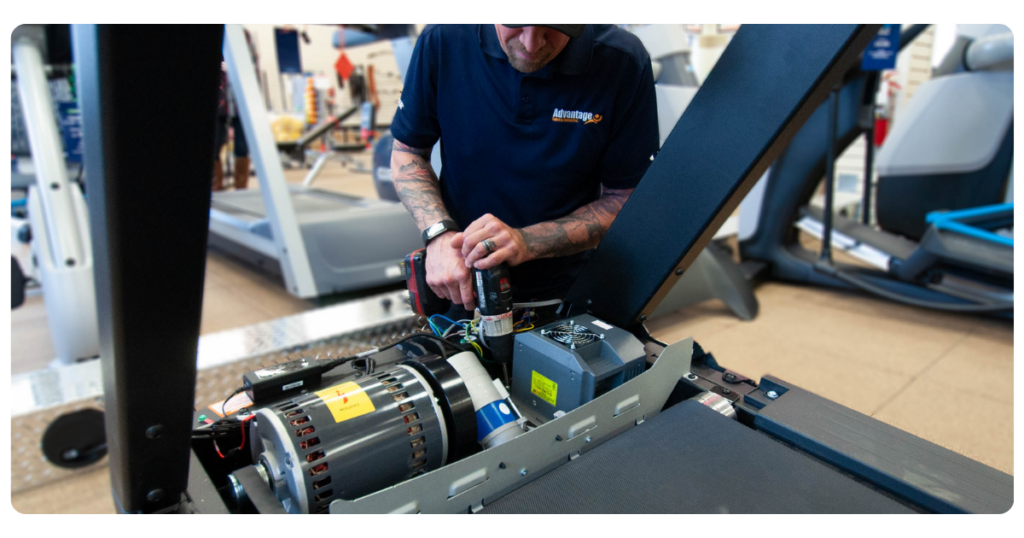
Every piece of commercial-grade fitness equipment has a duty cycle it was built for, and every piece eventually wears past it. When partnering with brands like Precor, which are known for their longevity, you may expect longer equipment lifespans, with certain components of their commercial lines warrantied for up to ten years. However, with less reputable brands and commercial equipment that doesn’t receive proper care, you may start to notice sweeping declines. The tell is often a pattern beyond one broken treadmill or rowing machine.
ASF professional equipment repair

Signs your maintenance calls have crossed from “normal” into “too frequent” include:

  • The same machines go out of service more than once a quarter.
  • Replacement parts are backordered or discontinued.
  • Repair costs are creeping close to what a replacement would cost.
  • Staff has started roping off equipment permanently instead of repairing it.

If your maintenance log reads more like a breakdown log, that’s your answer. A facility that’s constantly patching equipment is spending money to stand still. 

Sign 3. Is It Time to Replace Your Equipment?

Even the sturdiest commercial-grade fitness equipment isn’t built to last forever, and manufacturers publish expected lifespans for a reason. For example, cardio equipment in a high-traffic commercial setting typically has a shorter functional life than strength equipment, which can often be reconditioned or kept in rotation longer with proper care.

The question isn’t just “does it still turn on.” It’s whether the equipment still performs the way exercisers expect, meets current safety standards, and makes financial sense to maintain versus replace. Equipment nearing or past its expected lifecycle tends to cost more in labor and parts than it would to simply retire.

Sign 4. Does Your Layout Match the Way People Actually Train Today?

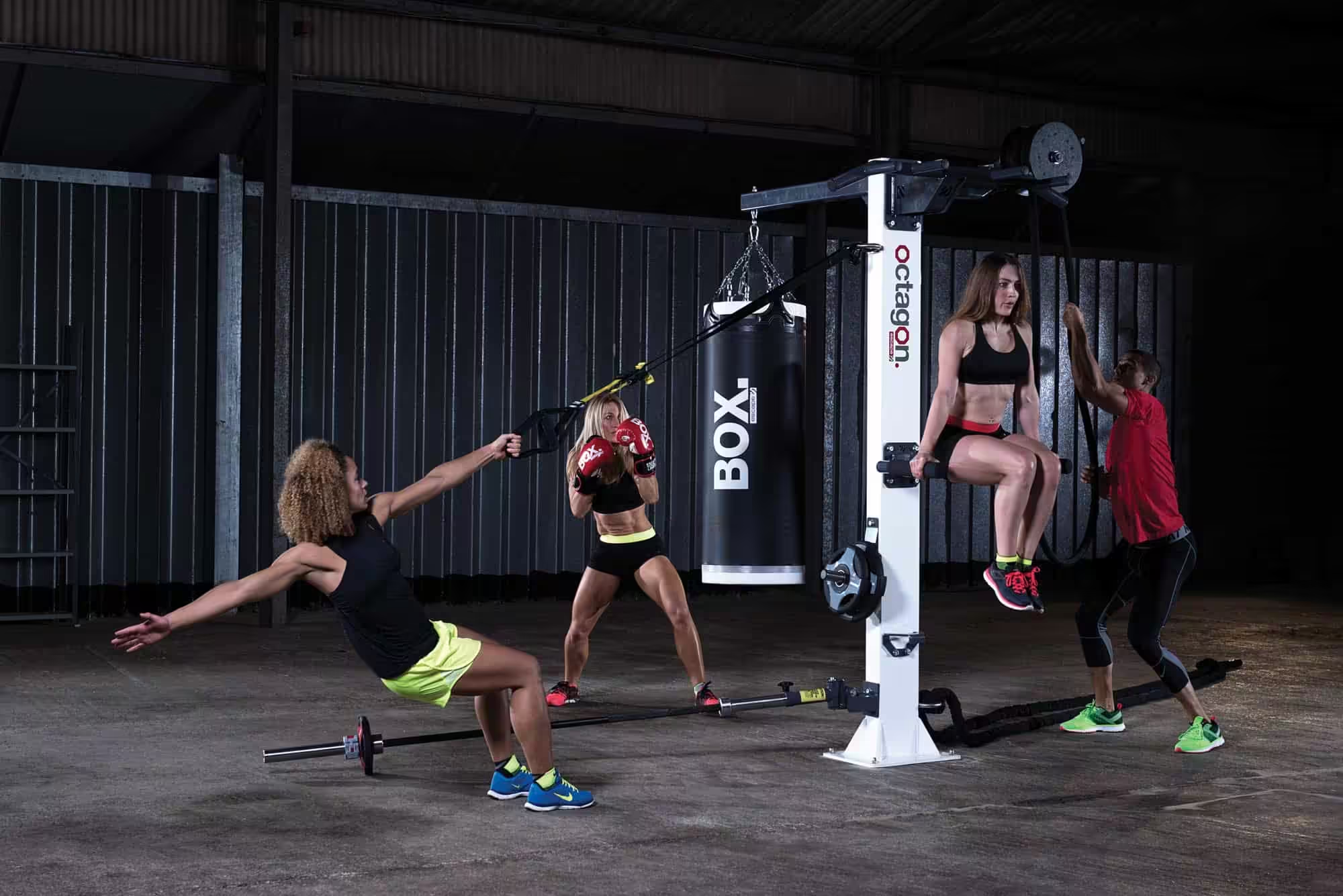
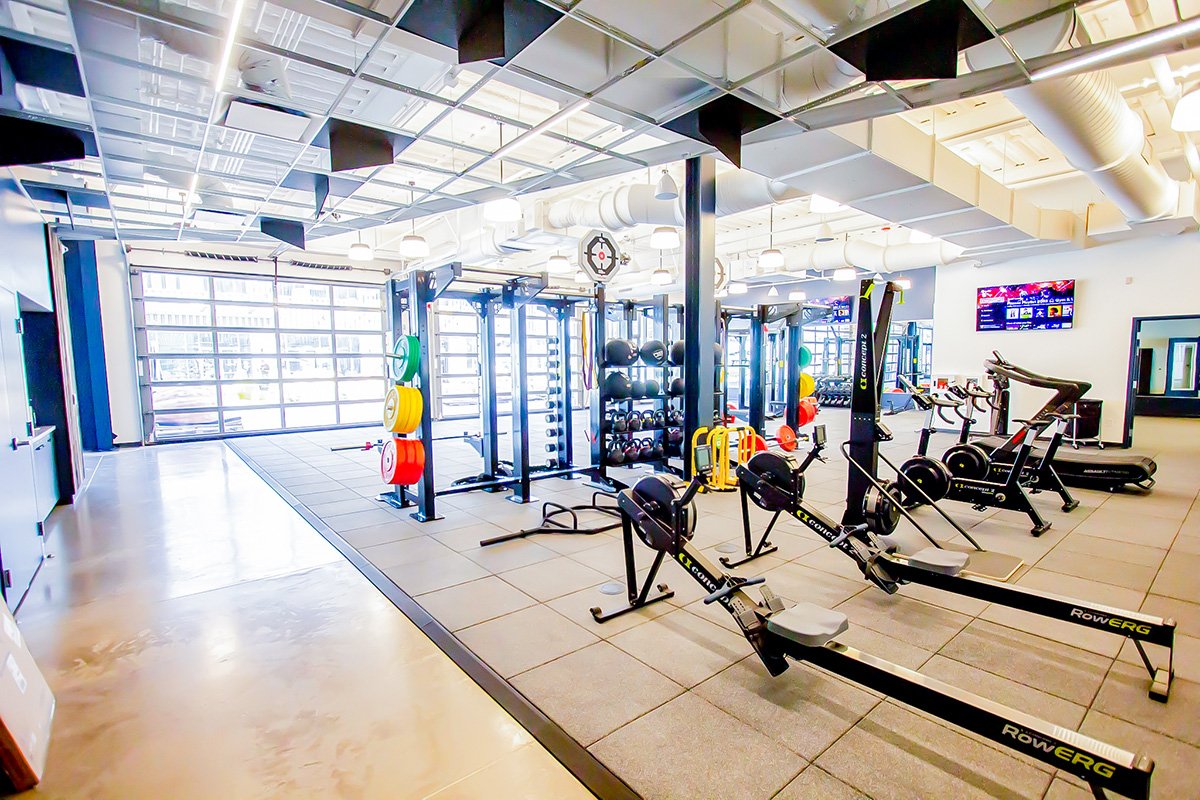
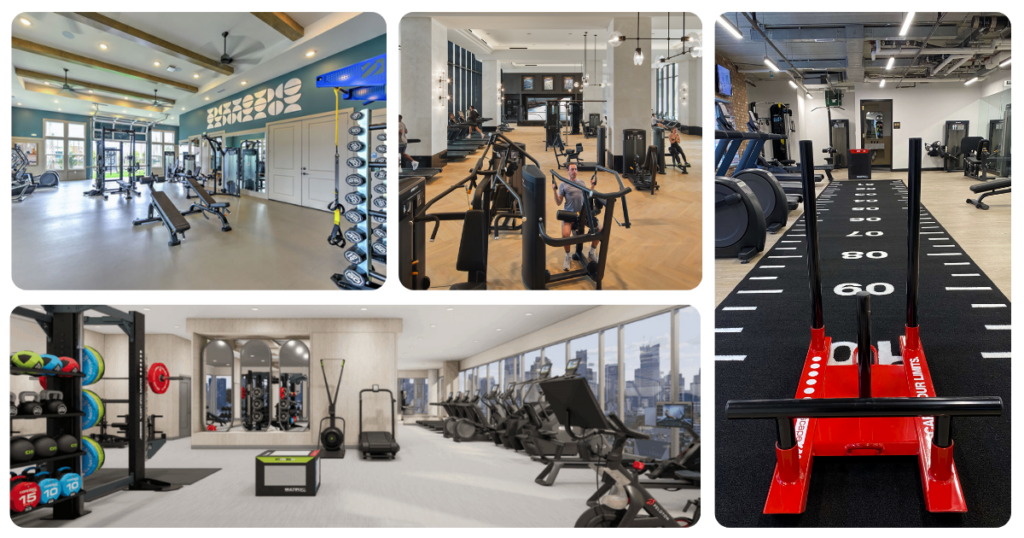
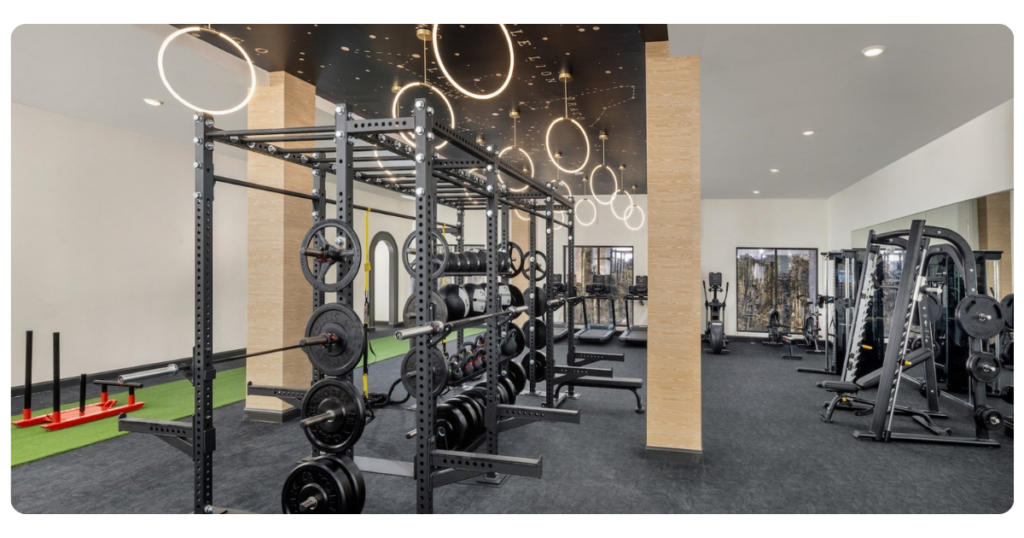
Training habits have shifted meaningfully over the past decade, and a lot of facility layouts haven’t caught up. Free weight zones have grown. Functional training areas (like turf, sleds, rigs, or suspension trainers) have gone from an optional feature to an expected amenity. Dedicated stretch and recovery space is now something exercisers actively look for.
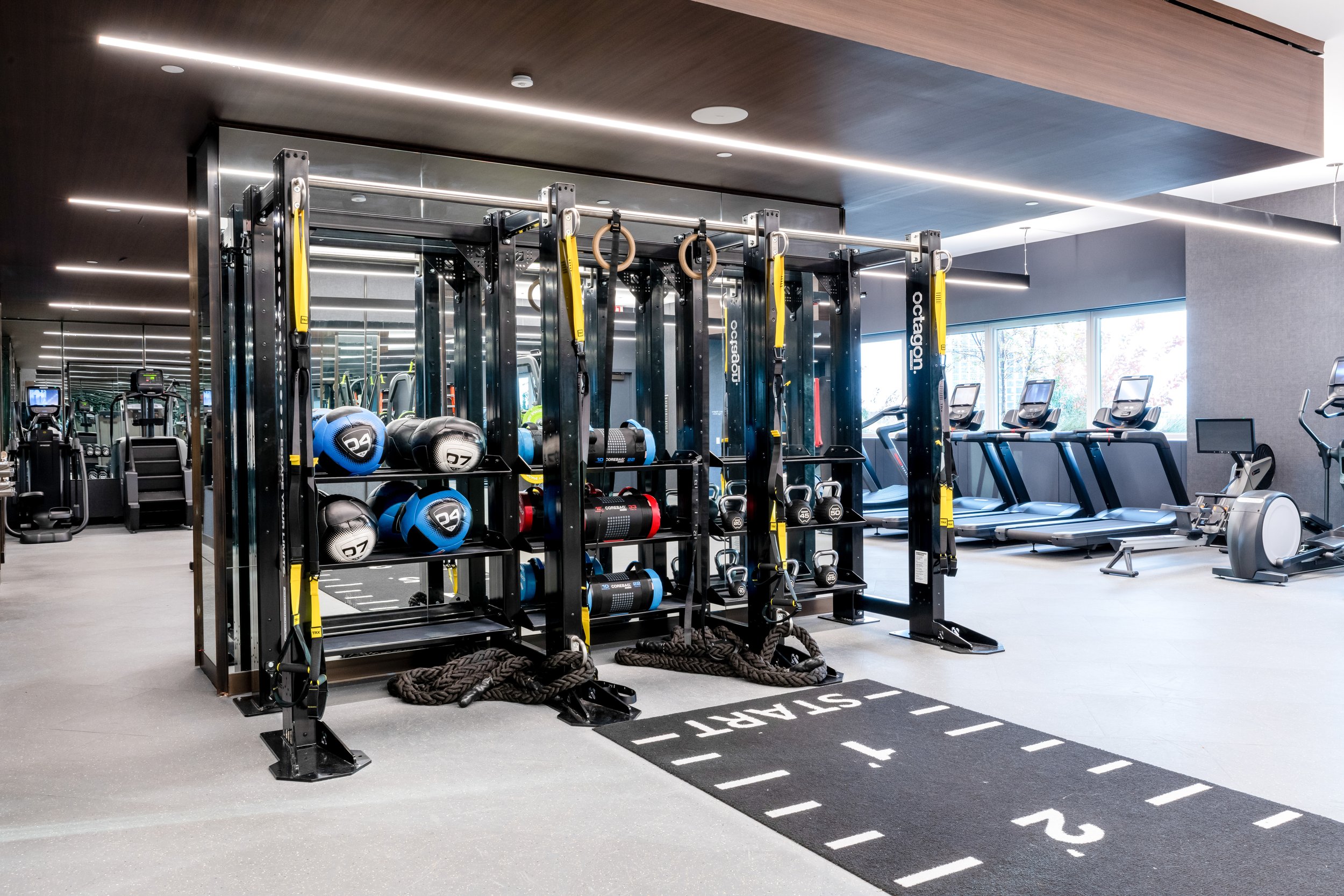
upgraded gym space

If your floor plan still reflects a training philosophy from ten or fifteen years ago (like with long rows of selectorized machines, and a small free weight corner tucked in the back), it’s probably under-serving the exercisers who use it most. This is one of the areas where a facility can look untouched and still be due for an upgrade.

Sign 5. Is Your Flooring Worn, Cracked, or a Safety Hazard?

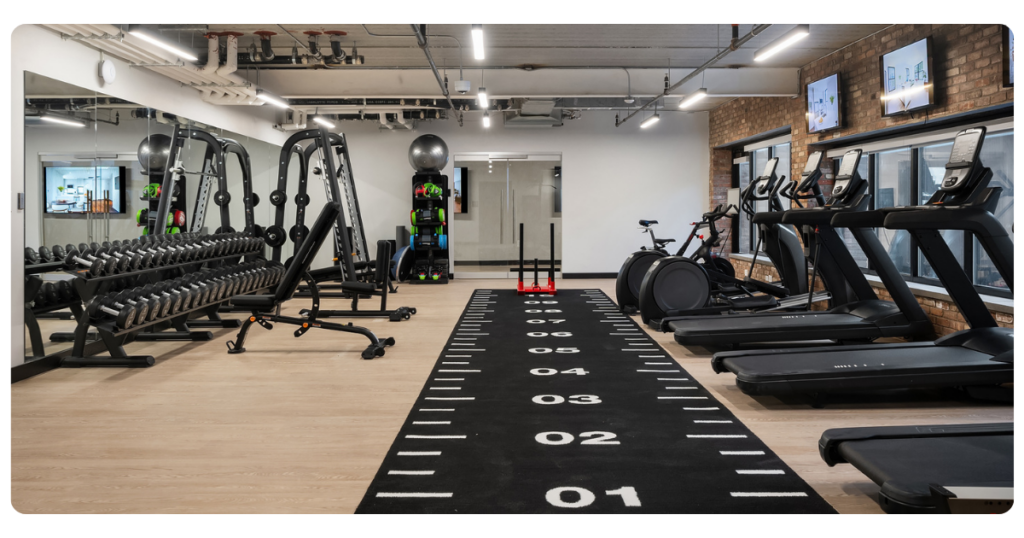
Gym flooring is the most overlooked piece of a fitness facility and one of the first things exercisers notice, even if they can’t articulate why the space feels tired. Worn seams, compressed padding under free weight areas, and cracked rubber tiles are both cosmetic and liability issues. Watch out for:
gym space
  • Visible gaps, bubbling, or separation between tiles
  • Flooring that no longer absorbs impact under dropped weights
  • Odor or staining that cleaning can’t resolve
  • Uneven transitions between flooring zones that create trip hazards

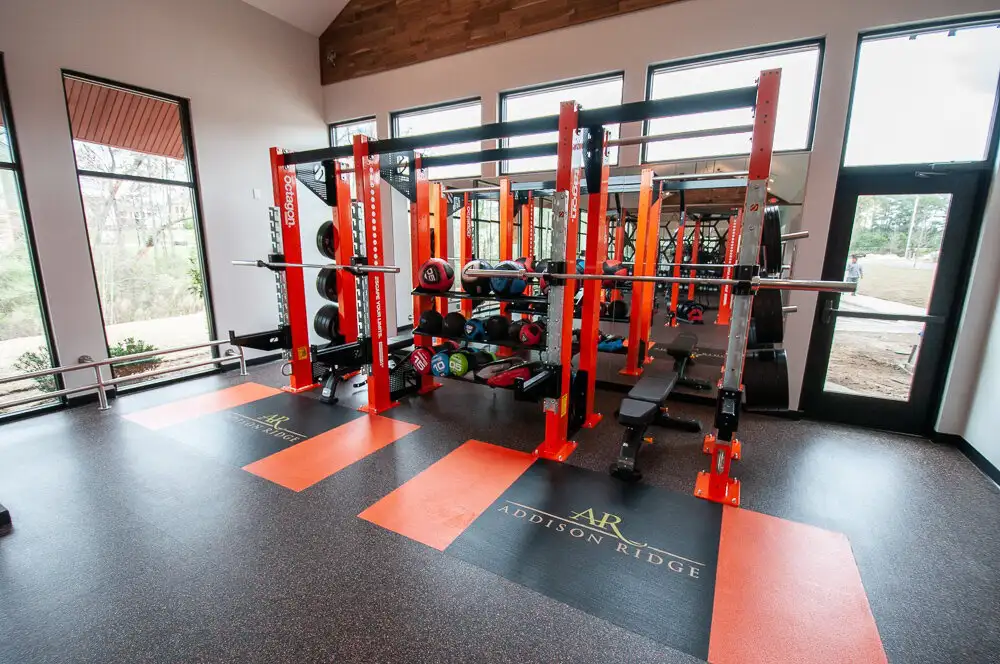
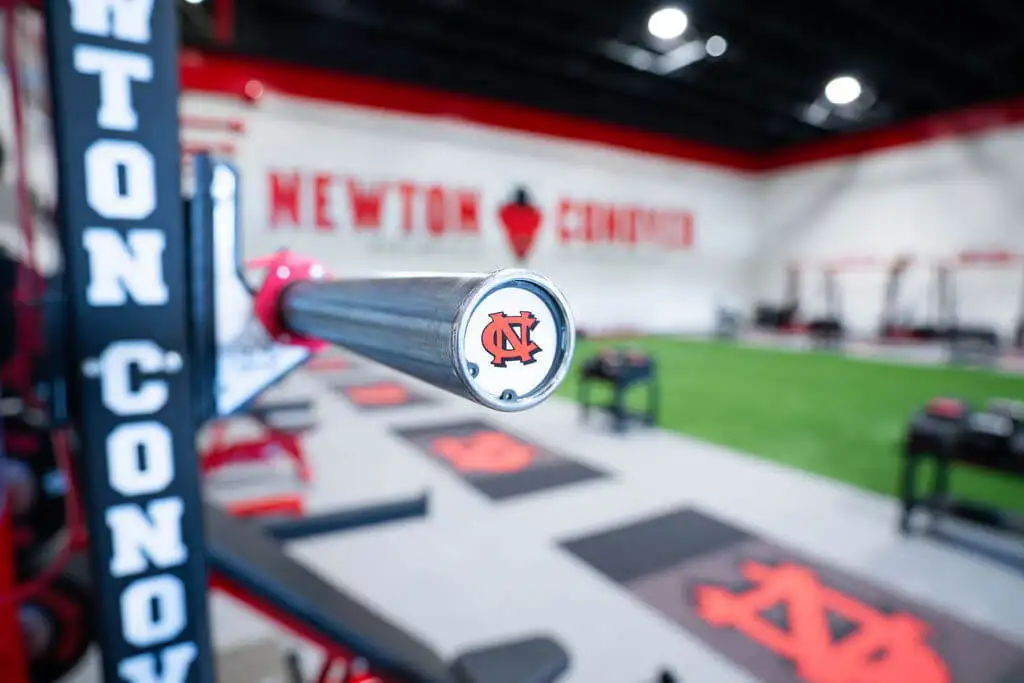
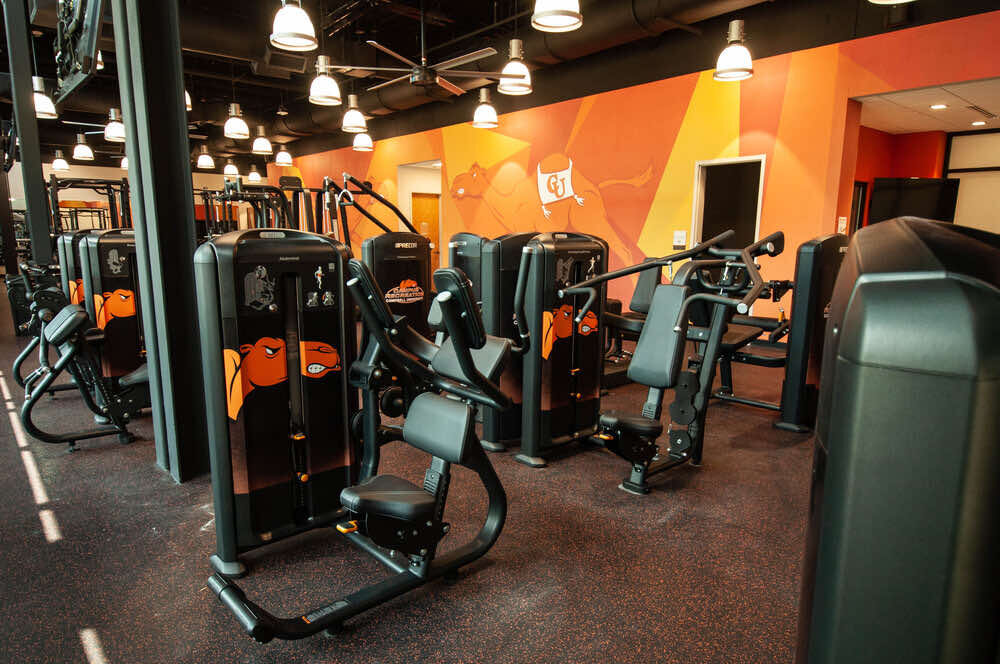
Flooring upgrades are also one of the more cost-effective ways to visually transform a space, since they touch nearly every square foot exercisers see and stand on. You may use this as an opportunity to add custom-branded flooring and other equipment to help your fitness center stand out

Sign 6. Are You Missing the Connected Fitness Equipment Modern Exercisers Expect?

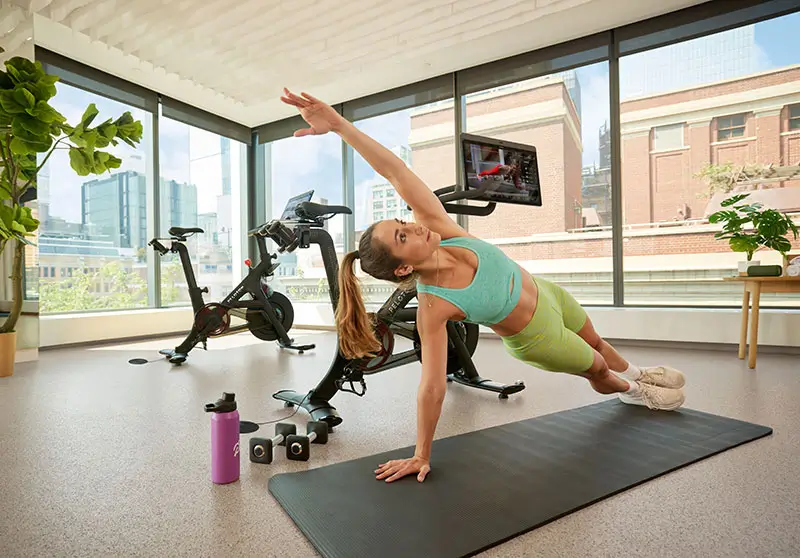
Exercisers who train at home or at boutique studios are used to screens, metrics, and app connectivity. When users walk into a facility and see equipment limited to basic time and speed displays, the difference is immediately noticeable. 
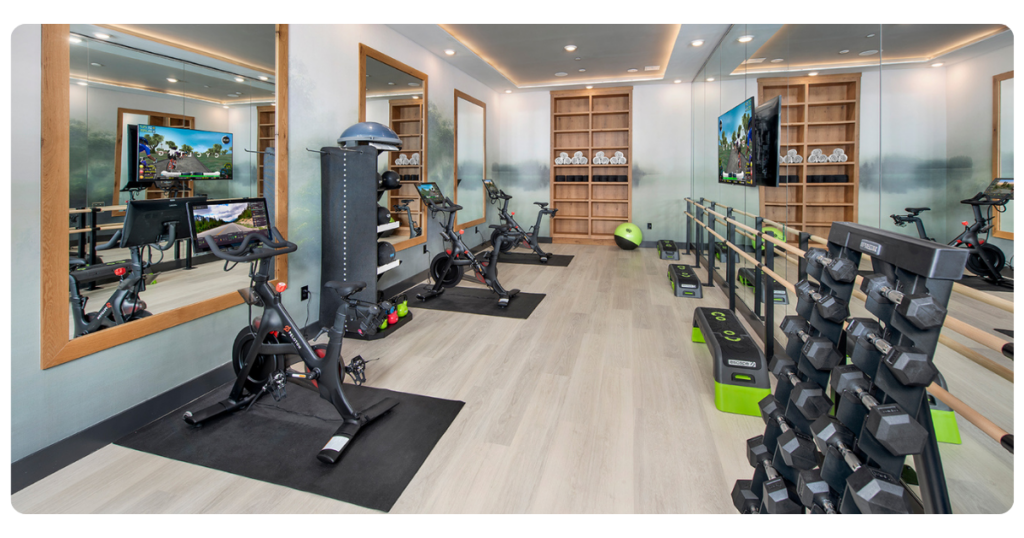
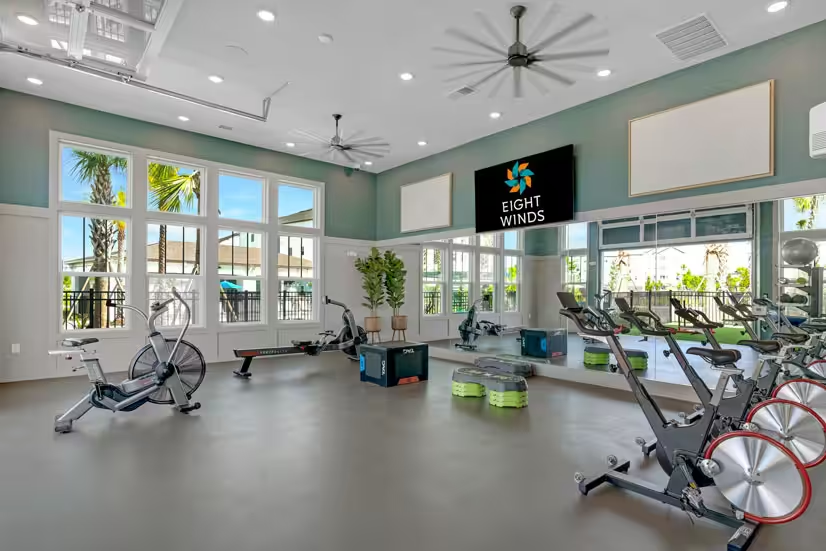
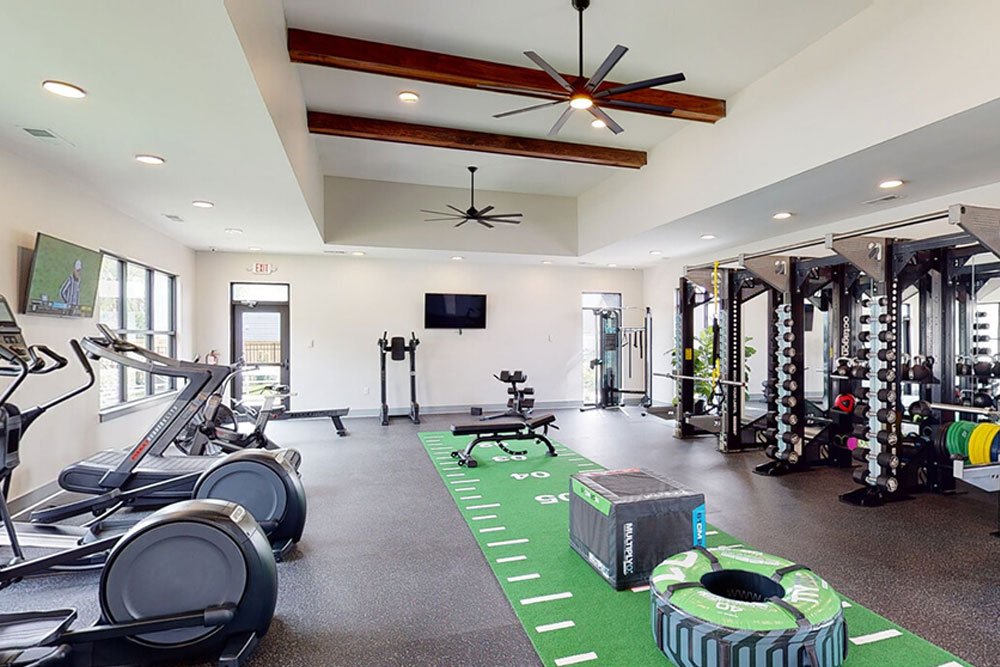
small gym space

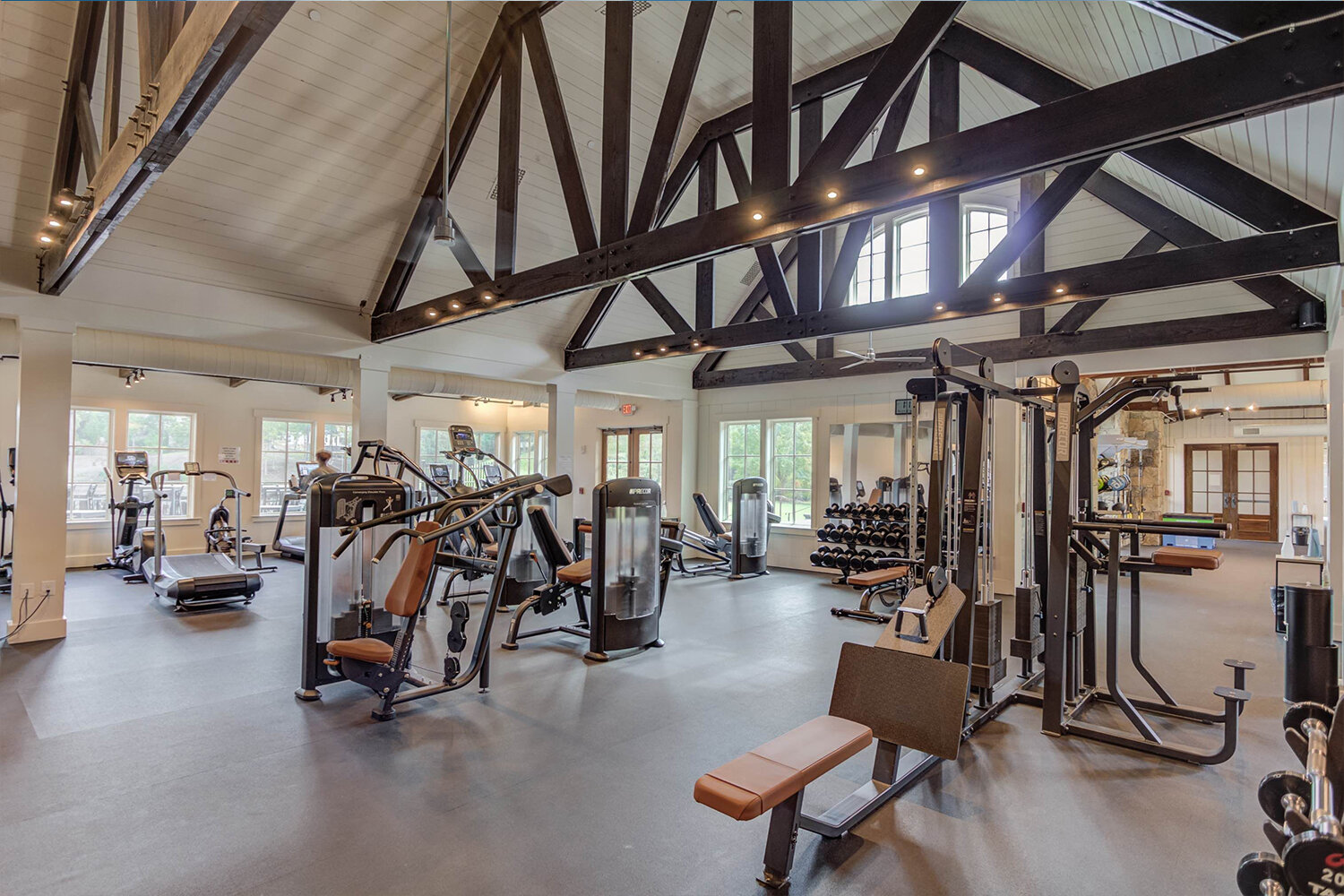
That doesn’t mean every machine needs a touchscreen—it’s about creating the right mix of technology and functionality. Facilities should have a deliberate mix of connected fitness equipment that meets modern expectations, balanced with reliable, low-maintenance options.

Sign 7. Is Usage Data Telling a Different Story Than It Used to?

Does your monthly return, class sign-ups, or check-in data show a slow decline? Declining usage is often the earliest quantifiable warning sign of a facility that needs attention. A few patterns worth watching for include:

  • Peak hours are shrinking or shifting to fewer days.
  • Certain equipment or zones show almost no usage.
  • New residents, employees, or exercisers use the facility briefly, then stop.
  • Group fitness or programming attendance is dropping even with consistent instructors.

Usage data won’t tell you exactly what to fix, but it will tell you that something needs fixing.

Sign 8. Are You Losing People to a Facility Down the Street?

For apartments, corporate buildings, hotels, universities, and country clubs, the fitness center is a competitive differentiator. Prospective residents tour multiple properties. Job candidates compare benefits packages. Exercisers compare clubs. The facility with newer, better-maintained equipment is acting as a marketing tool to passively attract growth.
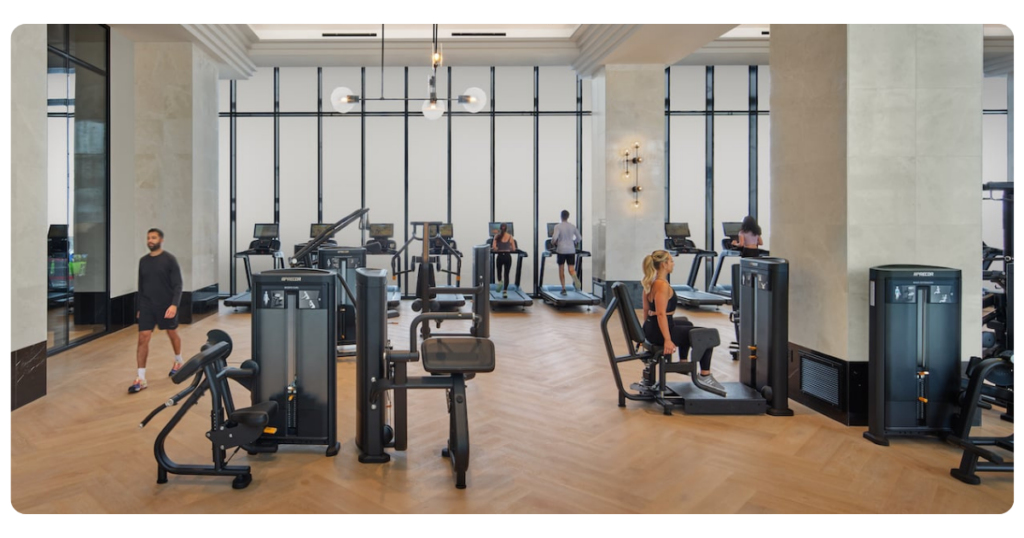
Fitness Equipment in use

If leasing agents, HR teams, or membership staff are fielding comments about a competitor’s newer gym, that feedback should be taken seriously. It’s often one of the clearest signals that the fitness space has started working against retention instead of for it.

Sign 9. Have There Been Safety Complaints or Near-Miss Incidents?

Some facility issues shouldn’t wait for the next budget cycle. Frayed cables, unstable benches, slippery flooring, and overcrowded lifting areas are safety concerns, not just aesthetic ones. If your staff has received repeated complaints or experienced near-misses, it may be time to address these issues before they become more serious problems.

Unless you are planning an immediate, sweeping facility upgrade, you should treat safety-related concerns as a priority. You can discuss your larger plans and concerns with a fitness upgrade provider, who may be able to put design plans in motion while addressing current safety concerns. 

If Any of This Sounds Familiar, ASF Can Help

Advantage Sport & Fitness helps fitness facilities across the East Coast get the upgrades they need with our services, including gym design and planning, equipment delivery and installation, maintenance and repair, and leasing or financing. We are partnered with industry-leading equipment brands to help you achieve your vision for your fitness facility. 
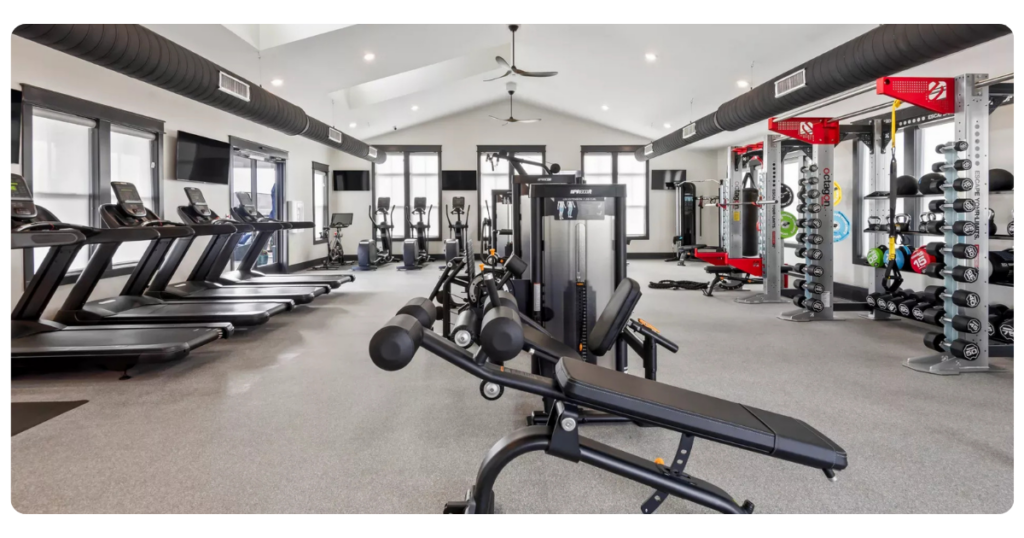
Fitness Equipment

Whether you need a full redesign, a targeted equipment refresh, safety upgrades, custom-branded equipment, or simply a second opinion on what’s worth fixing first, our team has likely seen your situation before. We can assess your existing spaces and work with you to map out upgrades that fit your budget, priorities, and timeline. 

Our team invites you to view our portfolio or contact our team to start the conversation today.

Frequently Asked Questions

There’s no single timeline that applies to every facility. Cardio equipment in a high-traffic commercial setting often needs replacing every three to five years, while well-maintained strength equipment can last a decade or more. Flooring and layout typically benefit from a review every five to eight years. Usage patterns and complaint volume are usually better indicators than the calendar, and an annual walkthrough audit is a simple way to stay ahead of it. Read more in our guide: How Often Does a Gym Really Need to Update Equipment?

A refresh is a targeted update (like replacing worn equipment, adding a functional training zone, or redoing flooring in one area) without construction or a new build-out. A full renovation involves structural or layout changes, often permitting, and a longer timeline. Most facilities that are due for an upgrade fall into refresh territory rather than needing a ground-up overhaul. Explore our guide to Easy Upgrades to Refresh Your Fitness Space.

If a piece of equipment is breaking down repeatedly, repair costs are approaching what replacement would cost, or parts are hard to source, replacement is usually the better long-term investment. Equipment that no longer meets current safety standards should be replaced regardless of repair cost.

The cost of your project will depend on the scope. For example, a flooring refresh, an equipment swap, and a full layout redesign all carry very different price tags. Facility size, equipment mix, and whether any construction is involved all factor in as well. Because of that range, a professional assessment from an expert (like those at ASF) is a more useful starting point than a general estimate.

Often, yes. Phased projects (like replacing equipment in one zone at a time, for example) can usually keep most of the space accessible throughout. Larger renovations involving construction, new flooring, or layout changes may require closing a section, or the whole space, during upgrades. Planning around low-usage windows can help minimize disruption either way.

We proudly work with colleges and universities, K-12 schools, multifamily communities, hotels, country clubs, medical and wellness facilities, rec centers, sports performance facilities, among others. Because facility goals differ by property type, an upgrade plan for a university recreation center looks different from one for a boutique apartment gym, even if the underlying signs of wear are the same.
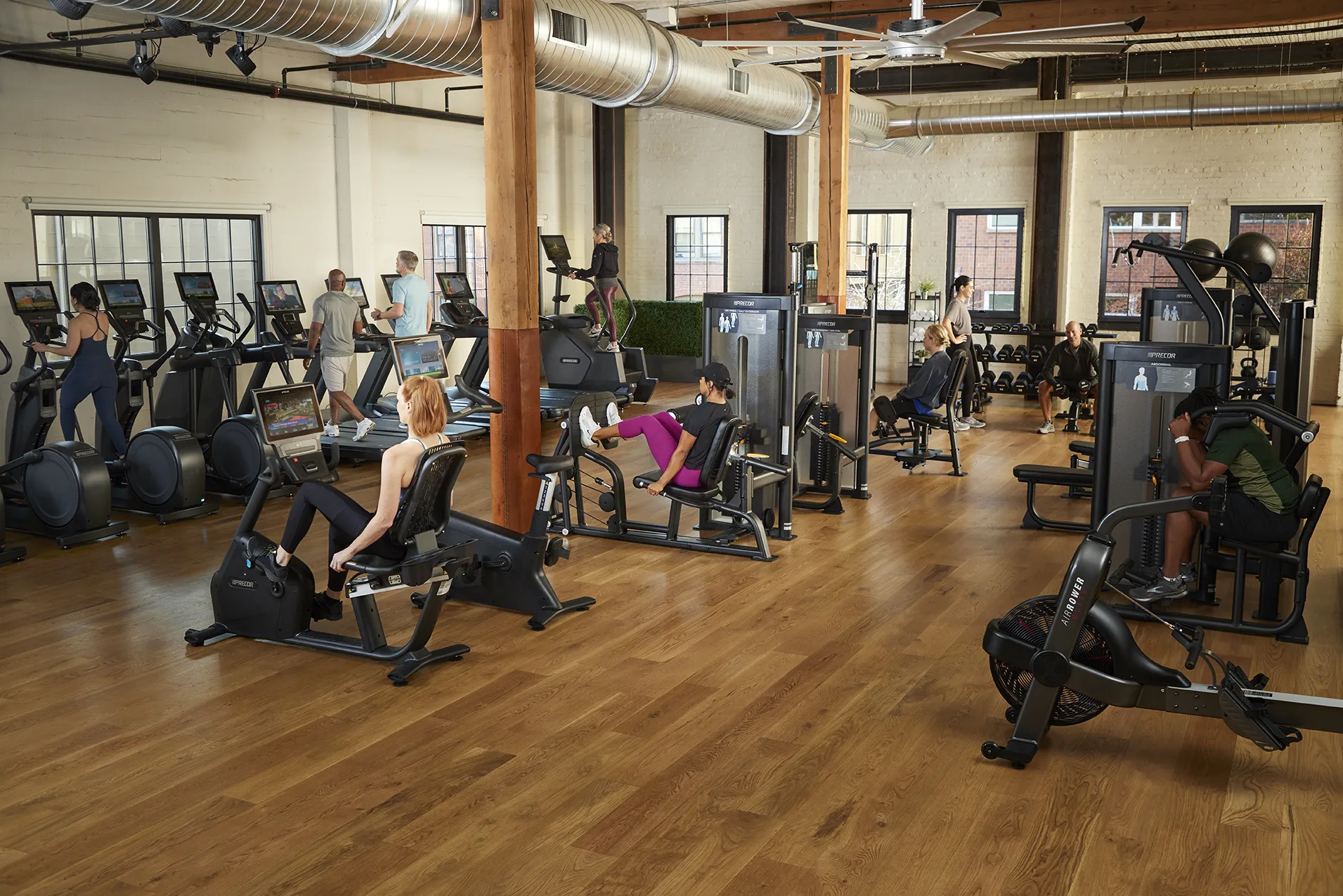

Ready to start your next project? Reach out to the Advantage team today.

Our services

We are ready to support your facility in every phase.

Partner Brands

Explore our collection of partner brands.

All Partner Brands
Case Studies

Examples of our work.

All Case Studies