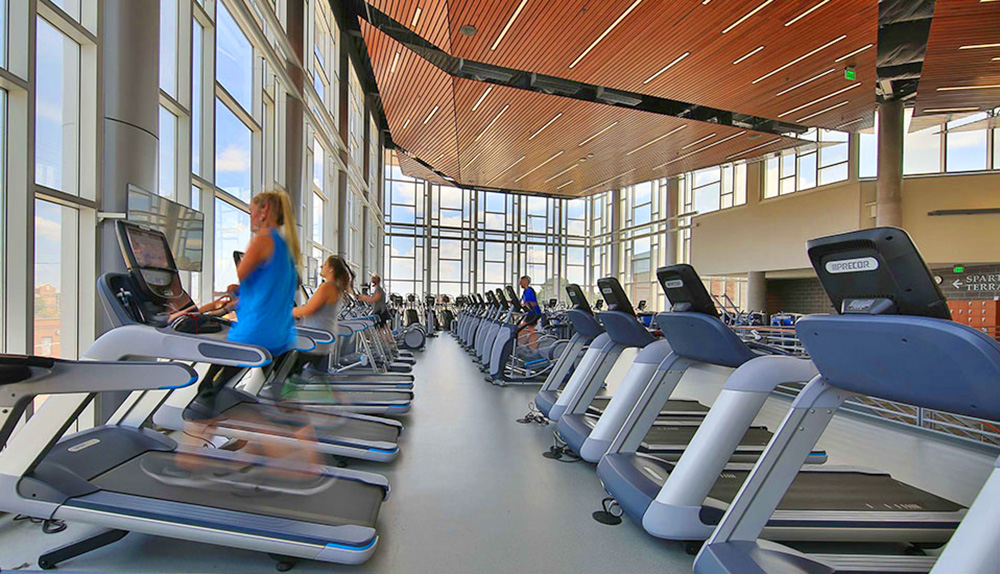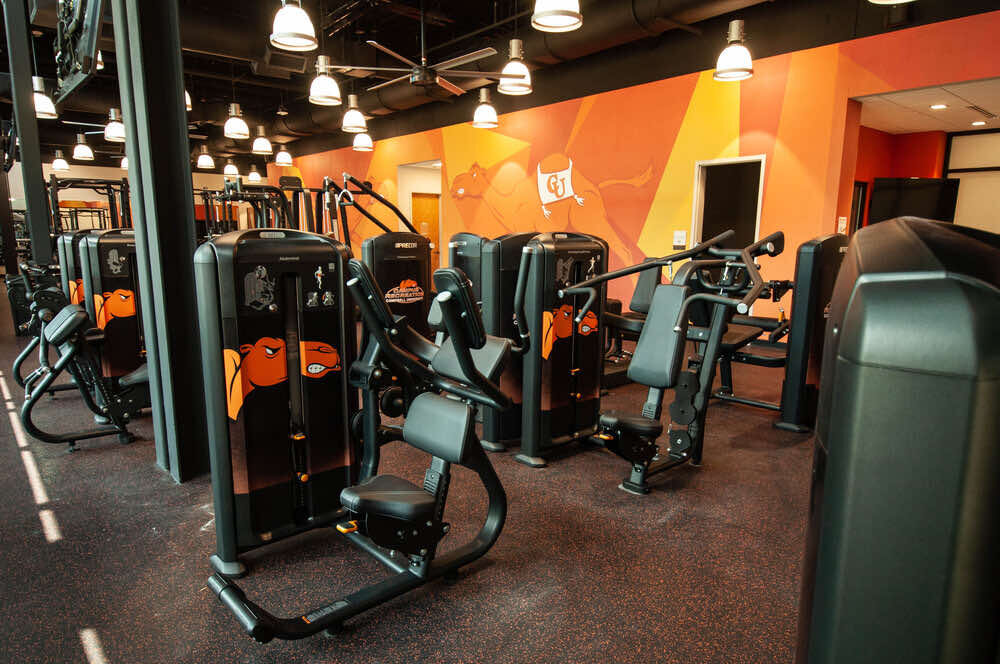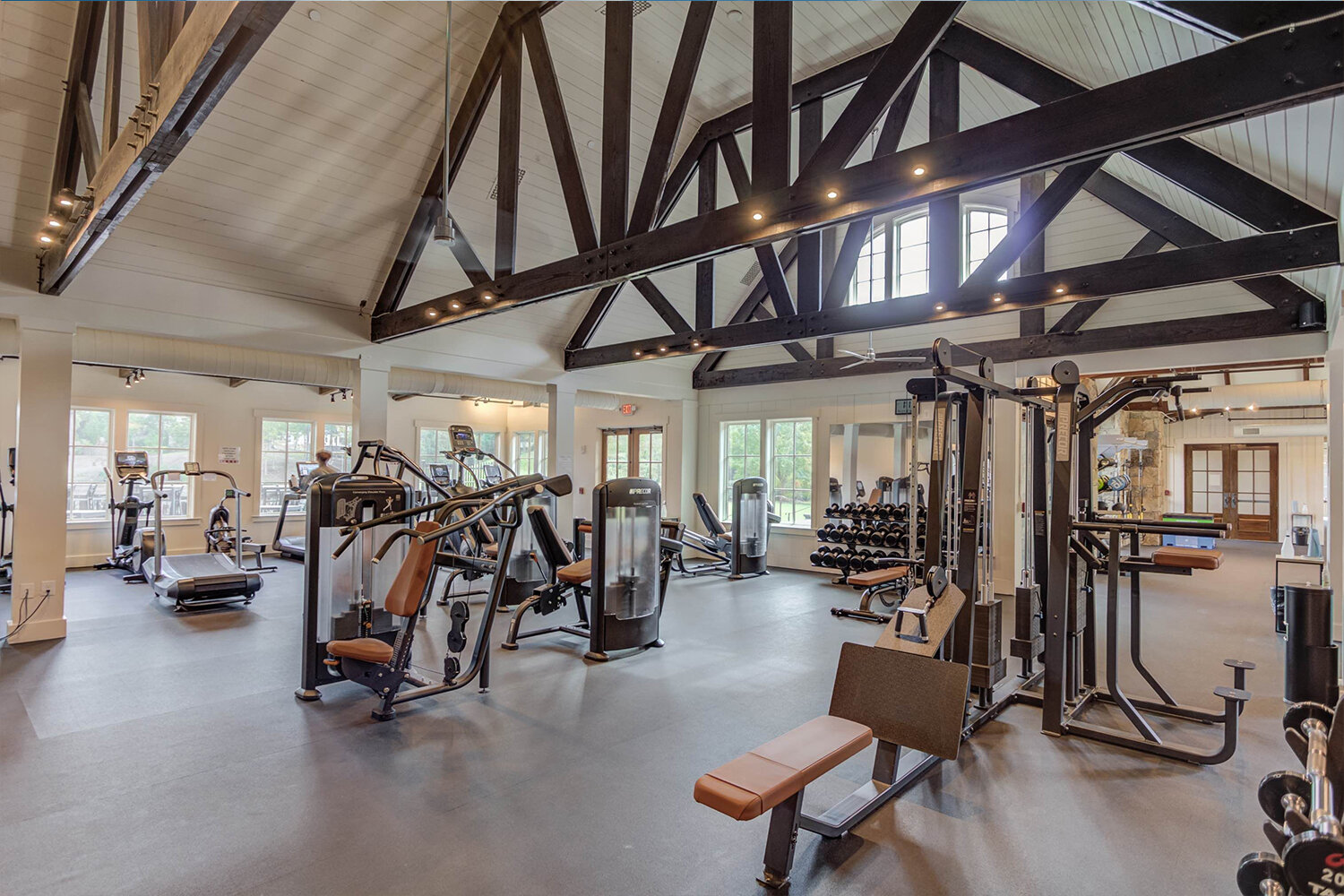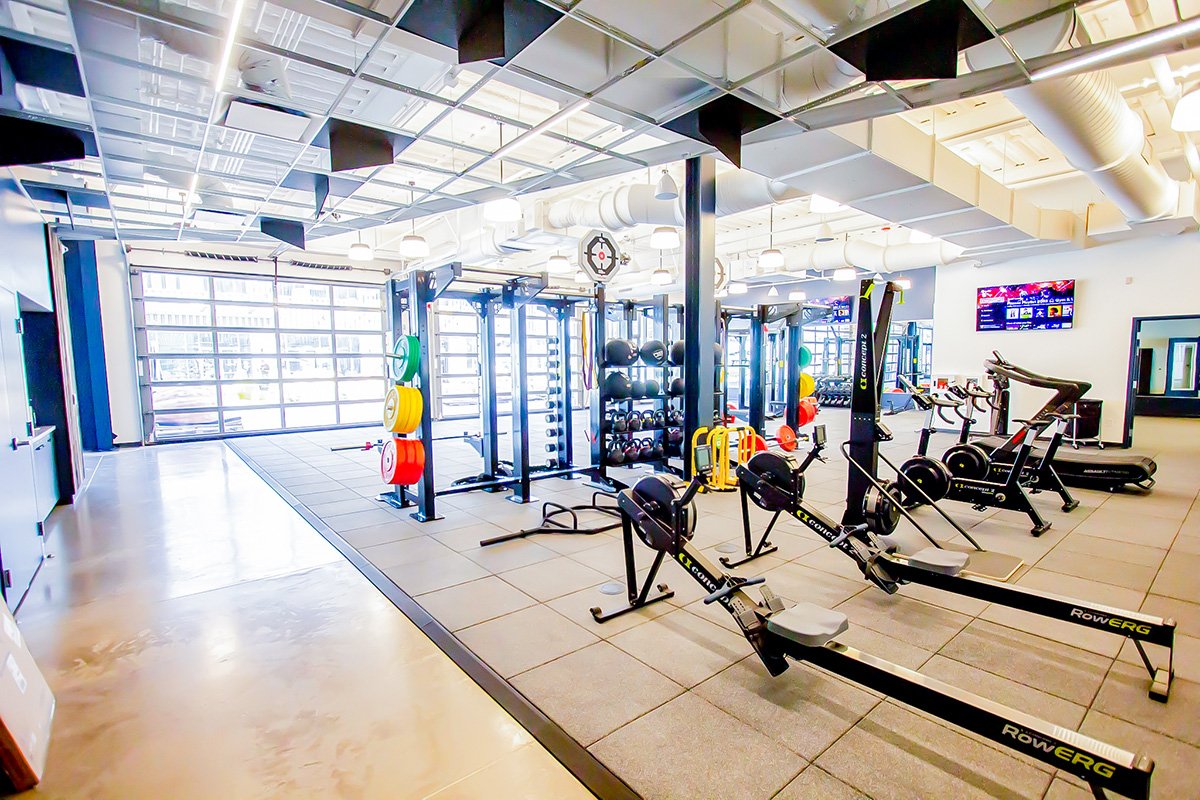
It is no secret that exercisers love their fitness trends. In the age of social media, where these trends come and go faster than ever before, gyms that aren’t built to bend can quickly break under the growing pressure of change.
In 2026, future-proof gym design is about building facilities that can adapt (operationally, technologically, and culturally) without requiring constant redesigns or disruptive renovations.
The fitness design and planning experts at Advantage Sport & Fitness (ASF) know the most successful projects share one trait: they are designed to evolve seamlessly. Let’s explore what future-proof gym design really means and how you can adopt it in your facility in 2026.
Key Takeaways
- Future-proof gyms prioritize adaptable layouts over fixed equipment counts
- Infrastructure planning matters more than trend-driven equipment, amenities, or features
- Strength, recovery, and multi-use spaces must coexist intentionally
- Technology should support operations, not dominate the floor
- Design decisions must anticipate how people will actually use the space
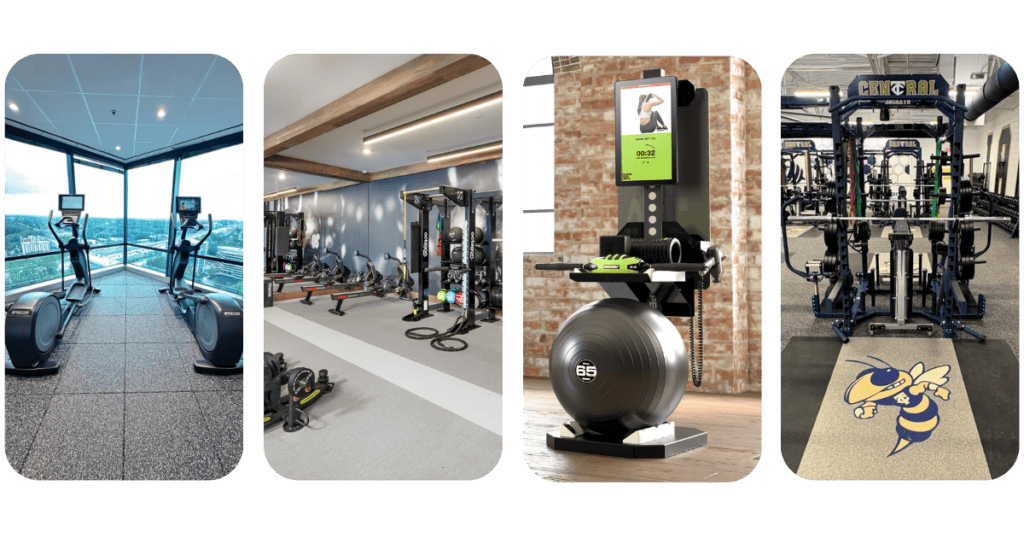
What Does Future-Proof Actually Mean for Gym Design in 2026?
In 2026, future-proof design means accepting that programming, technology, and user behavior will continue to evolve. As such, it is essential to build fitness spaces that can absorb that change with minimal disruption.
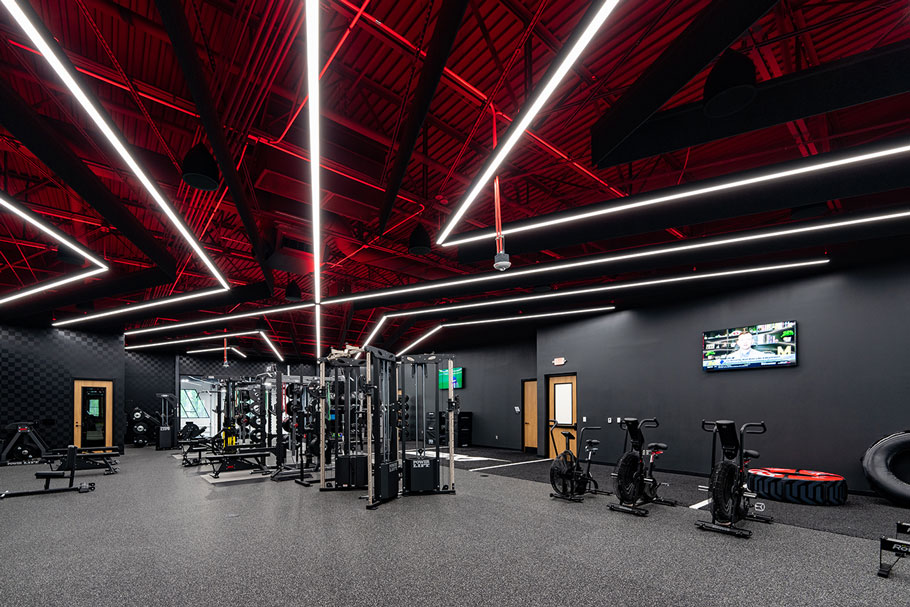
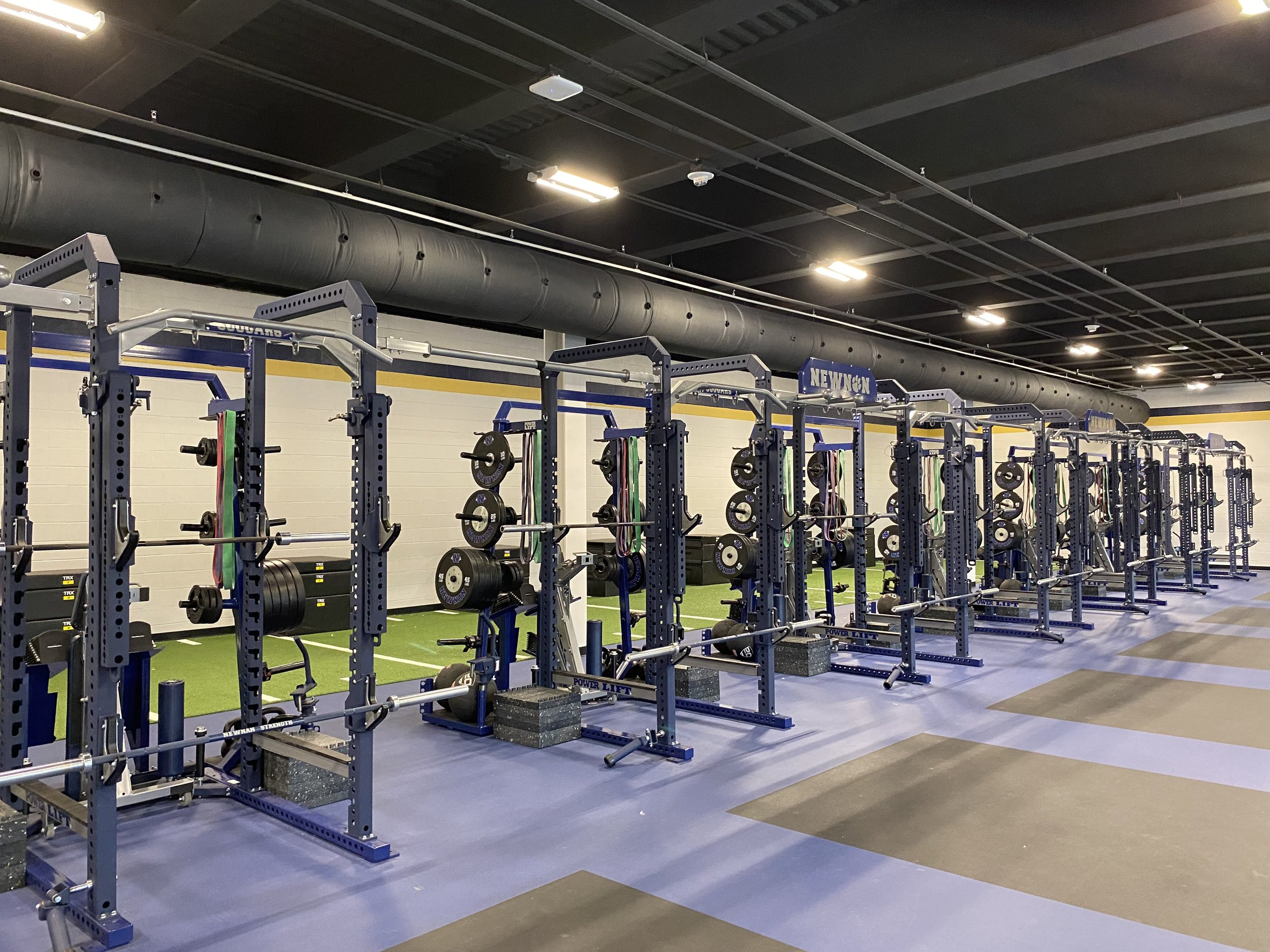
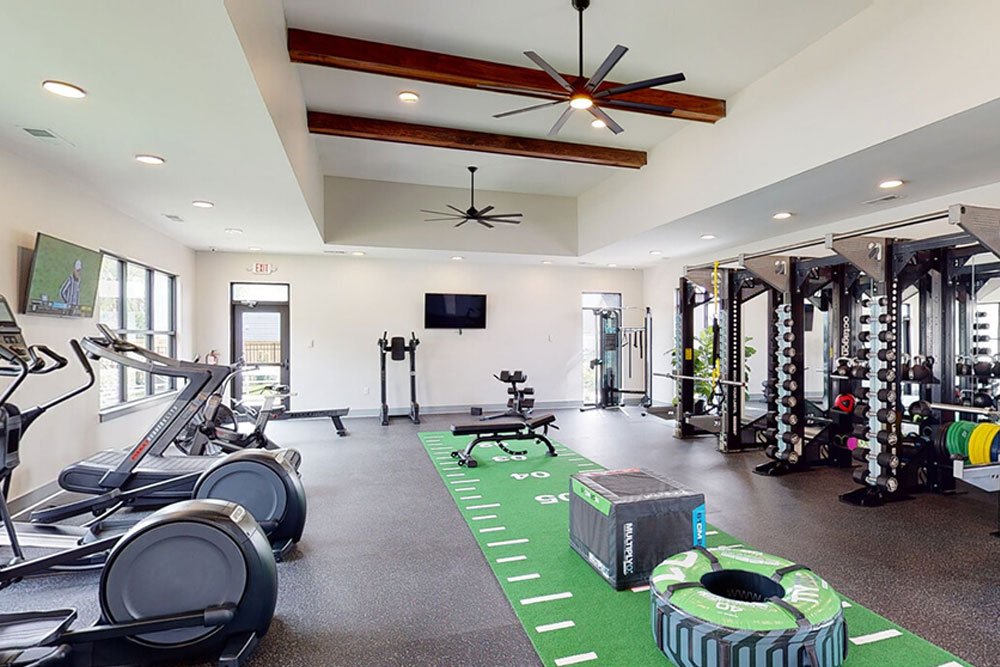
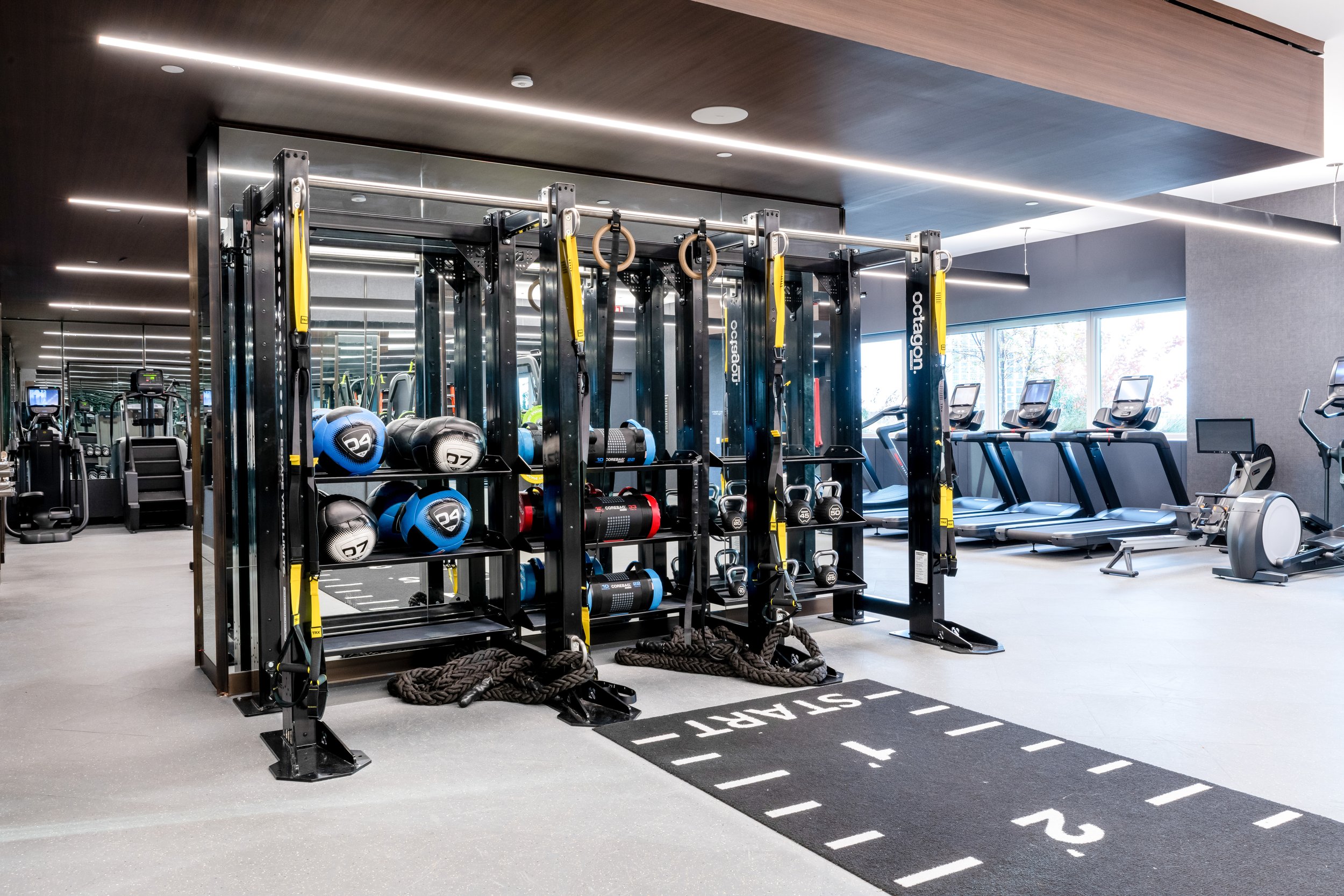
A future-proof gym is not locked into a single training philosophy. It doesn’t rely on one piece of “must-have” equipment. Instead, it uses flexible zoning, scalable infrastructure, and thoughtful planning decisions that remain relevant even as trends shift. What does this look like in real fitness spaces? Some examples include:
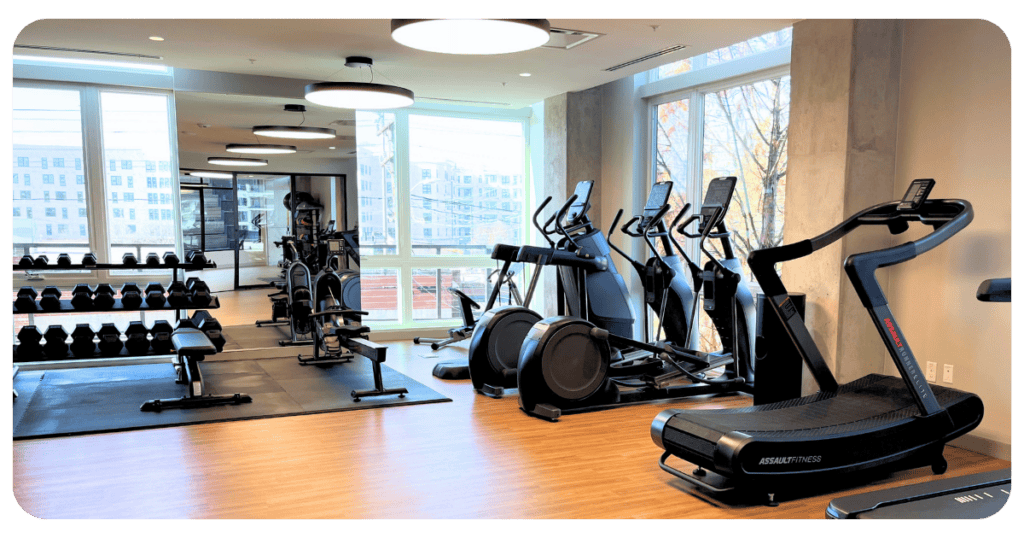
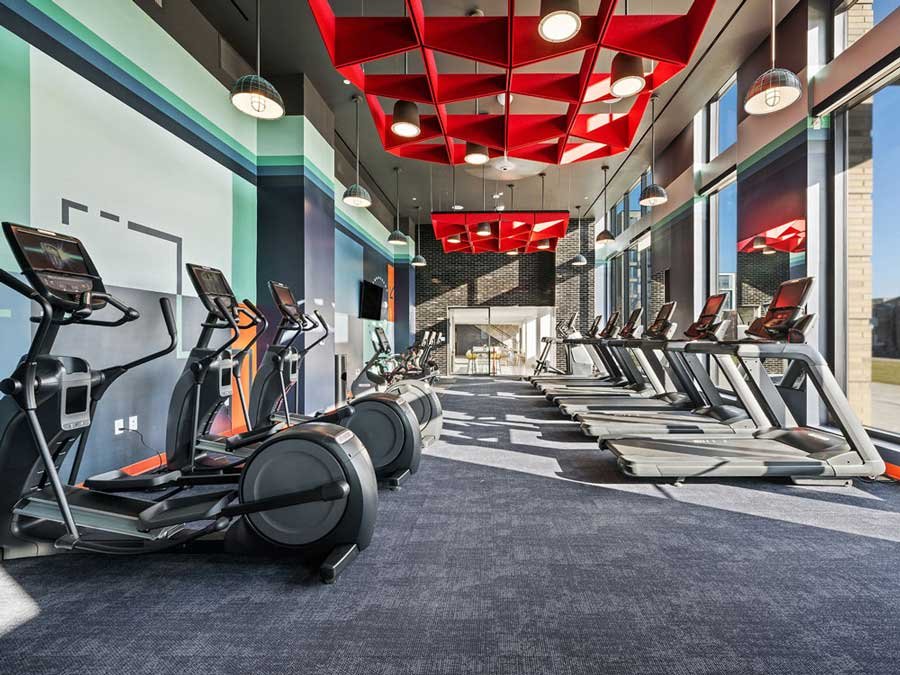
- Strategic and plentiful outlet placement, as seen in the King & Queen Towers fitness center design in Atlanta, GA.
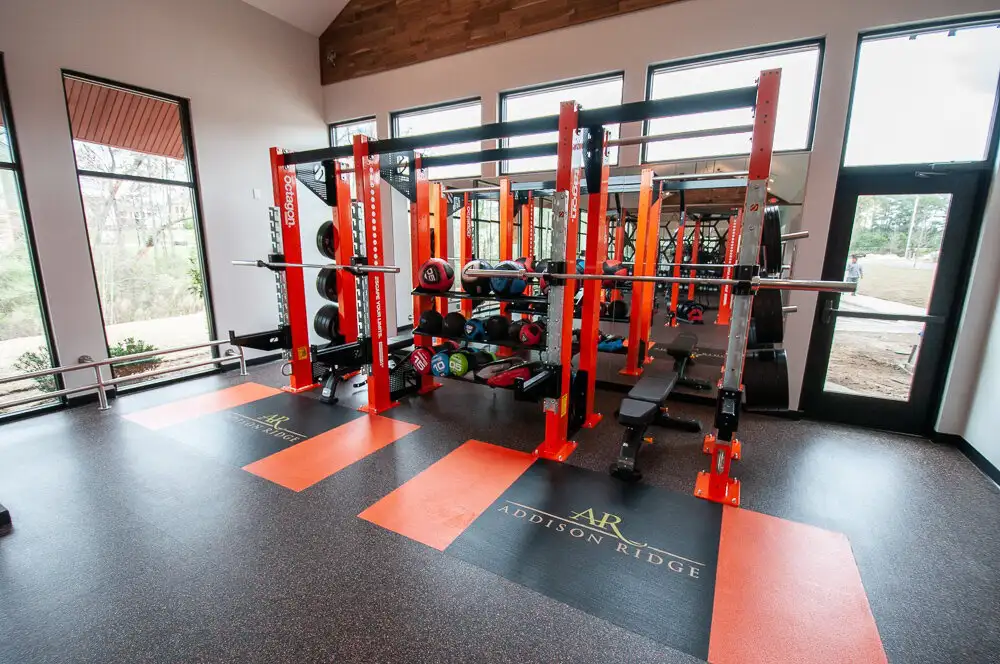
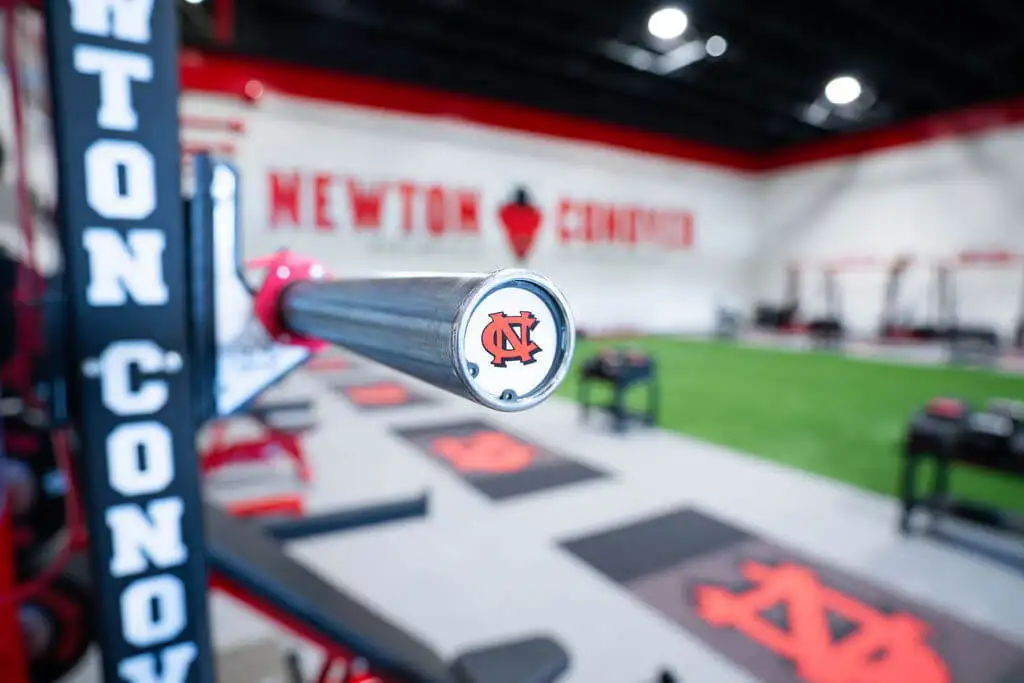
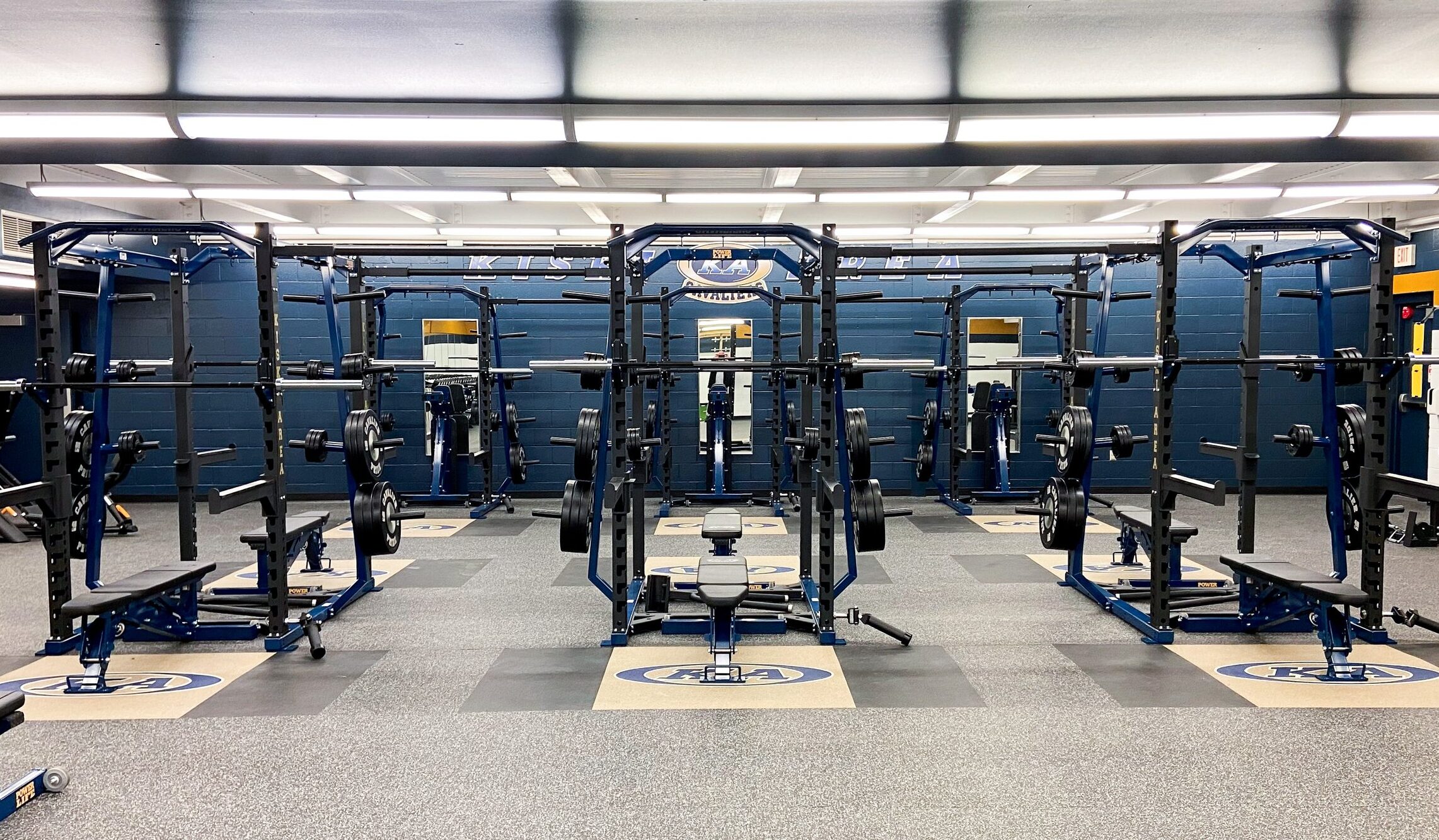
- Practical, adaptable, and durable gym flooring, as seen in the Knoch High School student wellness facility in Saxonburg, PA.
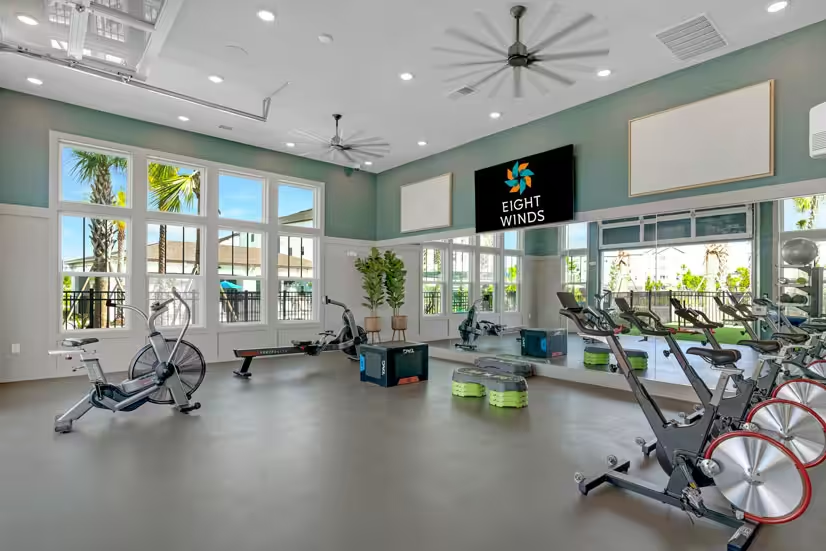
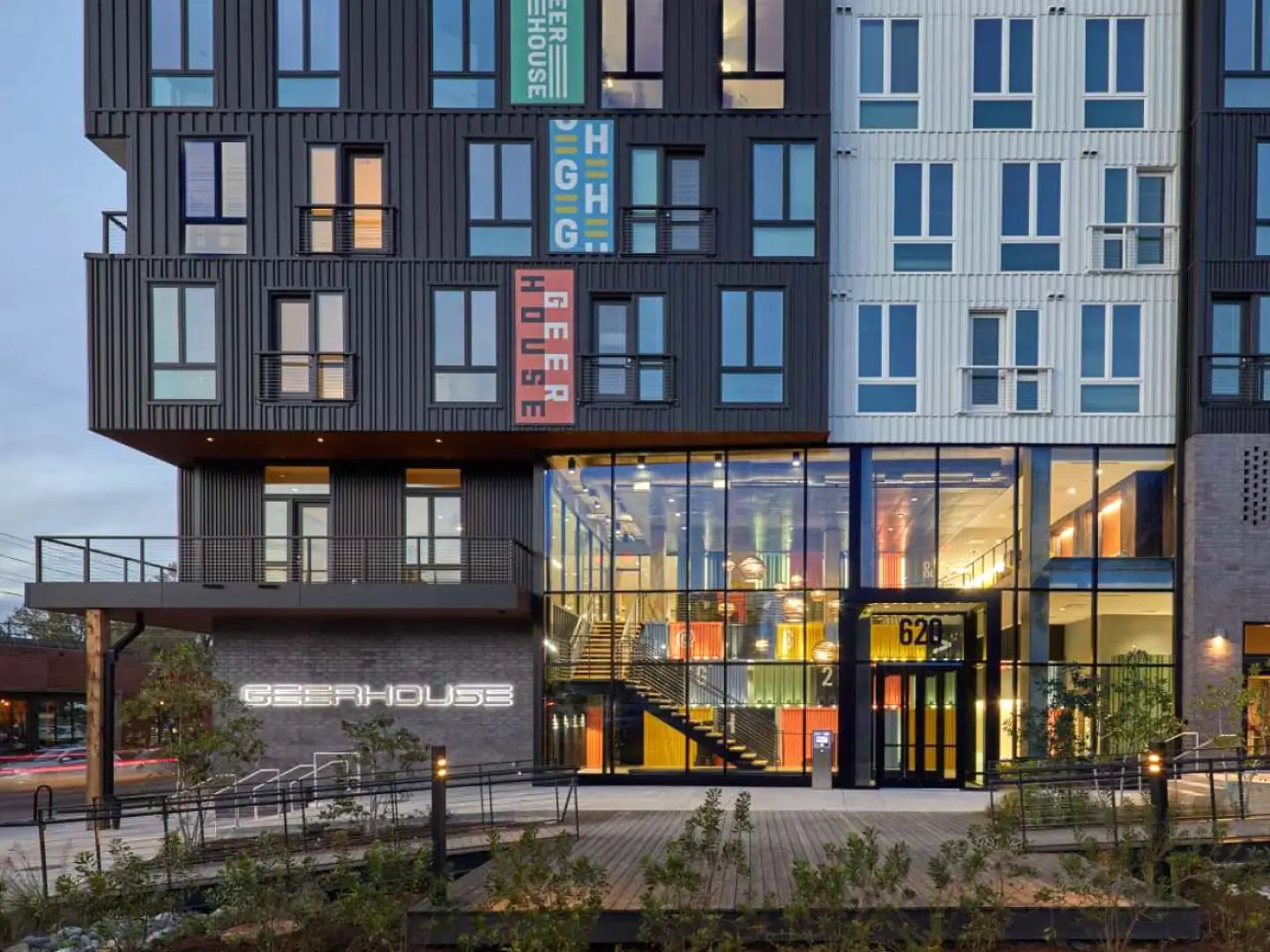
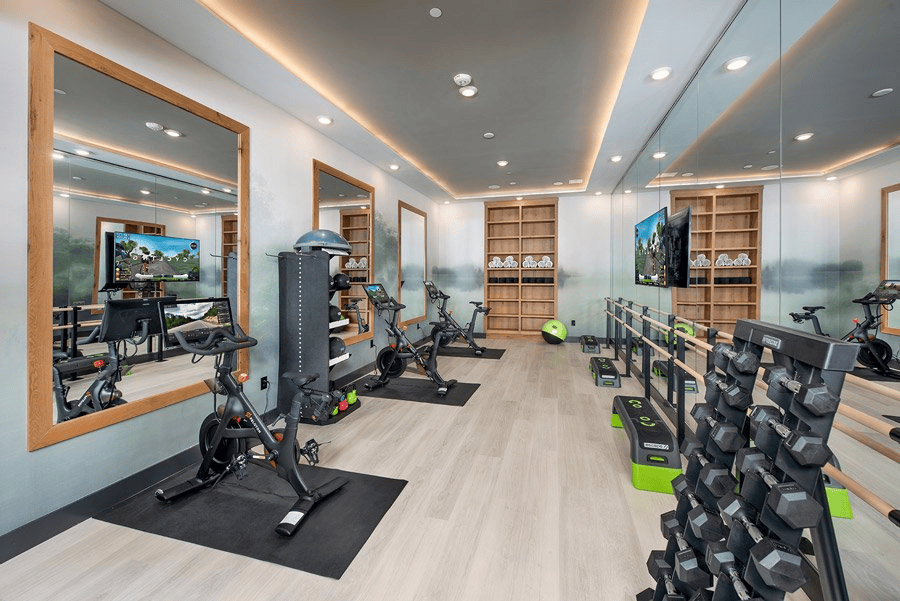
- Built-in flex spaces, as seen in the GeerHouse Apartments fitness center in Durham, NC.
These are just a few of the countless ways gym design can be future proofed. The best applications for you will depend on your industry, community, needs, and building specs.
Why Has Future-Proof Become a Priority for Gyms Now?
Cost pressure, faster trend cycles, and higher user expectations has turned more attention toward future proofing.
Facilities are under pressure to do more with less. Construction costs are higher. Budgets are tighter. Meanwhile, exercisers, students, and residents expect spaces that feel modern, intuitive, and inclusive. With the “latest and greatest” constantly shifting, gyms are struggling to keep up.
The result: fitness spaces that are expensive to build and difficult to update become liabilities. Future-proof design protects the long-term business value.
How Does Layout Flexibility Drive Longevity?
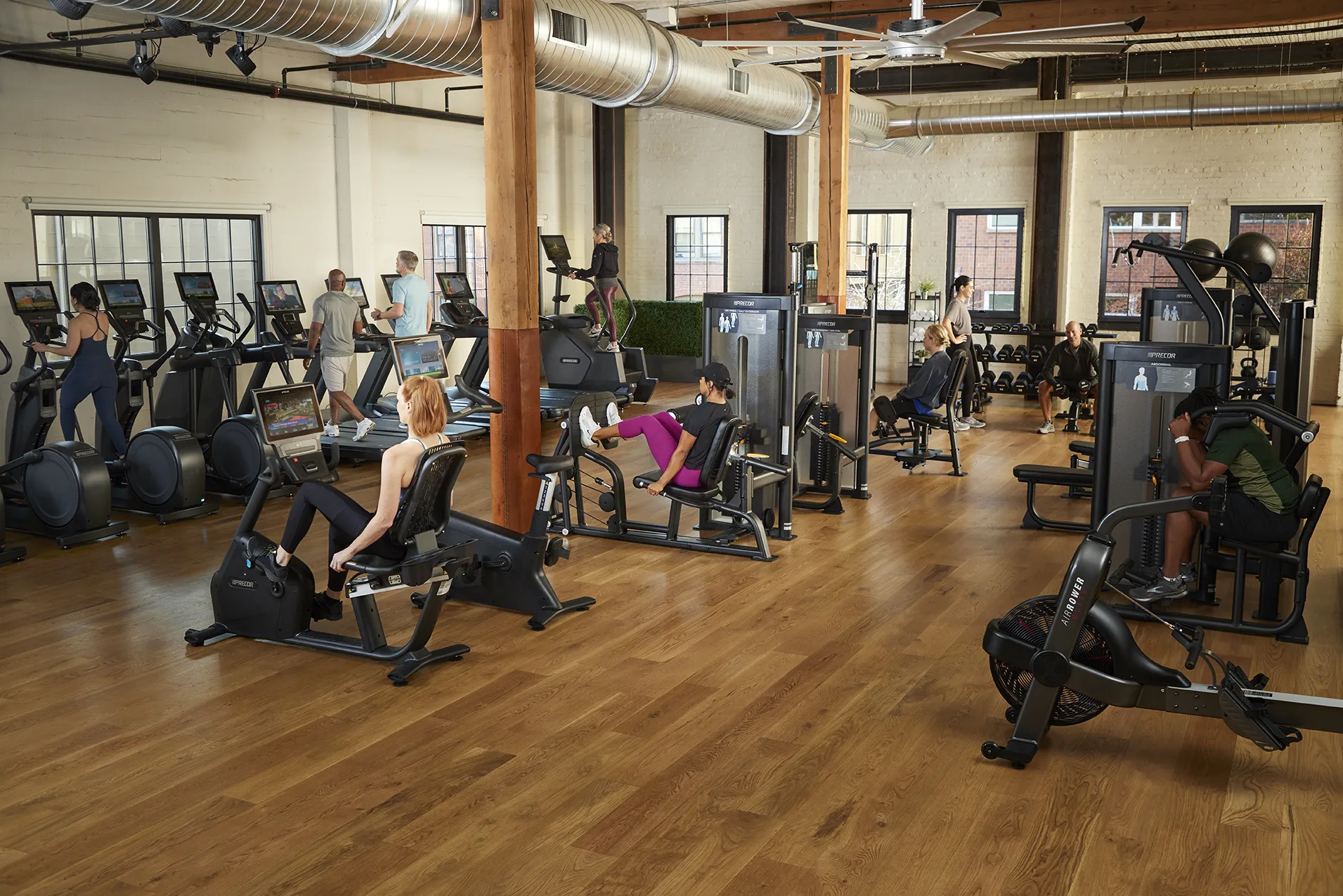
We are seeing a clear shift away from rigid, equipment-dense floors toward purpose-driven zones. Purpose-driven zones are clearly defined areas of the gym designed around how members actually train and move. These zones can include:

- Strength and free weight areas designed for multiple skill levels.
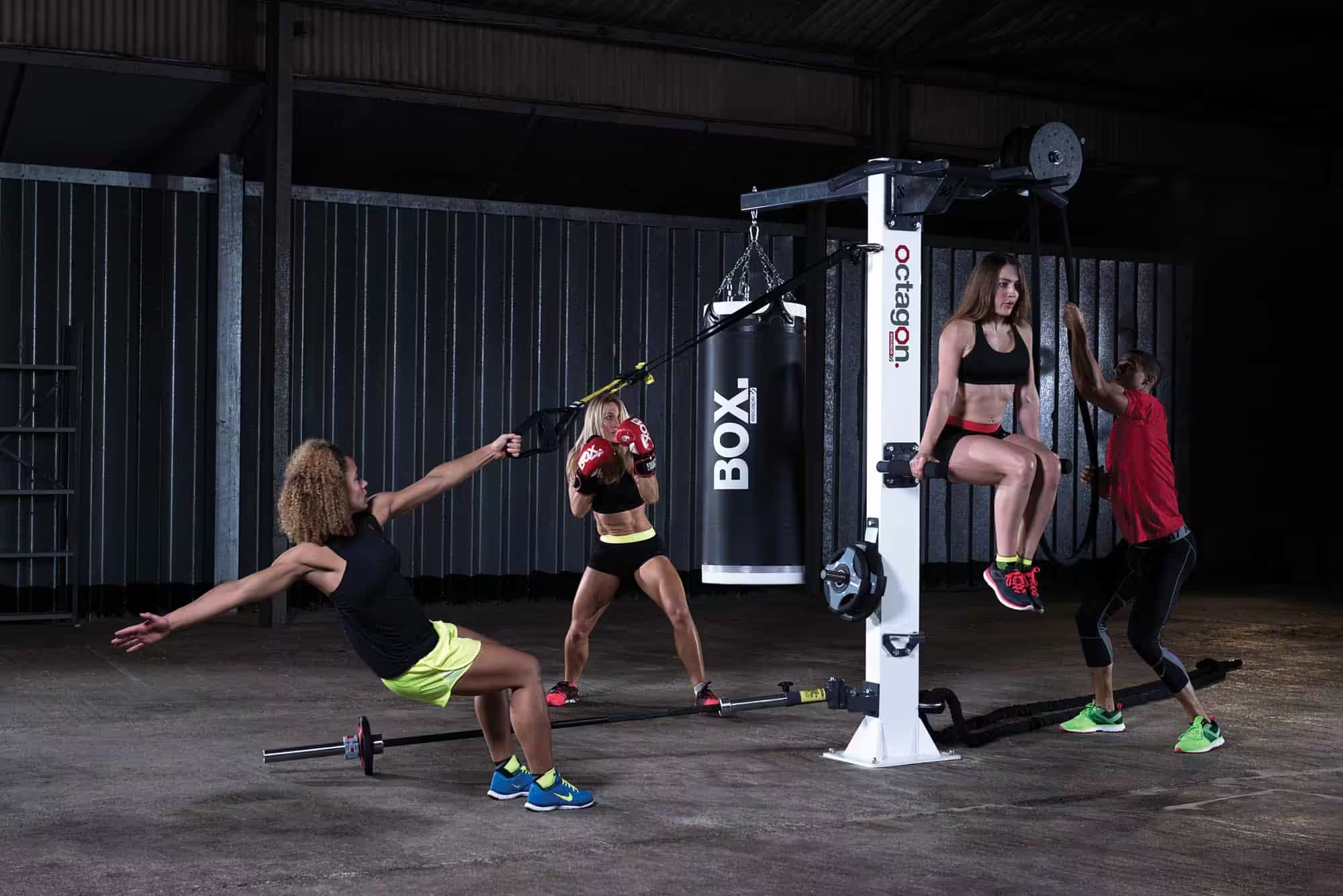
- Functional training zones that can host classes, small group training, or open use.
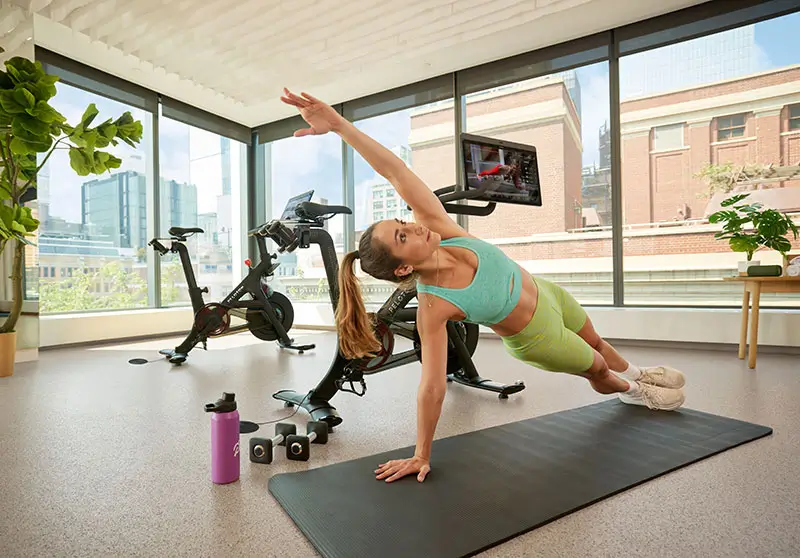
- Recovery and mobility spaces that support longevity and injury prevention.
Future-ready spaces don’t use strict walls or layouts that make changes hard later. Instead, they use open floor plans, clear views across the room, smart equipment placement, and flexible setups. This makes it easy to update or rearrange the space without having to redo everything.
What Role Does Strength Training Play in Future-Proof Design?
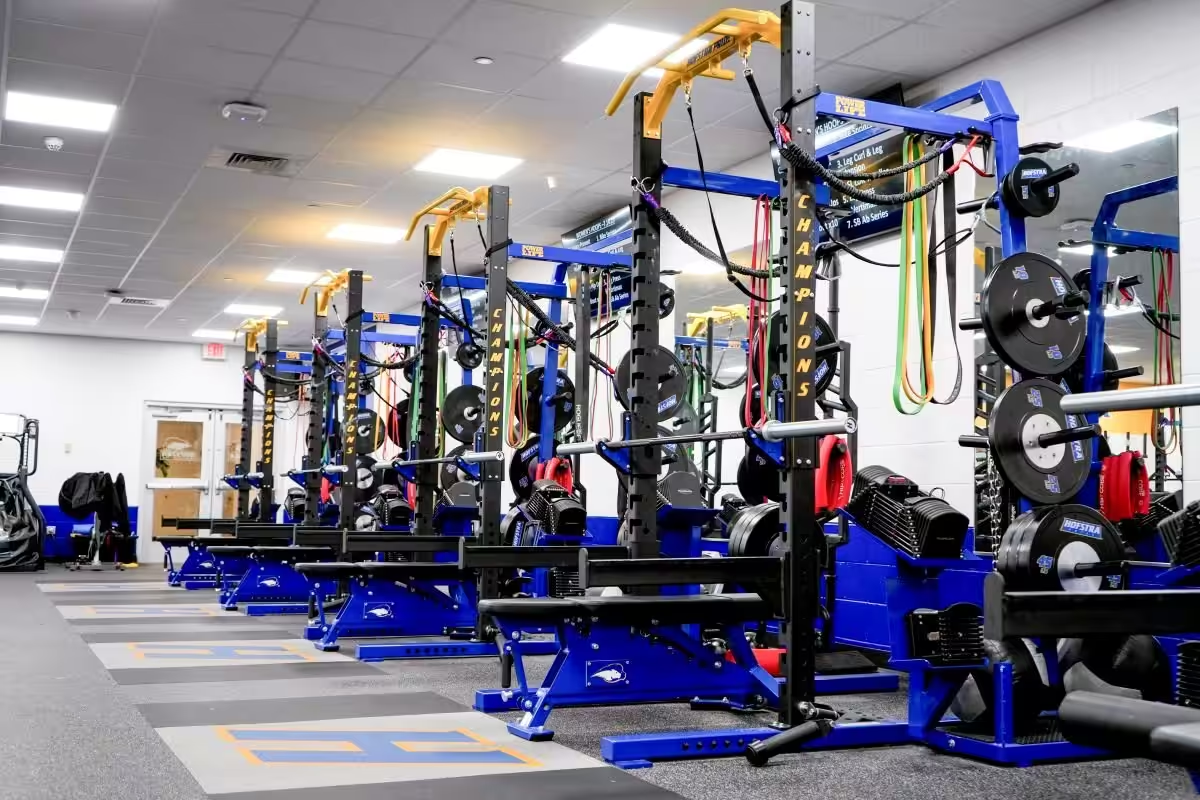
Strength training is what keeps most exercisers coming back these days. But smart, future-ready gyms set up their strength areas so they feel welcoming, safe, and easy to move through, not scary or overwhelming. This includes:
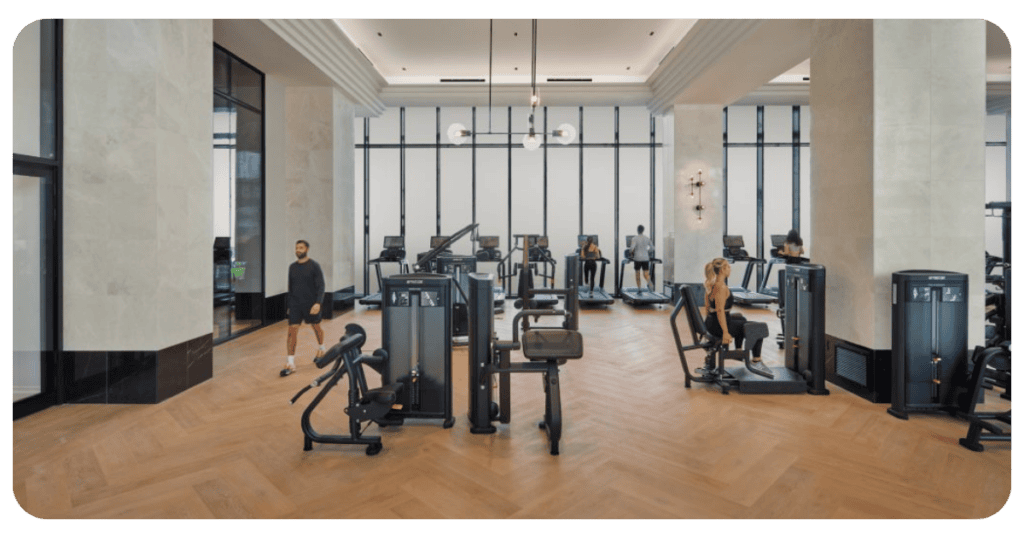
- Plate-loaded and selectorized equipment coexist intentionally
- Adequate circulation space around racks and platforms
- Layouts that support coaching, spotting, and supervision
A strength area that works for both beginners and advanced users is far more resilient than one built for a single audience.
Why Are Recovery Spaces Now Permanent?
In 2026, recovery is no longer an add-on squeezed into leftover space. Facilities are allocating dedicated zones for:
- Mobility and stretching
- Soft tissue work
- Low-impact movement

Forward-thinking fitness centers are also investing in advanced recovery modalities such as red light therapy, cold therapy, saunas, and massage chairs, creating comprehensive recovery environments that support performance, restoration, and member satisfaction.
From a business point of view, recovery areas help people stay longer and attract more types of exercisers. From a design point of view, they help the fitness facility last longer by focusing on long-term health instead of just intense workouts.
How Should Technology Be Integrated Without Becoming Obsolete?
In the past, many gyms made the mistake of designing their space around certain screens or tech platforms. The problem is, technology changes fast.A smarter approach is to build strong electrical and internet systems that can handle today’s equipment and whatever new tech comes next.
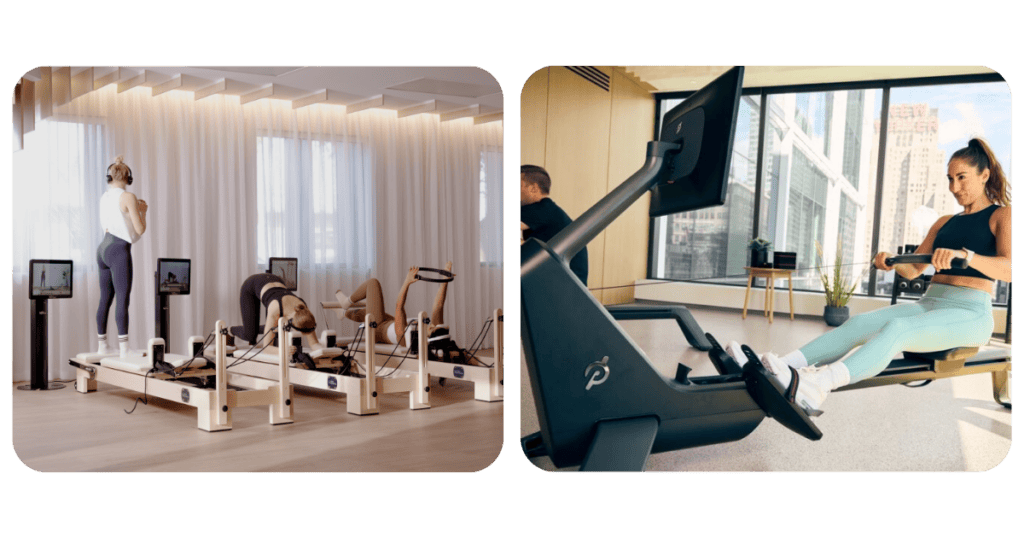
Your built-in technology should:
- Enable usage tracking and maintenance insights
- Support easy to follow coaching and instruction
- Operate quietly in the background
- Provide a seamless user experience
When technology enhances the exercise experience rather than defining it, it remains relevant longer.
What Does Sustainable Design Have to Do With Future-Proofing?
Durable flooring, resilient finishes, and high-quality systems reduce downtime and replacement cycles. Sustainable materials are both environmentally friendly and operationally smart. Future-proof gyms favor materials that:
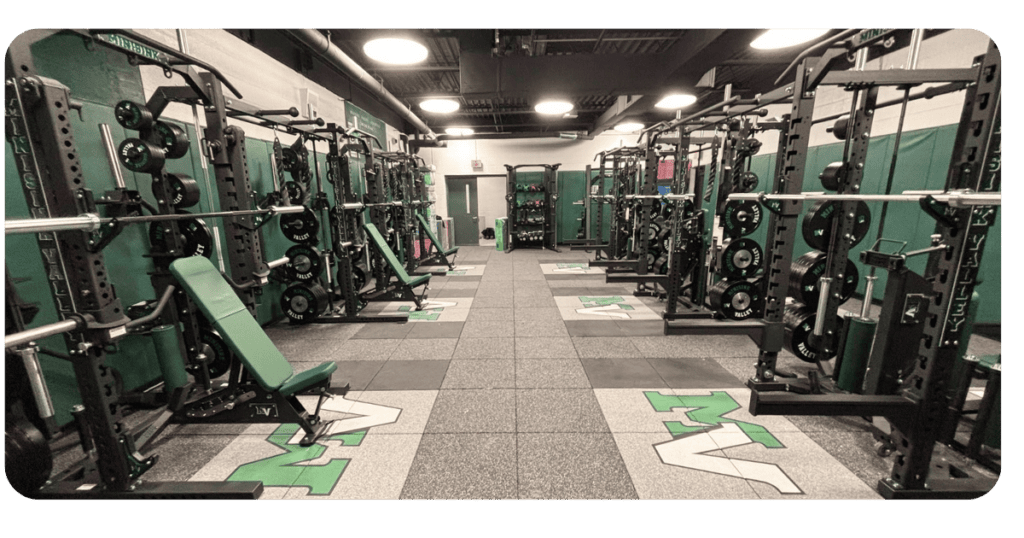
- Withstand high traffic and heavy use
- Are easy to maintain or replace in sections
- Maintain appearance over time
Sustainability, in this context, is about building spaces that age well.
How Does Audience-Specific Design Improve Longevity?

A future-proof design is deeply tied to its audience. A high school weight room, a multifamily fitness center, and a collegiate recreation facility may use some similar equipment, but the layout logic, flow, and adjacencies should differ.
Designing around actual exerciser behavior (rather than aspirational usage) prevents costly misalignment and increases long-term relevance.
From Our Experience at Advantage Sport & Fitness
We’ve seen firsthand that the facilities requiring the least rework over time are the ones with the clearest planning logic.
When clients involve us early in the design process, we can anticipate infrastructure needs, layout challenges, and programming shifts before walls are built. That foresight is what truly future-proofs a space.
The most successful projects we deliver share a common mindset: designing for adaptability first, equipment second. That approach consistently protects budgets, improves the exercise experience, and extends the life of the facility.
So, What Does Future-Proof Gym Design Mean in 2026?
Future-proofing fitness spaces means creating designs that can absorb change without losing function or identity. It means prioritizing layout, infrastructure, and user flow over short-lived trends. And it means recognizing that the best fitness facilities are built to evolve.

Future-proofing isn’t about guessing what the future will look like. It’s about building your gym in a way that you won’t have to redo everything when things change When you are ready to talk future-proof gym design, installation, and maintenance, contact the experts at ASF.
FAQs
1. How often should a gym be renovated to stay current?
There is no fixed timeline, but many facilities benefit from refreshing equipment and floor plans every 5–10 years due to layout limitations or outdated infrastructure. A future-proof fitness facility design reduces the need for major renovations by using flexible layouts, scalable infrastructure, and durable materials that can adapt as trends and programming change.
2. Is future-proof gym design more expensive upfront?
Not necessarily. While thoughtful planning and quality materials may slightly increase initial costs, future-proof design typically lowers long-term expenses by reducing rework, minimizing downtime, and extending the lifespan of equipment and finishes. It’s an investment in long-term operational efficiency.
3. What types of facilities benefit most from future-proof design?
Any fitness environment can benefit, including commercial gyms, multifamily fitness centers, schools, corporate wellness centers, and recreation facilities. Spaces with diverse user groups or evolving programming needs see the greatest return from adaptable layouts and infrastructure.
4. Can a small gym or limited space be future-proofed?
Yes. Future-proofing is often even more important in smaller spaces. Modular equipment, multi-use zones, smart storage, and flexible flooring solutions allow smaller facilities to shift programming without major renovations.
5. What is the biggest mistake gyms make when designing for the future?
Designing around current trends or specific equipment instead of user flow and infrastructure. When layouts are built around flexibility, circulation, and scalable power/data capacity, the space can evolve naturally as fitness trends change.