Hotel Gyms vs Apartment Gyms: Key Takeaways
- Hotel gyms prioritize broad appeal and essential functionality, while apartment gyms prioritize long-term resident needs with a mix of trending and future-proofed equipment.
- Equipment selection in hotels typically leans toward foundational fitness equipment; apartment gyms often include a wider variety.
- Layout constraints differ: hotel gyms usually have smaller footprints and are designed for quick, efficient workouts, while apartment gyms often include more space for dedicated training zones that support residents’ regular routines.
- Ease of maintenance, durability, and user behavior directly impact equipment choices and spatial planning in both environments.
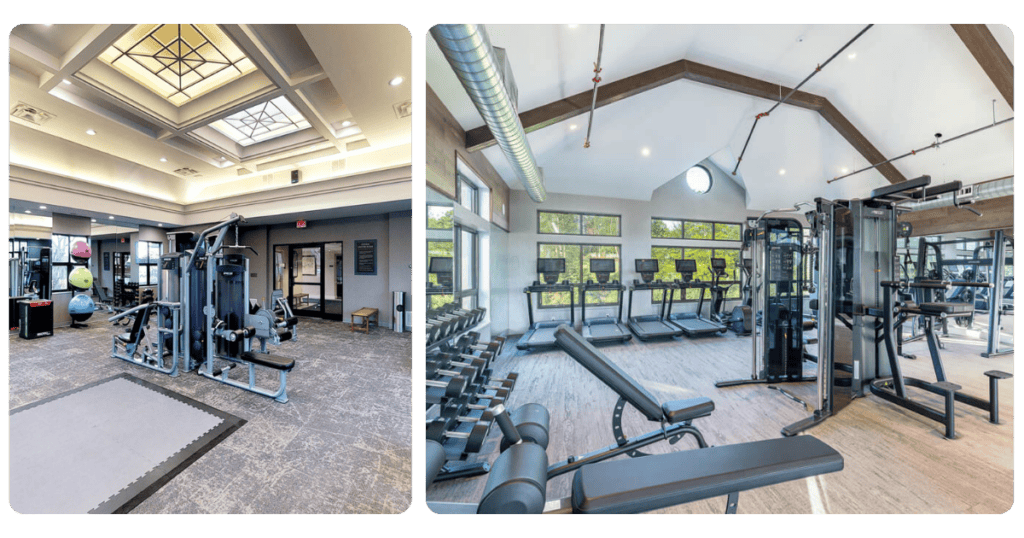
At first glance, hotel gyms and apartment gyms might seem similar: both are fitness spaces attached to buildings where people live or stay. In practice, their equipment choices, layout logic, and overall goals are quite different. From our experience with hundreds of fitness facility projects, understanding these differences is essential for the success of any project.
The Purpose of a Hotel Gym vs. an Apartment Gym?
You might think that “a gym is a gym,” but a well-designed fitness center is tailored to its primary target audience of exercisers, making the core purpose of a hotel gym pretty different from apartment gyms.
The Goal of a Hotel Gym
A hotel gym is designed to serve a wide range of short-term guests with different fitness levels and limited time. Travelers are often unfamiliar with the space and prioritize convenience. Hotel operators also rely on guest feedback and local competition to guide equipment choices and amenities.

In many hospitality projects, the fitness center must align with the hotel’s brand standards and overall guest experience, ensuring the space both visually and functionally reflects the property’s positioning. From our experience designing hotel fitness centers, the goal is to create an elevated, universally accessible workout environment that feels complete without overwhelming a transient user. This typically means prioritizing foundational equipment, clean aesthetics, and an optimized layout that makes the most of often limited space.
Apartment Gym: What Is Its Core Goal?
An apartment complex’s gym serves long-term residents who typically use the space repeatedly as part of a weekly routine, lifestyle habit, or rehab plan. Residents expect a space that supports different goals over time, such as strength, cardio, functional fitness, and recovery.
Apartment gyms are often designed for deeper engagement, like a more comprehensive machinery selection, flexible training zones, and future-proofed equipment that adapts to the trends. Planning here takes into account regular use patterns and resident retention goals.
How is Equipment Different Between Hotel and Apartment Gyms?
What Equipment Is Most Common in Hotel Gyms?
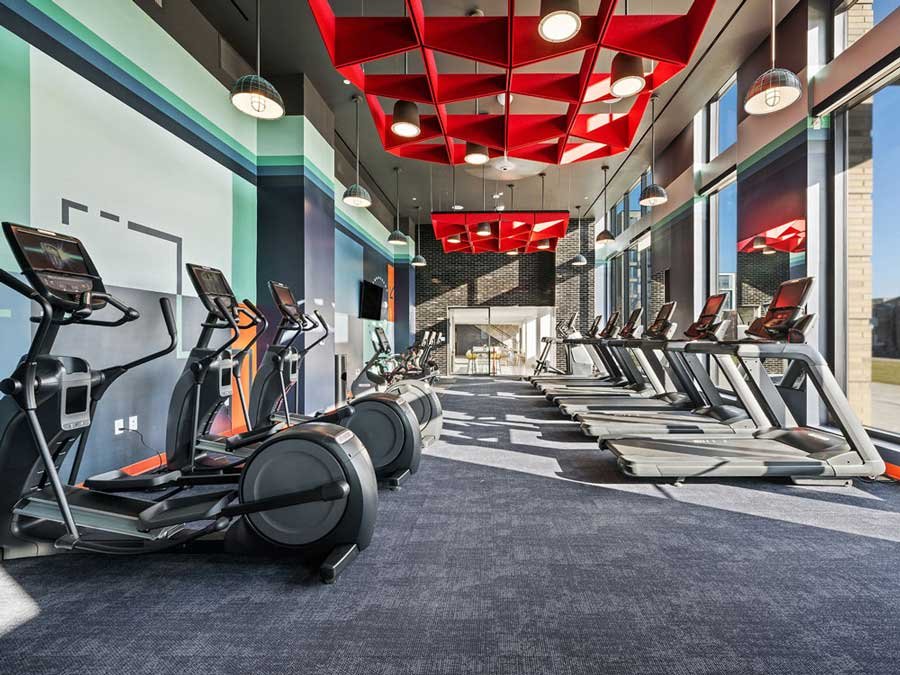
Hotel gym equipment often prioritizes fundamental versatility and ease of use. Common considerations our experts recommend for hotel gym design include:
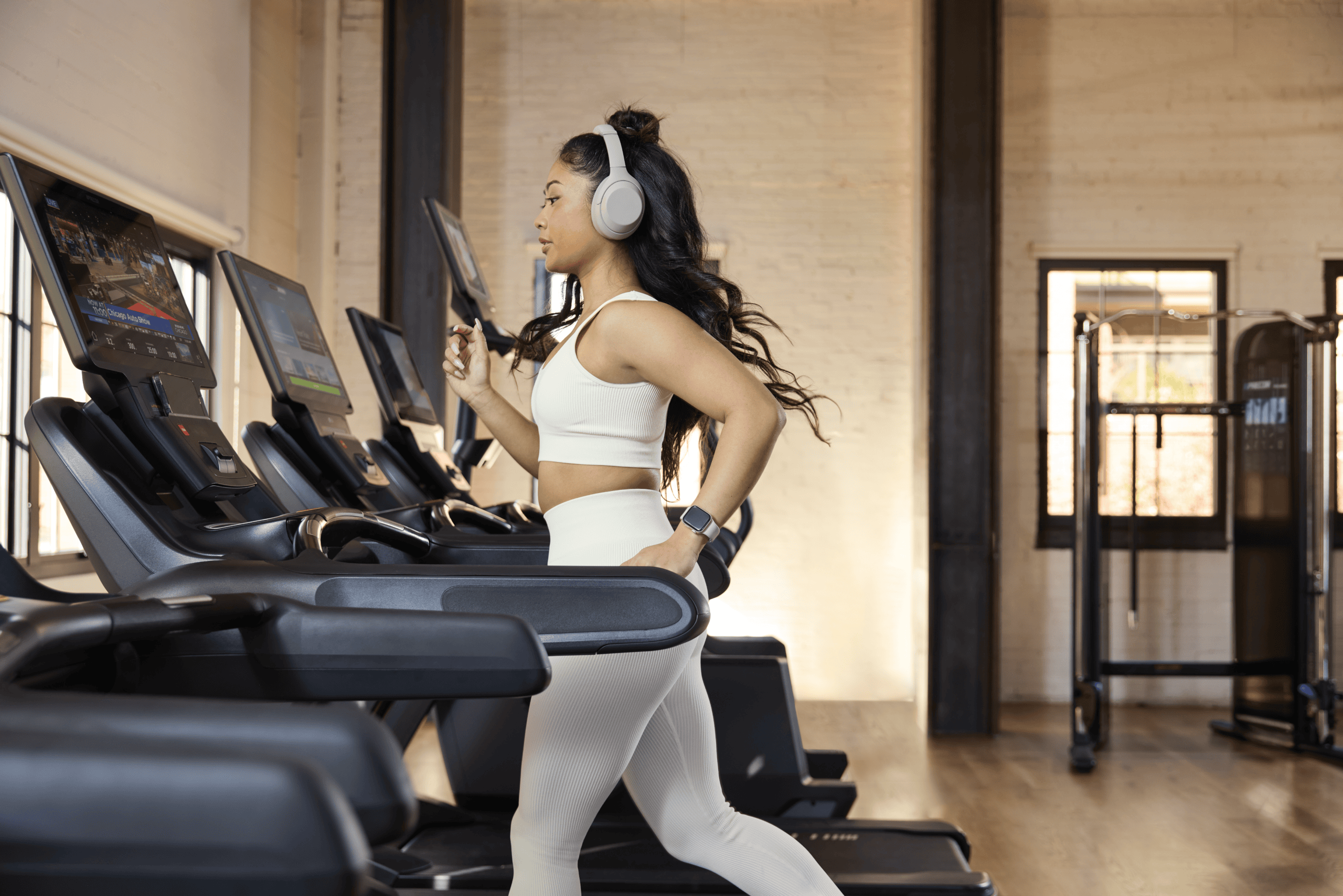
- Treadmill, elliptical, and stationary bike.
- Adjustable cable machine or multi-station unit.
- A small selection of dumbbells and kettlebells.
- Heavy-duty protective gym flooring.
Why this pattern? Because hotel operators want equipment that:
- Appeals to all fitness levels.
- Requires minimal supervision or instruction.
- Does not intimidate inexperienced users.
- Offers a touch of variety without a huge footprint.
Heavy strength equipment, power racks, and specialized gear are less common because they can be underused or pose a greater need for supervision and maintenance. Because space is often limited, equipment selection must be efficient and versatile.
“Hotels typically prioritize high-usage equipment that aligns with the age range and fitness levels of their guests,” Watson says. “Cardio equipment like treadmills and bikes are usually essential, while multi-use strength equipment allows guests to complete a full-body workout without requiring a large footprint.”

Many hospitality projects incorporate solutions like multi-station systems or functional training equipment, which provide strength training versatility within compact spaces.
What Equipment Is Typically in Apartment Gyms?
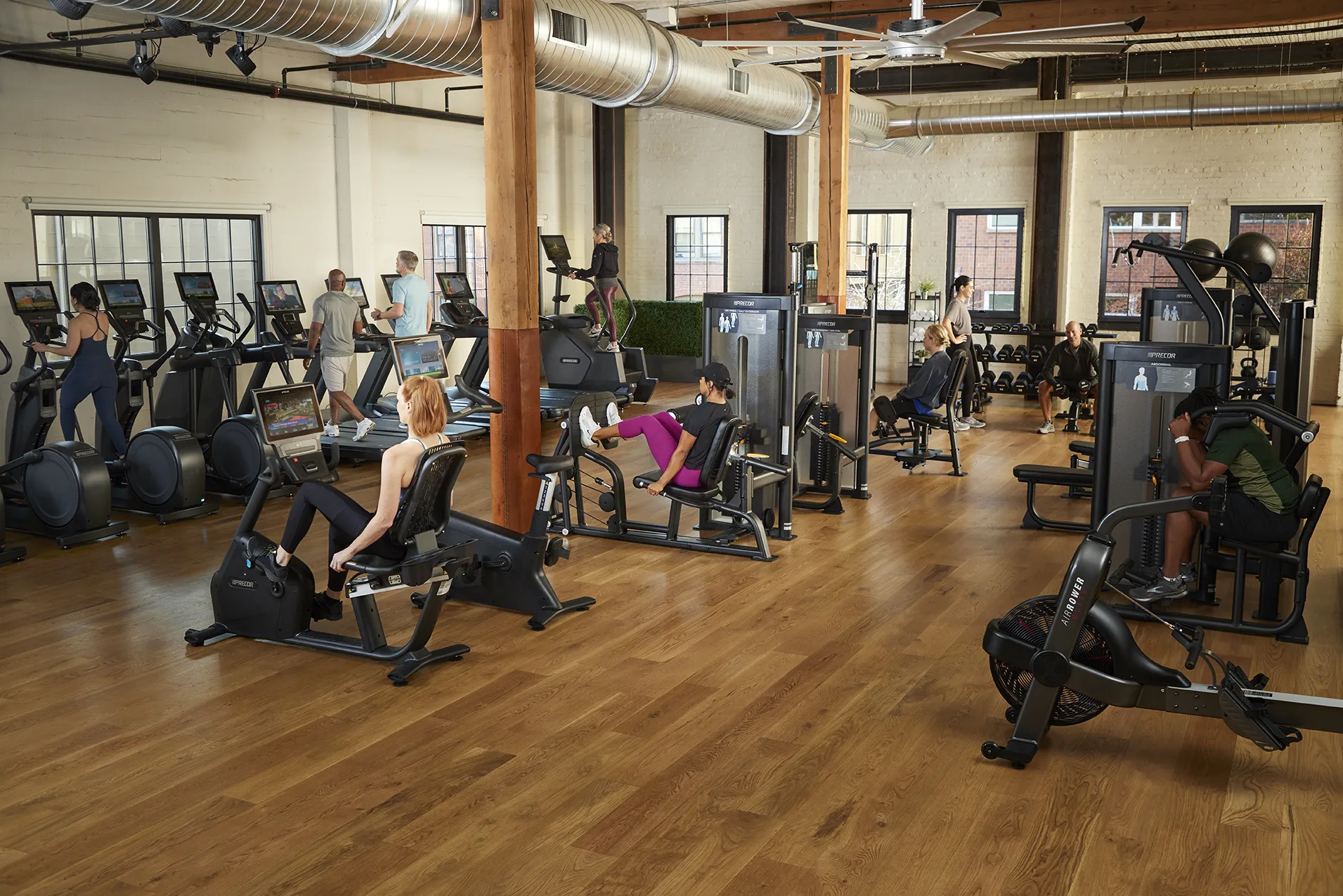
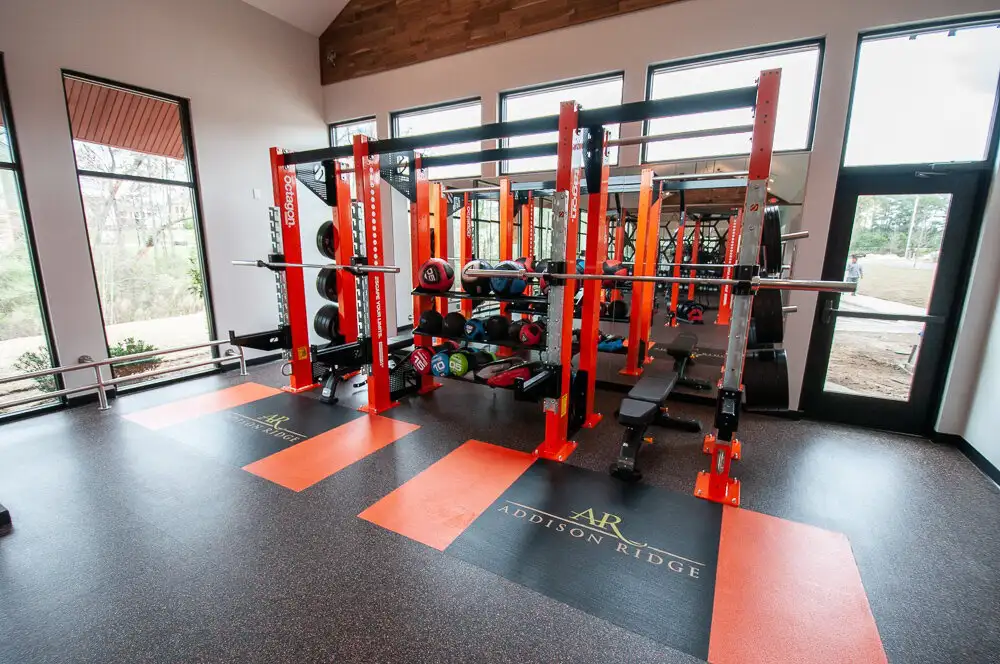
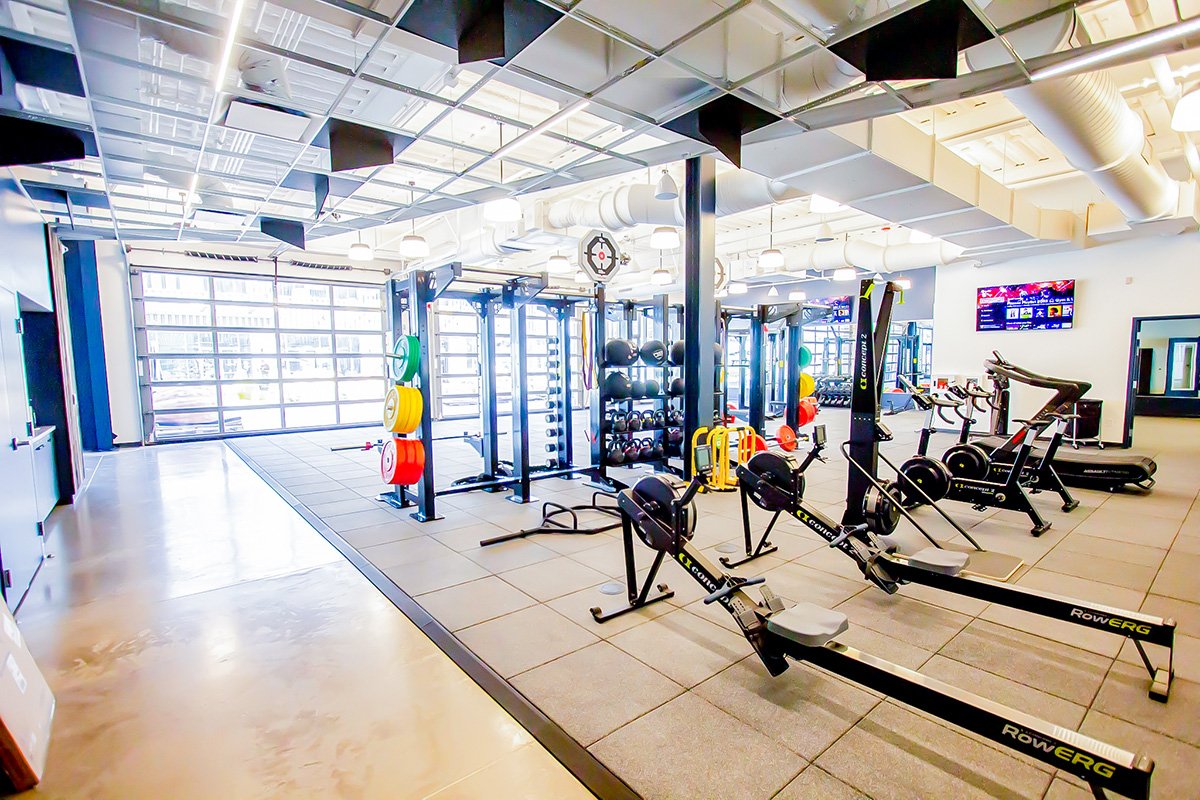
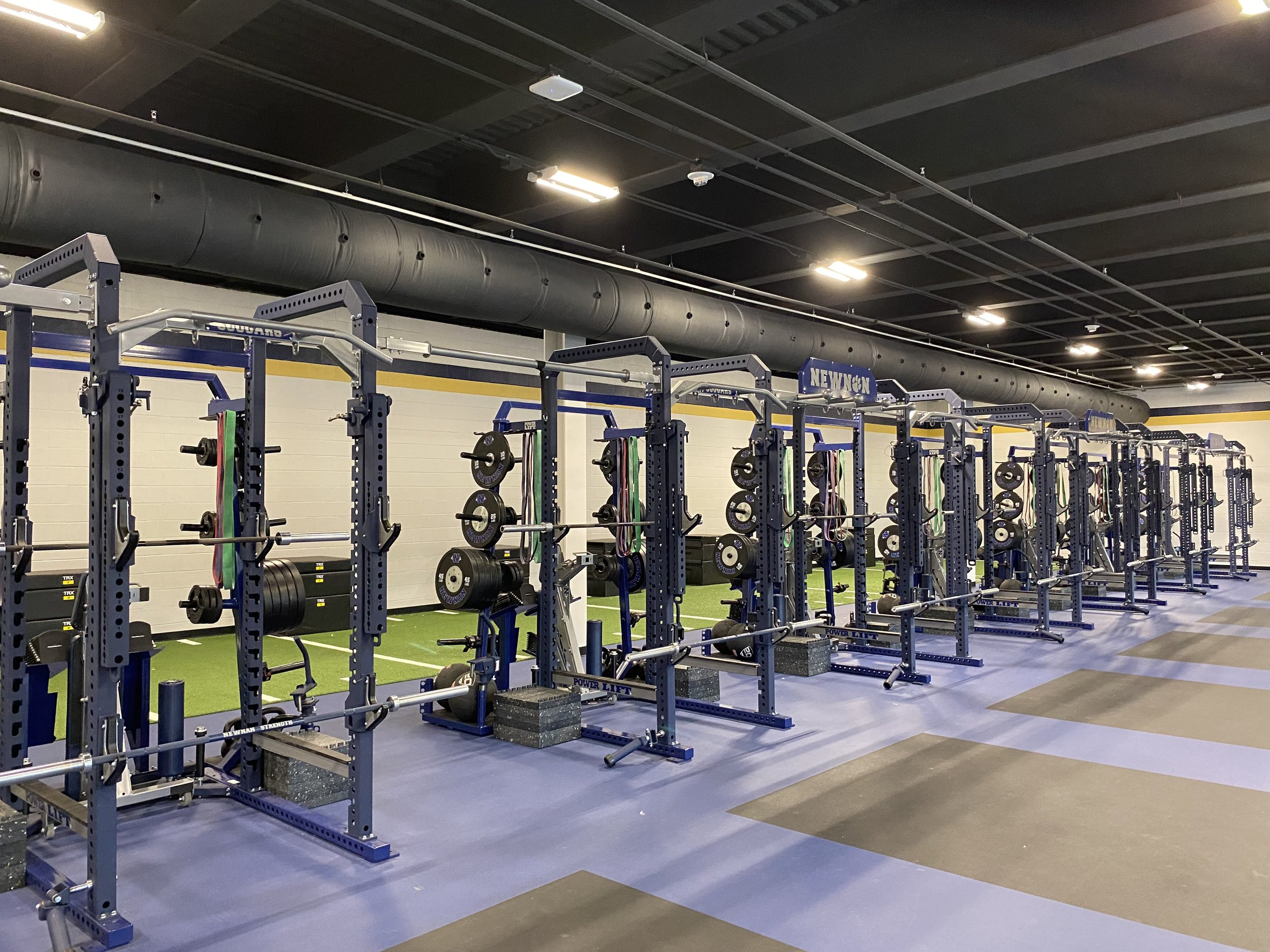
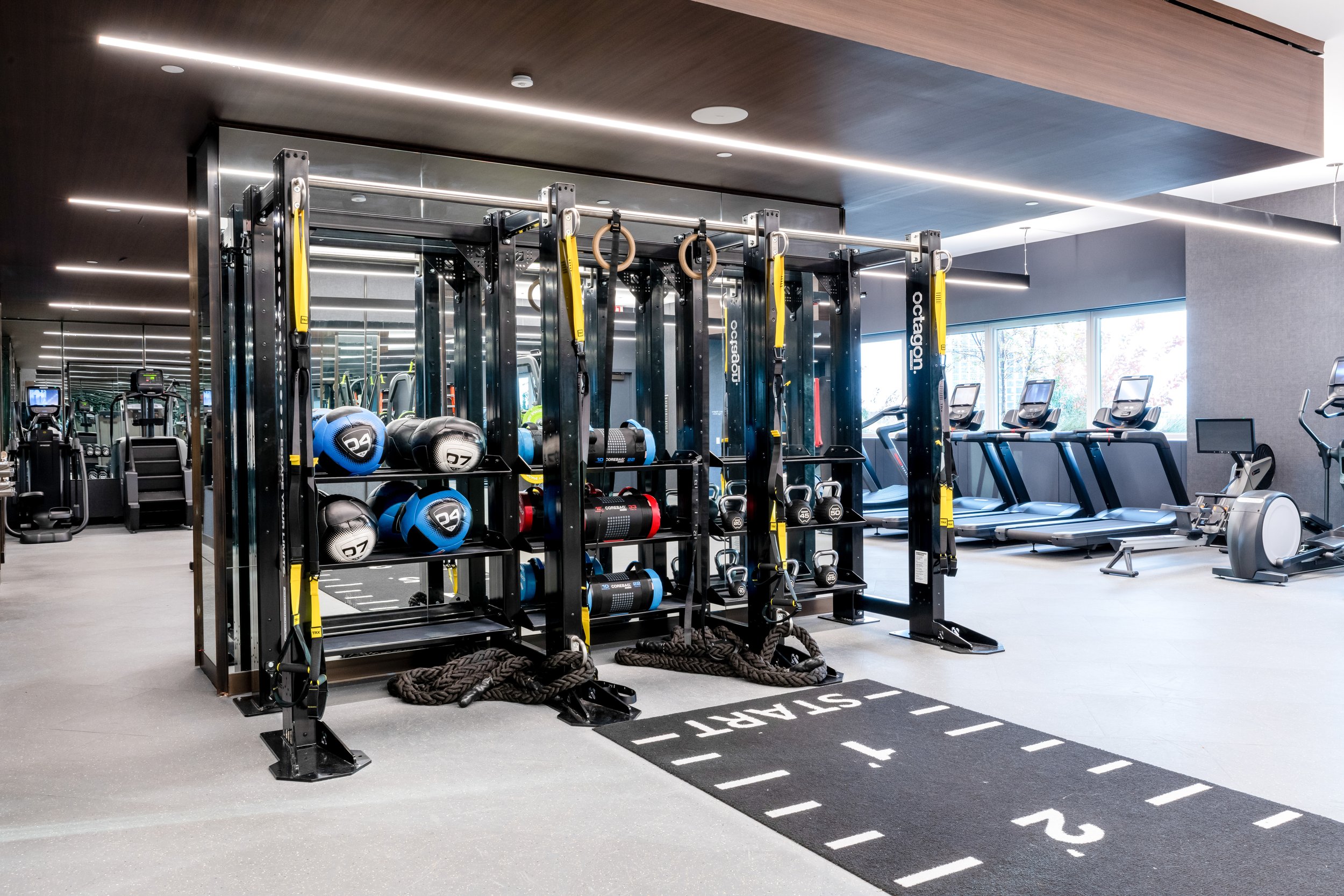
Apartment facilities often include a broader and deeper equipment set. Based on ASF’s project experience, many resident gym spaces include:
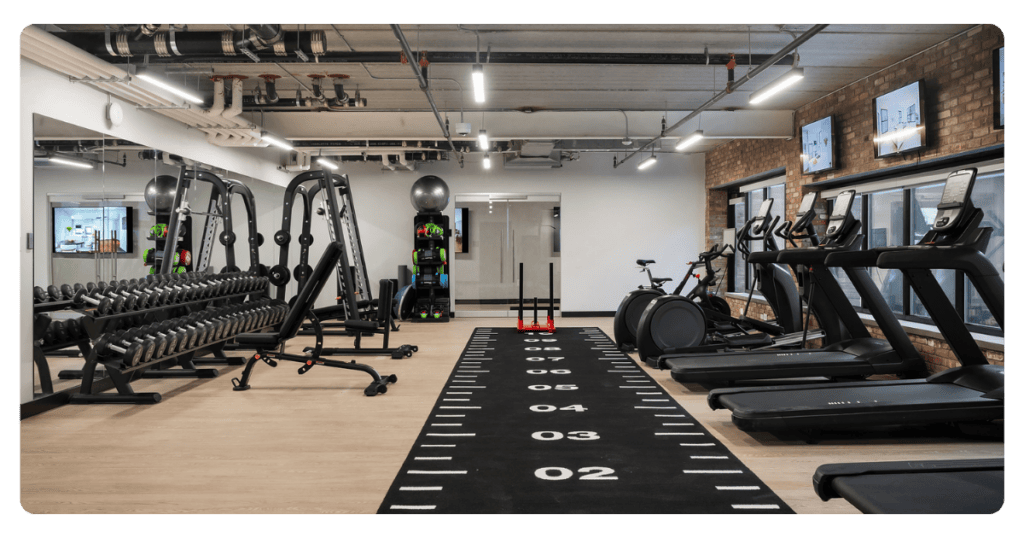
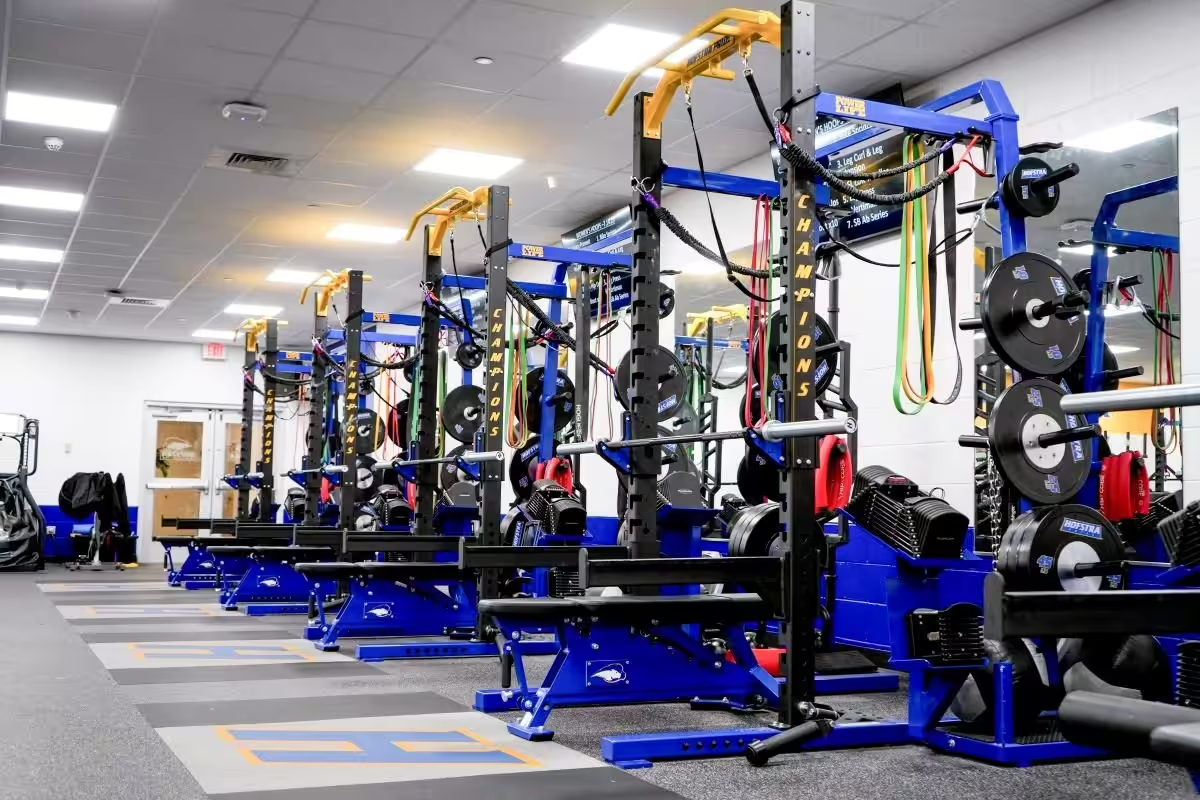
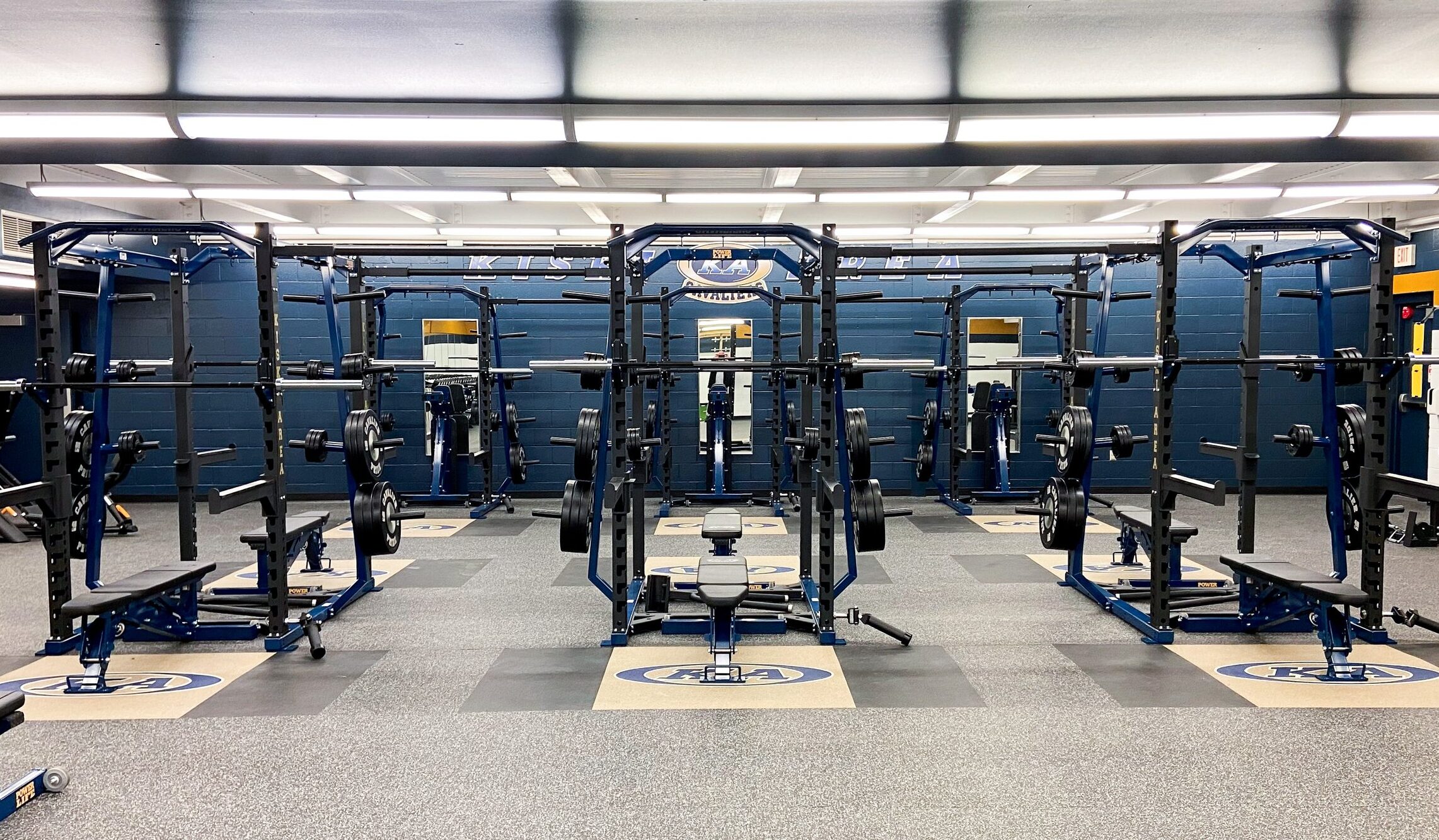
- Full strength area with squat rack(s), bench press, and free weights.
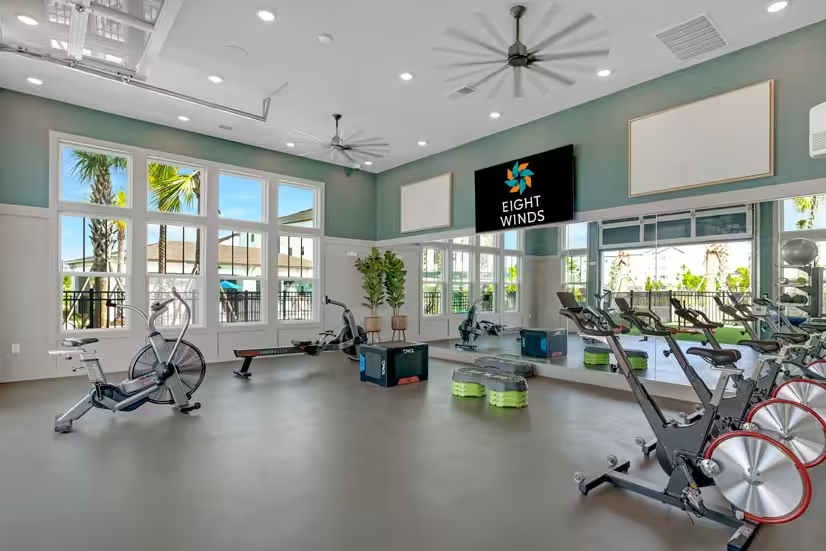
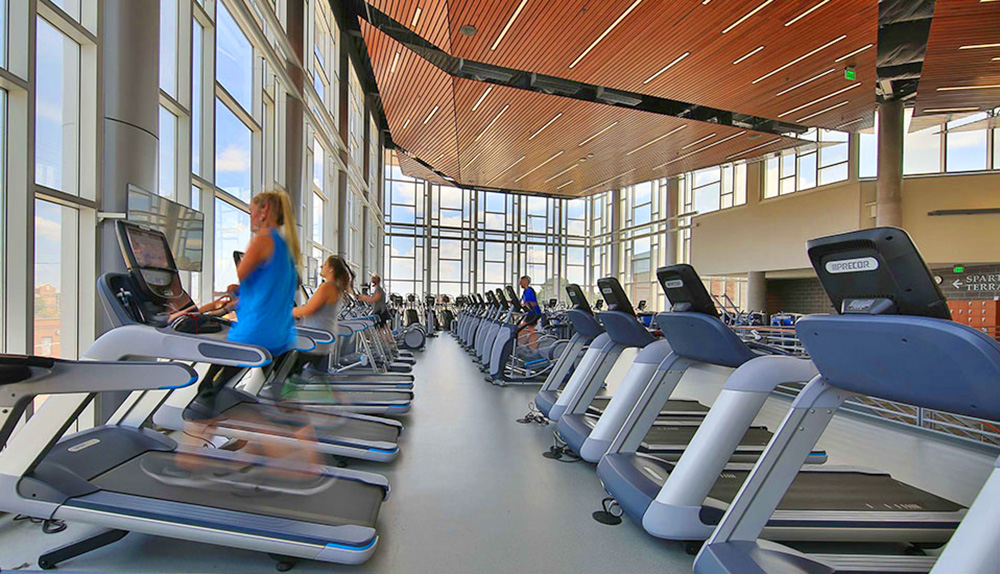
- Multiple cardio machines with a wider variety (rowers, bikes, treadmills).
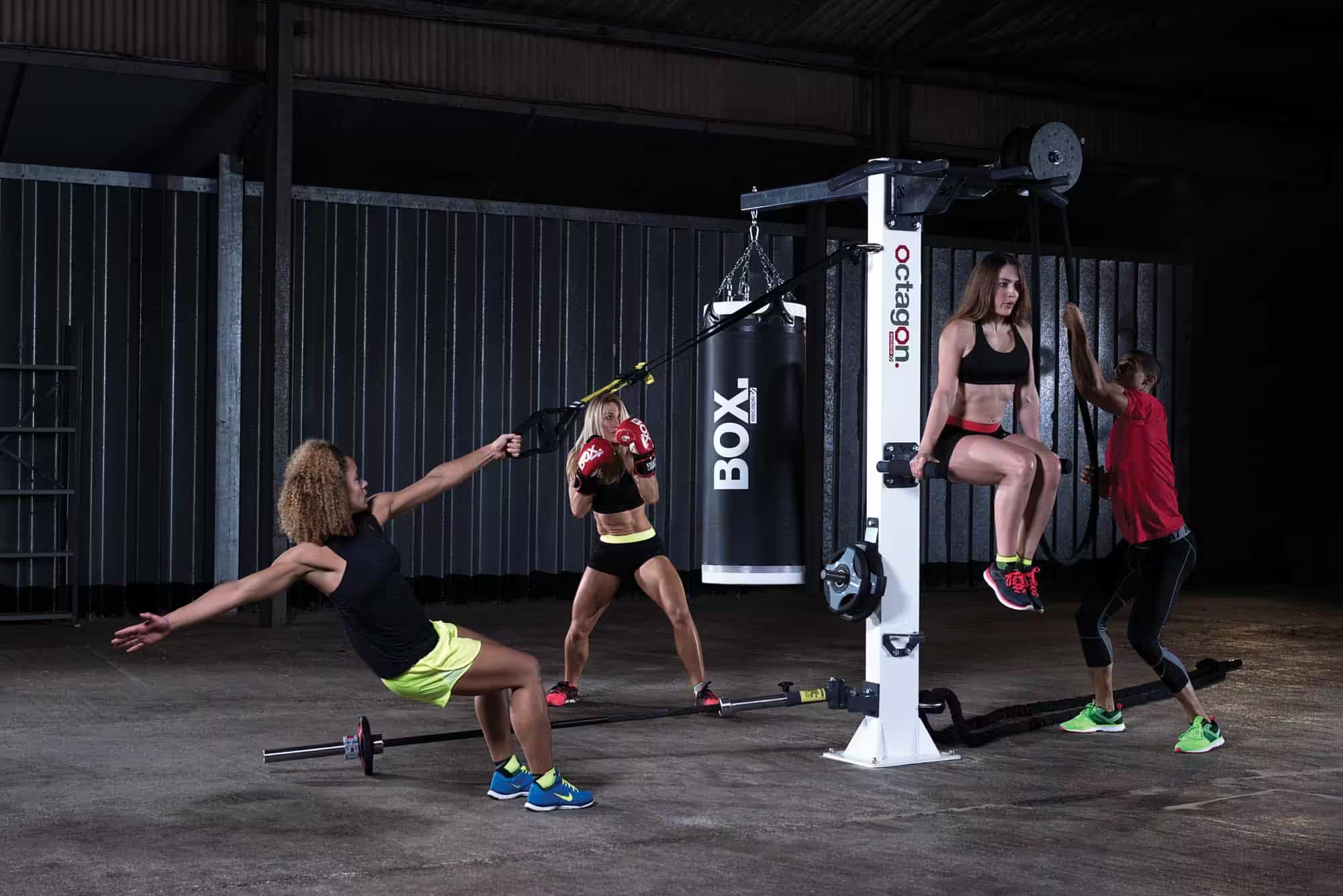
- Functional training tools (from full frames to accessories).
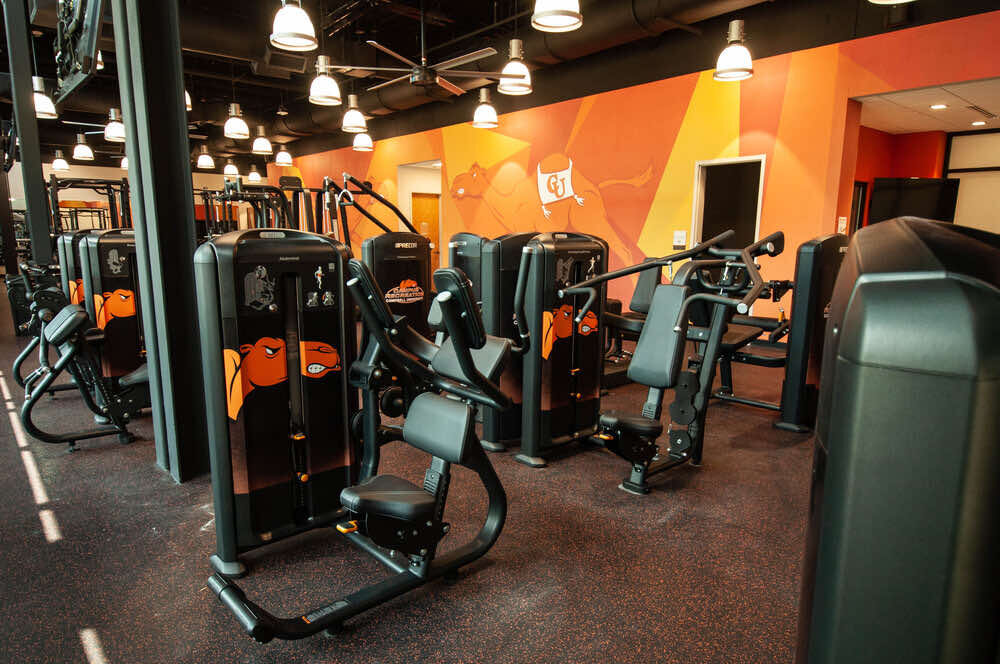
- Multi-use cable machines and selectorized strength units.
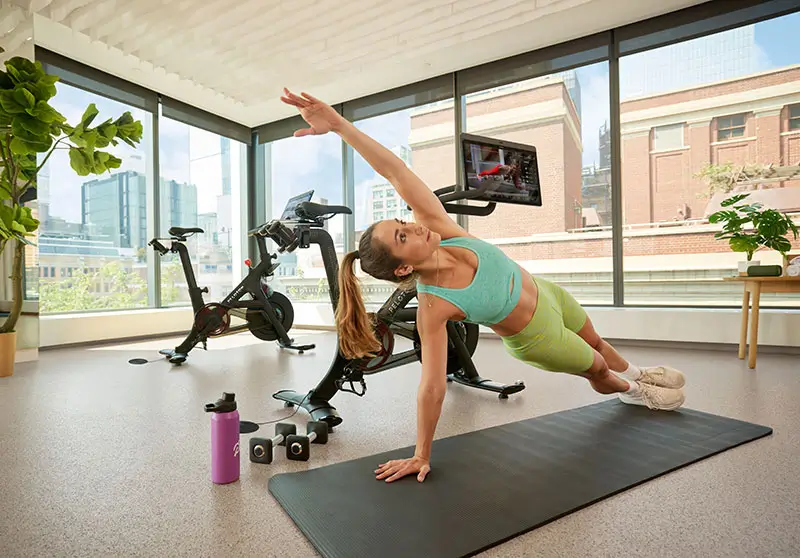
- Optional wellness add-ons like stretching areas or yoga zones.
Residents are not just passing through; they are building routines. This justifies investment in equipment that supports strength progression, flexibility training, and even advanced workouts.
Why Is Layout Planning Different Between Hotels and Apartments?
How Do Hotel Gyms Approach Layout and Flow?
Hotel gyms are often constrained by limited square footage (and often small budgets). Their layout must maximize perceived openness and maintain adequate spacing for multiple exercisers at once. This leads to:
- Compact equipment arrangements
- Clear walkways
- Minimal dedicated zones
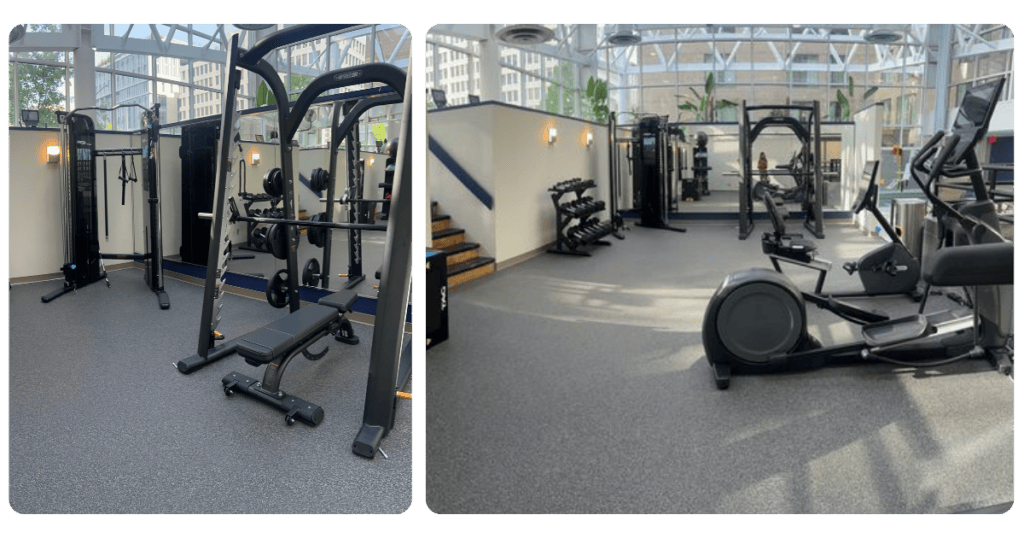
With our industry knowledge, hotel gym design is a balancing act between functionality and accessibility. Layouts should feel intuitive, allowing guests to understand the space immediately without needing instructions.
As Christine Watson, Hospitality Sales Manager at Advantage Sport & Fitness, explains:
“Hotel guests are often short on time and unfamiliar with the property, so the fitness center should be easy to navigate and immediately comfortable to use. Guests should be able to walk in, see the equipment clearly, and begin their workout without confusion.”
This approach often results in compact equipment arrangements, open sightlines, and clearly visible equipment zones that make the space feel approachable and easy to use.
How Are Apartment Gym Zones Structured?
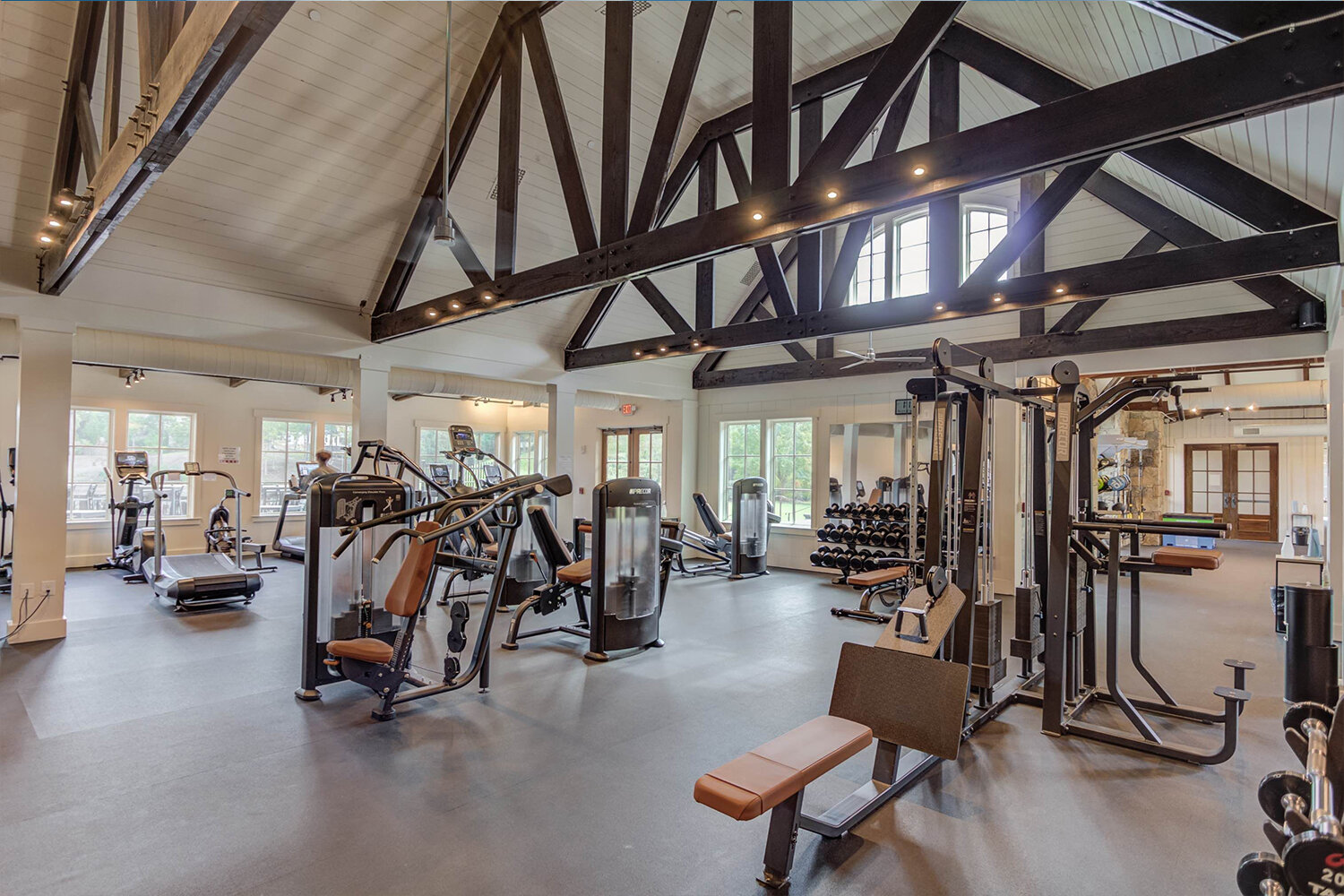
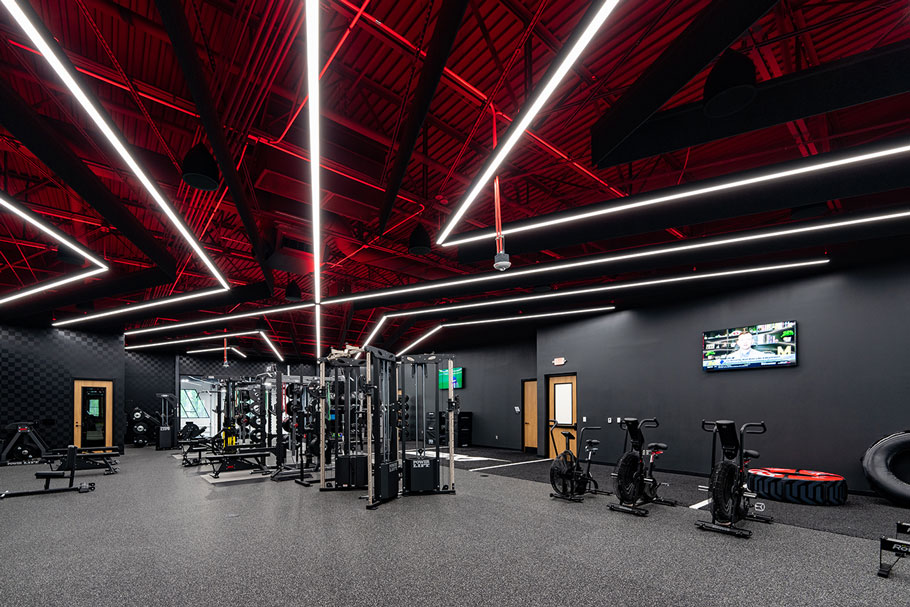
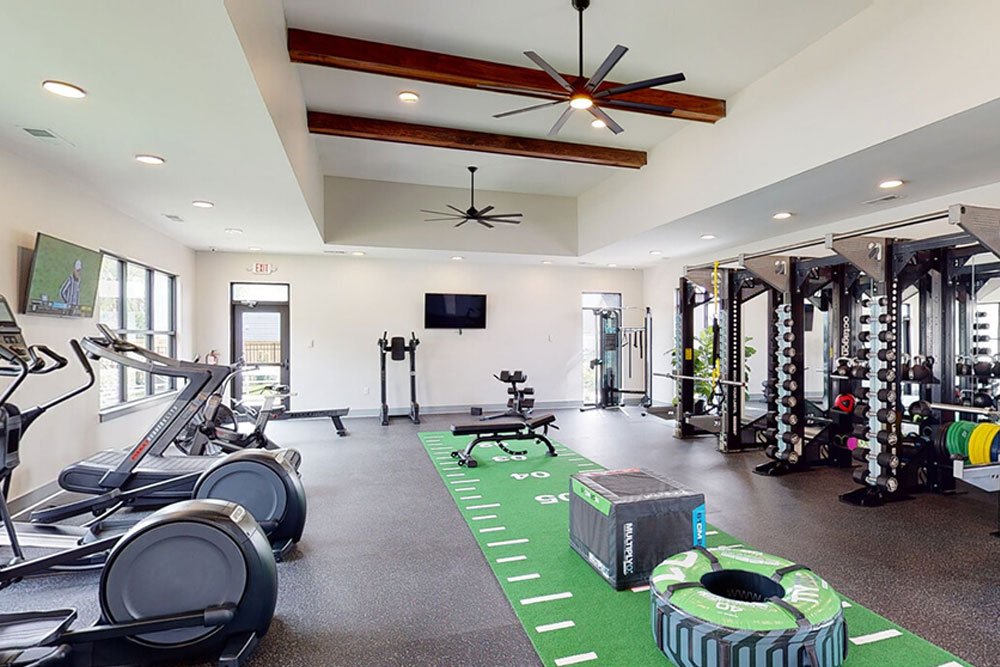
Apartment gym design often allows more flexibility to meet the preferences of the developer or management company. In many cases, these fitness centers are planned with distinct zones for different activities, including:
- Strength training zone with free weights and racks.
- Cardio zone with machines spaced for comfort.
- Functional training area with open floor space and accessories.
- Stretching, yoga, or recovery space for mobility.
Because residents are recurring users, layouts can support circuits, cross-training, and multi-user flow. Equipment is arranged to minimize interference (such as separating cardio from heavy lifts) and create intuitive workout paths.
In our projects, we often advocate for flexible zones and future-proofed equipment in apartment gyms: spaces that can transform for group fitness, pilates, or community events. This enhances perceived resident value and space usability over time.
What Are the Maintenance and Durability Considerations?
Do Hotel Gyms Require Different Durability Standards?
Yes. Hotel gyms frequently experience variable user ability, including guests who may not be familiar with equipment etiquette. This requires:
- Equipment that is durable, low-maintenance, and easy to clean.
- Intuitive interfaces and adjustments on machines.
- Strategic placement of high-traffic items to avoid wear on the flooring.
- Preventative maintenance to keep equipment running smoothly.
In hotels, we recommend equipment that can withstand inconsistent use and is forgiving for first-time users. Foundational, well-known fitness equipment is often best for this reason.
How About Apartment Gym Equipment Longevity?
Apartment gyms generally have more predictable wear patterns because residents use the space repeatedly as part of their routine. That said, durability still matters, especially in high-end or competitive rental markets. For apartment fitness centers, we recommend:
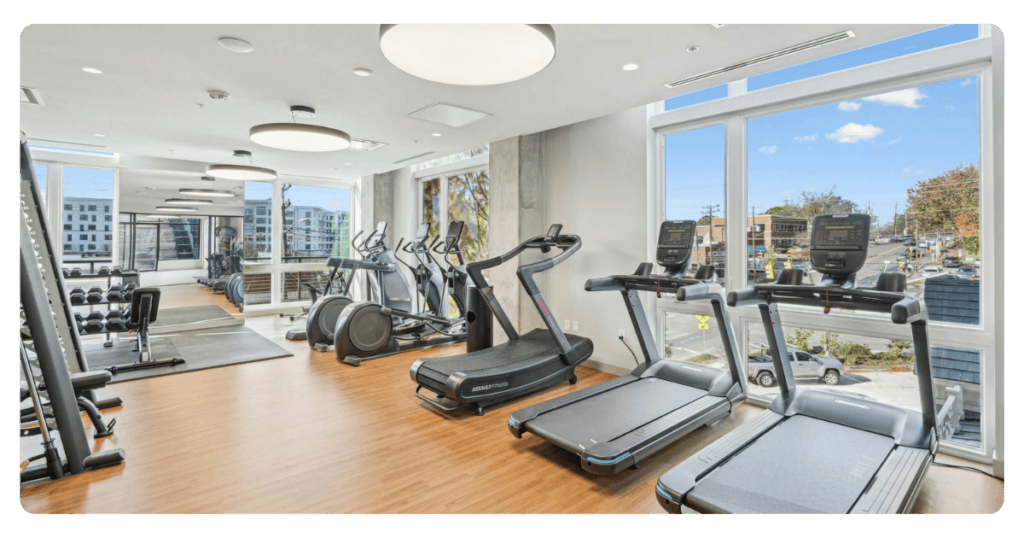
- Commercial-grade strength and cardio equipment with warranty support.
- Modular systems that can be expanded or updated.
- Enhanced flooring and elevated cleaning protocols to support frequent use.
- Preventative maintenance to ensure reliability and increase the lifespan of equipment.
From our expert perspective, the trend in apartment gyms is toward longevity in user experience, because residents associate facility quality with property value.
Can Hotel and Apartment Gyms Share Design Principles?
Despite being fundamentally different designs, both hotel and apartment gyms should be built with these foundational principles:
- Cleanliness and accessibility (easy to maintain, ADA-compliant, and well-lit, with strategically-placed outlets).
- Intuitive design (users should immediately understand where and how to exercise).
- Exerciser safety (clear pathways, stable equipment, adequate spacing).
- Appropriate scale (equipment selection and layout should match space size and expected usage).
Every gym (regardless of type) must support a positive experience for exercisers. A poorly planned gym will be underutilized, regardless of the equipment you choose.
Expert Insight: What Makes a Fitness Space Actually Work?
From ASF’s gym design experience, we know the most successful hotel and apartment gyms are not those that simply cram more equipment into the space. They are the ones asking, “Who is using this? What experience do they expect? How will they feel when they walk in?”

In hotel or vacation property gyms (such as Serenité at Camelback), exercisers often want a workout they can finish in 20–30 minutes that feels efficient and not intimidating. Meanwhile, in apartment communities (like Eight Winds), users want comfort, choice, progression, and space to grow their fitness habits.
We’ve seen hotel gyms succeed when they invest in accessible, easy-to-understand equipment, paired with layouts that keep traffic flowing and minimize confusion. Conversely, apartment gyms succeed when they provide structured zones and robust, varied gear that residents can rely on for the long haul.
Industry Expertise Across Hospitality and Multifamily Fitness Spaces
At ASF, fitness facility design is supported by specialized expertise across different industries. Our team includes dedicated Hospitality Sales Managers who focus exclusively on hotel fitness amenities, as well as specialists in multifamily fitness center design. This industry-specific knowledge helps ensure each fitness space is aligned with how it will actually be used.
In the hospitality market, ASF also works closely with hotel brands to ensure installations meet brand standards and guest experience expectations.
“One of the biggest advantages we bring to hospitality projects is our experience navigating hotel brand standards,” Watson says. “We help ensure every fitness center meets those requirements while also creating a space that maximizes guest satisfaction.”
From early planning through equipment selection, installation, and preventative maintenance, ASF provides end-to-end support for fitness spaces across hospitality and multifamily markets.
Choose ASF for Professional Gym Design Services
Hotel and apartment gyms both offer a place for exercisers to work out, but their equipment choices, layout logic, and usage expectations differ dramatically. With expertise in the unique needs and challenges of each of these spaces, ASF’s gym designers offer trusted support for any project.
Whether you’re redesigning a compact hotel fitness center or planning a comprehensive apartment community gym, our experts offer the end-to-end support you need to make your vision a reality, from design to installation and ongoing maintenance. Contact us to get started today.
FAQs
What is the main difference between a hotel gym and an apartment gym?
The primary difference is the user profile and frequency of use. Hotel gyms are designed for short-term guests who need efficient, easy-to-use equipment for quick workouts. Apartment gyms serve long-term residents who use the space regularly, which requires more diverse equipment, dedicated training zones, and a layout that supports ongoing fitness routines.
How big should a hotel fitness center be?
Hotel fitness centers are typically designed to maximize functionality within a compact footprint. While size varies by property tier and brand standards, most hotel gyms prioritize space-efficient cardio machines, multi-use strength equipment, and clear walkways to maintain an open, welcoming feel. The goal is not maximum size but optimal usability for transient guests.
What equipment is essential in a multifamily or apartment gym?
A well-designed apartment gym usually includes a balanced mix of cardio machines, free weights, selectorized strength equipment, and functional training space. Because residents use the facility repeatedly, multifamily gyms often benefit from squat racks, cable systems, and flexible training areas that support strength progression, group workouts, and long-term engagement.
Do hotel gyms need commercial-grade fitness equipment?
Yes. Even though hotel guests may use the space less frequently than apartment residents, hospitality fitness centers still require commercial-grade equipment for durability, safety, and brand consistency. Equipment should be intuitive, low-maintenance, and capable of handling variable user experience levels.
Can the same gym design work for both hotels and apartment communities?
While some foundational principles overlap, a one-size-fits-all approach rarely performs well. Hotel gyms must prioritize simplicity, quick access, and broad appeal, while apartment gyms should support progression, variety, and repeat use. The most successful projects tailor equipment selection, layout, and finishes to the specific user environment and property goals.