Opens in a new tab
 /* update variables when header is on dark background*/
.on-dark-bg {
   --header-bg: var(--current-header-bg);
   --chevron-clr: white;
   --menu-item-clr: white;
   --menu-item-hover-bg: #172235;
   --menu-item-hover-clr: #bc92e6;
   --menu-toggle-clr: var(--menu-item-clr);
   --dropdown-content-border: solid 1px rgb(220 220 220 / 20%);
   --mobile-menu-bg: var(--header-bg);
 }

 .on-light-bg {
   --menu-item-clr: black;
   /* update variables when header is on light background*/
 }


 /* update variable when on dark or light background */
 .on-dark-bg,
 .on-light-bg {
   --overlay-header-bg-active: var(--current-header-bg);
   --dropdown-content-bg: var(--current-header-bg);
 }

 .on-video-section {
   /* update variables when header is on video section*/
   --menu-item-clr: white;
   --chevron-clr: white;
   --menu-item-hover-bg: rgb(0 0 0 / 30%);
   --menu-item-hover-clr: #bc92e6;
   --dropdown-content-bg: rgb(0 0 0 / 70%);
   --overlay-header-bg: rgb(0 0 0 / 25%);
   --overlay-header-bg-active: var(--dropdown-content-bg);
   --dropdown-content-border: solid 1px rgb(220 220 220 / 20%);
   --current-header-bg: rgb(0 0 0 / 14%) !important;
   --header-bg: rgb(0 0 0 / 70%);
   --menu-toggle-clr: white;
   --mobile-menu-bg: rgb(0 0 0 / 95%);
   --menu-cta-border: var(--dropdown-content-border)
 }


 .on-hero-section {
   /* update variables when header is on hero section*/
 }

 /* header bg blure when on video section */
 html:not(.dwc-mobile) .dwc-nest-header.on-video-section {
   backdrop-filter: blur(var(--overlay-header-blur));
 }

 /* overlay header border when on video section or dark background*/
 .dwc-nest-header:is(.on-dark-bg, .on-video-section)[data-overlay-header="true"] {
   border: 1px solid rgba(255, 255, 255, 0.2);
 }

 /* header bottom border when on dark background or video section*/
 .dwc-nest-header:is(.on-dark-bg, .on-video-section) {
   border-bottom: 1px solid rgba(255, 255, 255, 0.2);
 }


 /* logo color when on dark background*/
 .on-dark-bg .dwc-nest-menu__logo path {
   fill: white;
 }

 /* logo color when on light background*/
 .on-dark-bg .dwc-nest-menu__logo path {
   /*define svg fill when logo is on light background */
 }

 /* logo color when on video background*/
 .on-video-section .dwc-nest-menu__logo path {
   fill: white;
 }

/*custom */

.on-dark-bg .mega-menu-magic__menu-icon-large{
   background-color: var(--current-header-bg);
    fill: #bc92e6;
    color: #bc92e6;
}

.on-video-section .mega-menu-magic__menu-icon-large{
   background-color: var(--current-header-bg);
    fill: #bc92e6;
    color: #bc92e6;
}

.on-video-section .mega-menu-magic__dropdown-title,
.on-dark-bg .mega-menu-magic__dropdown-title{
    color: rgb(210 210 210);   
}
// Constants
const BREAKPOINT_DESKTOP = 0;
const DEBOUNCE_DELAY = 50;

// Configuration object for all header-related selectors
const HEADER_CONFIG = {
  // Main header element
  headerElement: '.dwc-nest-header',
  // Wrapper element selectors (can be classes, IDs, or data attributes)
  wrapperSelectors: [
    // '.dwc-nest-header__container'
  ],
  // Elements to monitor for header styling (can include any CSS selector)
  // Default monitors sections, but you can add footer, divs, or any element
  monitoredElements: 'section, [data-header-zone]',
  // Store original header background color
  originalHeaderBgColor: null
};

// Unified section type configuration
// Add new data attributes here - they will be automatically mapped to header classes
const SECTION_TYPES = {
  'data-hero': 'on-hero-section',
  'data-video': 'on-video-section',
  'data-custom': 'on-custom-section',
  'data-sticky': 'on-media-section'
  // Add new: 'data-feature': 'on-feature-section'
};

// Configuration for excluded sections
const EXCLUSION_CONFIG = {
  // Data attribute that identifies sections to exclude from header styling
  sectionAttribute: 'data-exclude-header'
};

// Text color classes
const TEXT_CLASSES = {
  light: 'on-dark-bg',
  dark: 'on-light-bg'
};

// Generate classes to remove dynamically from SECTION_TYPES and text classes
const ALL_CLASSES_TO_REMOVE = [
  // Add all header classes from section types
  ...Object.values(SECTION_TYPES),
  // Add text color classes
  TEXT_CLASSES.light,
  TEXT_CLASSES.dark
];

// Performance optimization: Cache DOM elements and computed values
const CACHE = {
  headerElement: null,
  wrapperElement: null,
  sections: [],
  sectionsData: new Map(),
  colorCache: new Map(),
  tempColorElement: null,
  lastKnownSection: null,
  isUpdating: false,
  pendingColorUpdate: false
};

// Initialize cache
function initializeCache() {
  // Cache header elements
  CACHE.headerElement = document.querySelector(HEADER_CONFIG.headerElement);
  
  // Try each wrapper selector until one is found
  for (const selector of HEADER_CONFIG.wrapperSelectors) {
    CACHE.wrapperElement = document.querySelector(selector);
    if (CACHE.wrapperElement) break;
  }
  
  // Cache sections and their positions
  CACHE.sections = Array.from(document.querySelectorAll(HEADER_CONFIG.monitoredElements));
  
  // Create reusable element for color calculations
  CACHE.tempColorElement = document.createElement('div');
  CACHE.tempColorElement.style.position = 'absolute';
  CACHE.tempColorElement.style.visibility = 'hidden';
  CACHE.tempColorElement.style.pointerEvents = 'none';
  document.body.appendChild(CACHE.tempColorElement);
  
  // Cache section metadata
  updateSectionsCache();
}

// Update sections cache (call when DOM changes)
function updateSectionsCache() {
  CACHE.sections = Array.from(document.querySelectorAll(HEADER_CONFIG.monitoredElements));
  CACHE.sectionsData.clear();
  
  CACHE.sections.forEach((section, index) => {
    const sectionData = {
      index,
      isExcluded: section.hasAttribute(EXCLUSION_CONFIG.sectionAttribute)
    };
    
    // Dynamically check for all section types defined in SECTION_TYPES
    Object.keys(SECTION_TYPES).forEach(attribute => {
      sectionData[attribute] = section.hasAttribute(attribute);
    });
    
    CACHE.sectionsData.set(section, sectionData);
  });
}

// Function to remove all section classes from :root only
function removeAllSectionClasses() {
  const rootElement = document.documentElement;
  
  // Remove classes from :root only
  rootElement.classList.remove(...ALL_CLASSES_TO_REMOVE);
}

// Function to update the CSS variable on :root
function updateRootBackgroundVariable(color) {
  document.documentElement.style.setProperty('--current-header-bg', color);
}

// Function to apply classes to :root only
function applyClassesToRoot(headerClass, textClass) {
  const rootElement = document.documentElement;
  
  // Apply header class to :root only
  if (headerClass) {
    rootElement.classList.add(headerClass);
  }
  
  // Apply text class to :root only
  if (textClass) {
    rootElement.classList.add(textClass);
  }
}

// Optimized color conversion using cached temp element
function getRGBValues(color) {
  const cacheKey = color;
  if (CACHE.colorCache.has(cacheKey)) {
    return CACHE.colorCache.get(cacheKey);
  }
  
  CACHE.tempColorElement.style.color = color;
  const computedColor = window.getComputedStyle(CACHE.tempColorElement).color;
  
  // Extract RGB values
  const match = computedColor.match(/rgba?\((\d+),\s*(\d+),\s*(\d+)/);
  const result = match ? {
    r: parseInt(match[1]),
    g: parseInt(match[2]),
    b: parseInt(match[3])
  } : { r: 255, g: 255, b: 255 };
  
  // Cache the result
  CACHE.colorCache.set(cacheKey, result);
  return result;
}

// Function to check if a background color is transparent or empty
function isBackgroundTransparent(color) {
  if (!color) return true;
  
  const transparentValues = [
    'transparent',
    'rgba(0, 0, 0, 0)',
    'rgba(0,0,0,0)',
    'initial',
    'inherit',
    ''
  ];
  
  return transparentValues.includes(color.toLowerCase().replace(/\s/g, ''));
}

// Function to determine if a color is dark or light
function isColorDark(color) {
  if (color === 'transparent' || color === 'rgba(0, 0, 0, 0)') {
    return false;
  }
  
  const rgb = getRGBValues(color);
  const luminance = (0.299 * rgb.r + 0.587 * rgb.g + 0.114 * rgb.b) / 255;
  return luminance < 0.5;
}

// Optimized section detection using cached data
function getCurrentSection() {
  if (!CACHE.headerElement || CACHE.sections.length === 0) return null;
  
  const headerHeight = CACHE.headerElement.offsetHeight;
  
  // Quick check if we're still in the same section
  if (CACHE.lastKnownSection) {
    const rect = CACHE.lastKnownSection.getBoundingClientRect();
    if (rect.top <= headerHeight && rect.bottom > headerHeight) {
      return CACHE.lastKnownSection;
    }
  }
  
  // Binary search would be ideal here, but simple loop is sufficient for most cases
  for (const section of CACHE.sections) {
    const rect = section.getBoundingClientRect();
    if (rect.top <= headerHeight && rect.bottom > headerHeight) {
      CACHE.lastKnownSection = section;
      return section;
    }
  }
  
  const firstSection = CACHE.sections[0] || null;
  CACHE.lastKnownSection = firstSection;
  return firstSection;
}

// Function to get computed background color with caching
function getComputedBackgroundColor(element) {
  const cacheKey = element;
  if (CACHE.colorCache.has(cacheKey)) {
    return CACHE.colorCache.get(cacheKey);
  }
  
  const bgColor = window.getComputedStyle(element).backgroundColor;
  CACHE.colorCache.set(cacheKey, bgColor);
  return bgColor;
}

// Function to initialize original header background color
function initializeOriginalHeaderBgColor() {
  if (CACHE.headerElement) {
    HEADER_CONFIG.originalHeaderBgColor = window.getComputedStyle(CACHE.headerElement).backgroundColor;
  }
}

// Function to determine header style configuration based on section
function determineHeaderConfig(section) {
  if (!section) return null;
  
  const sectionData = CACHE.sectionsData.get(section);
  if (!sectionData) return null;
  
  // If section is excluded, return null to skip styling
  if (sectionData.isExcluded) {
    return null;
  }
  
  // Dynamically check for any section type defined in SECTION_TYPES
  for (const [attribute, headerClass] of Object.entries(SECTION_TYPES)) {
    if (sectionData[attribute]) {
      return {
        backgroundColor: null,
        headerClass: headerClass,
        needsWhiteText: null,
        isSpecialSection: true
      };
    }
  }
  
  // Get the actual background color of the section
  const sectionBgColor = getComputedBackgroundColor(section);
  
  if (isBackgroundTransparent(sectionBgColor)) {
    return {
      backgroundColor: HEADER_CONFIG.originalHeaderBgColor || 'rgb(255, 255, 255)',
      headerClass: null,
      needsWhiteText: isColorDark(HEADER_CONFIG.originalHeaderBgColor || 'rgb(255, 255, 255)'),
      isSpecialSection: false
    };
  }
  
  const needsWhiteText = isColorDark(sectionBgColor);
  
  return {
    backgroundColor: sectionBgColor,
    headerClass: null,
    needsWhiteText: needsWhiteText,
    isSpecialSection: false
  };
}

// Function to apply styles (background color to header, classes to :root only)
function applyHeaderStyles(config) {
  if (!CACHE.headerElement || !config) return;
  
  const elementsToStyle = [CACHE.headerElement, CACHE.wrapperElement].filter(Boolean);
  
  // Use requestAnimationFrame for smooth visual updates
  requestAnimationFrame(() => {
    // First, remove all section classes and text classes from :root only
    removeAllSectionClasses();
    
    // Update the root CSS variable with background color
    if (config.backgroundColor !== null) {
      const appliedBgColor = config.backgroundColor || '';
      updateRootBackgroundVariable(appliedBgColor);
    } else {
      updateRootBackgroundVariable('');
    }
    
    // Determine text class to apply
    const textClass = config.needsWhiteText !== null 
      ? (config.needsWhiteText ? TEXT_CLASSES.light : TEXT_CLASSES.dark)
      : null;
    
    // Apply classes to :root only
    applyClassesToRoot(config.headerClass, textClass);
    
    // Handle background color on header elements only
    elementsToStyle.forEach(element => {
      if (config.backgroundColor !== null) {
        const appliedBgColor = config.backgroundColor || '';
        element.style.backgroundColor = appliedBgColor;
      } else {
        element.style.backgroundColor = '';
      }
    });
    
    // For special sections, allow CSS to apply first, then get computed background color
    if (config.isSpecialSection && config.headerClass) {
      // Use setTimeout(0) to ensure CSS has been applied, but batch multiple calls
      if (!CACHE.pendingColorUpdate) {
        CACHE.pendingColorUpdate = true;
        setTimeout(() => {
          // Process all elements that need color updates in this batch
          elementsToStyle.forEach(el => {
            // Check if element has any of the section classes (though they're not applied anymore)
            const hasSectionClass = Object.values(SECTION_TYPES).some(className => 
              el.classList.contains(className)
            );
            
            if (hasSectionClass) {
              const computedBgColor = getComputedBackgroundColor(el);
              updateRootBackgroundVariable(computedBgColor);
            }
          });
          CACHE.pendingColorUpdate = false;
        }, 50);
      }
    }
    
    CACHE.isUpdating = false;
  });
}

// Throttled update function using requestAnimationFrame
function updateHeaderStyles() {
  // Prevent multiple updates in the same frame
  if (CACHE.isUpdating) return;
  
  // Apply only on screens larger than the breakpoint
  if (window.innerWidth <= BREAKPOINT_DESKTOP) {
    return;
  }
  
  CACHE.isUpdating = true;
  
  const currentSection = getCurrentSection();
  if (!currentSection) {
    CACHE.isUpdating = false;
    return;
  }
  
  const headerConfig = determineHeaderConfig(currentSection);
  if (!headerConfig) {
    CACHE.isUpdating = false;
    return;
  }
  
  applyHeaderStyles(headerConfig);
}

// Debounce function for resize events (less frequent)
function debounce(func, wait) {
  let timeout;
  return function executedFunction(...args) {
    const later = () => {
      clearTimeout(timeout);
      func(...args);
    };
    clearTimeout(timeout);
    timeout = setTimeout(later, wait);
  };
}

// RAF-based throttle for scroll events
let rafId = null;
function throttleWithRAF(func) {
  return function(...args) {
    if (rafId) return;
    
    rafId = requestAnimationFrame(() => {
      func.apply(this, args);
      rafId = null;
    });
  };
}

// Initialize everything
function initialize() {
  initializeCache();
  initializeOriginalHeaderBgColor();
  updateHeaderStyles();
}

// Cleanup function
function cleanup() {
  if (CACHE.tempColorElement && CACHE.tempColorElement.parentNode) {
    CACHE.tempColorElement.parentNode.removeChild(CACHE.tempColorElement);
  }
  if (rafId) {
    cancelAnimationFrame(rafId);
  }
}

// Initialize on page load
if (document.readyState === 'loading') {
  document.addEventListener('DOMContentLoaded', initialize);
} else {
  initialize();
}

// Create optimized event handlers
const throttledUpdateHeaderStyles = throttleWithRAF(updateHeaderStyles);
const debouncedUpdateHeaderStyles = debounce(() => {
  updateSectionsCache(); // Refresh cache on resize
  updateHeaderStyles();
}, DEBOUNCE_DELAY);

// Add event listeners with passive option for better performance
window.addEventListener('scroll', throttledUpdateHeaderStyles, { passive: true });
window.addEventListener('resize', debouncedUpdateHeaderStyles, { passive: true });

// Cleanup on page unload
window.addEventListener('beforeunload', cleanup);

Case studies

What Equipment Holds Up Best in University Recreation Facilities?

A university recreation center is one of the toughest environments for fitness equipment. A treadmill in a 24-hour student rec facility can log more hours in a single semester than a boutique studio machine sees in two or three years. Add humidity, sweat, dropped weights, and seasonal spikes, and you have a testing ground most manufacturers never designed for. Here’s what actually holds up, and why. Key Takeaways Why Does Campus Rec Equipment Wear Out Faster Than a Typical Gym? University recreation facilities run on a schedule that most commercial gyms would never survive. Doors open early, close late, and stay busy through nearly every hour in between. On top of daily use, campus facilities face patterns you don’t see in a typical health club, including: None of this means campus facilities are doomed to break everything. It means the equipment has to be chosen carefully with both student interest and durability in mind. What Cardio Equipment Holds Up Best in a University Setting? Cardio decks often take the brunt of daily traffic in rec centers, so this is where build quality shows up fastest. In our project work, the cardio lines that consistently go the distance tend to share a few traits: a steel frame rated for continuous commercial use, a drive motor built for extended daily runtime rather than intermittent home use, and a console that can withstand repeated tapping, heavy use, and the occasional spill. We’ve had strong, consistent, long-term results with Precor for exactly this reason. The ergonomics are built around natural movement patterns, which reduces strain on the machine and the exerciser. Their components are engineered for facilities that never really get a break. For group cycling programs and connected cardio, we’ve also seen Peloton hold up well in campus studios where class-based cycling has become a major attraction for student engagement. A few things to look for when evaluating cardio equipment for a campus environment include: What Strength Equipment Can Handle Nonstop Use? Strength areas take a different kind of abuse than cardio decks. Instead of steady wear from continuous motion, they absorb sudden impact from dropped plates, racked bars, and exercisers who don’t always treat the equipment gently. Durability here comes down to steel gauge, weld quality, and how easily worn components can be swapped out. Plate-loaded racks and platforms built by manufacturers who specialize in serious strength training, like Power Lift, tend to outperform lighter-duty equipment in this setting. The heavier gauge steel and simpler mechanical design mean there are fewer things to break, and the parts that do wear, like pins, pulleys, and cables, are usually easy to replace without taking the whole unit out of service. For frames and strength accessories related to functional fitness, Escape Fitness offers the flexibility, quality, and durability campus rec centers need. Overall, in our experience, the strength equipment that holds up best in a campus setting has: What Should You Look for When Buying Equipment for a University Rec Center? It is no secret that high-quality rec centers can promote student success, boost athletic performance, and be a game-changer in recruitment. Before signing off on a purchase, we’d encourage any campus recreation director or facilities manager to run through this checklist: How Often Should Universities Plan to Replace Equipment? Lifecycle planning depends heavily on category. Cardio equipment tends to need replacement every 5 to 7 years in a high-traffic campus setting, driven less by mechanical failure and more by accumulated wear on moving parts. Strength equipment, particularly plate-loaded racks and platforms, can often run 10 to 15+ years with consistent maintenance. Building a rolling replacement plan with your design expert (rather than waiting for equipment to fail outright) keeps a facility from feeling dated and spreads out the budget impact instead of hitting it all at once. It also gives your equipment partner time to flag components that are approaching the end of their useful life before students start noticing. Choose ASF For University Rec Center Design, Installation, and Equipment Campus recreation facilities demand more from fitness equipment than almost any other environment. The right equipment, however, doesn’t have to be complicated to choose. Focus on durable frame construction, dependable drive systems, serviceable components, and a layout built to withstand high student traffic. If your university is planning a renovation, an expansion, or simply trying to figure out why certain equipment keeps breaking down, ASF is here for you. Our team offers end-to-end support for college gyms, university rec centers, and everything in between, including gym design and planning, equipment delivery and installation, maintenance and repair, and leasing or financing.  We invite you to view our work or contact us to start the conversation today. Frequently Asked Questions
A university recreation center is one of the toughest environments for fitness equipment. A treadmill in a 24-hour student rec facility can log more hours in a single semester than a boutique studio machine sees in two or three years. Add humidity, sweat, dropped weights, and seasonal spikes, and you have a testing ground most manufacturers never designed for. Here’s what actually holds up, and why.

Key Takeaways

  • Foundational durability (including in frame construction, build materials, and motor quality) is the key to long-term performance in college and university rec centers.  
  • Cardio equipment typically needs replacing on a 5- to 7-year cycle in high-traffic campus settings, while well-maintained strength equipment can run 10 to 15+ years.
  • Serviceability is a durability feature. Equipment with accessible wear parts can quickly return to the floor after facing wear and tear instead of sitting broken in a corner for weeks.
  • Involving your equipment partner early in facility design, not just at the purchasing stage, prevents layout problems that shorten equipment life later.

Why Does Campus Rec Equipment Wear Out Faster Than a Typical Gym?

University recreation facilities run on a schedule that most commercial gyms would never survive. Doors open early, close late, and stay busy through nearly every hour in between. On top of daily use, campus facilities face patterns you don’t see in a typical health club, including:
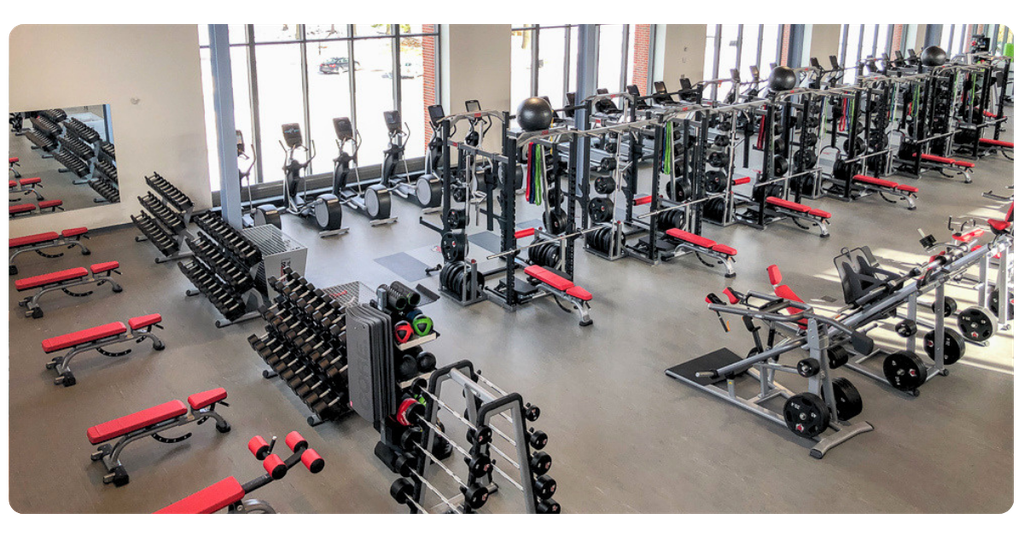
  • Seasonal surges. The first few weeks of fall and spring semesters bring traffic spikes that can double or triple normal usage almost overnight.
  • Wide skill ranges. A strength area might see everything from first-time lifters to Division I athletes on the same equipment, in the same hour.
  • Minimal downtime windows. Many campus facilities never fully close, which can cause accelerated wear. This always-on scheduling also leaves maintenance teams little room for service.
  • Lower supervision ratios. Staff can’t watch every station as they might in a smaller club, so equipment takes more unsupervised wear and tear.

None of this means campus facilities are doomed to break everything. It means the equipment has to be chosen carefully with both student interest and durability in mind.

What Cardio Equipment Holds Up Best in a University Setting?

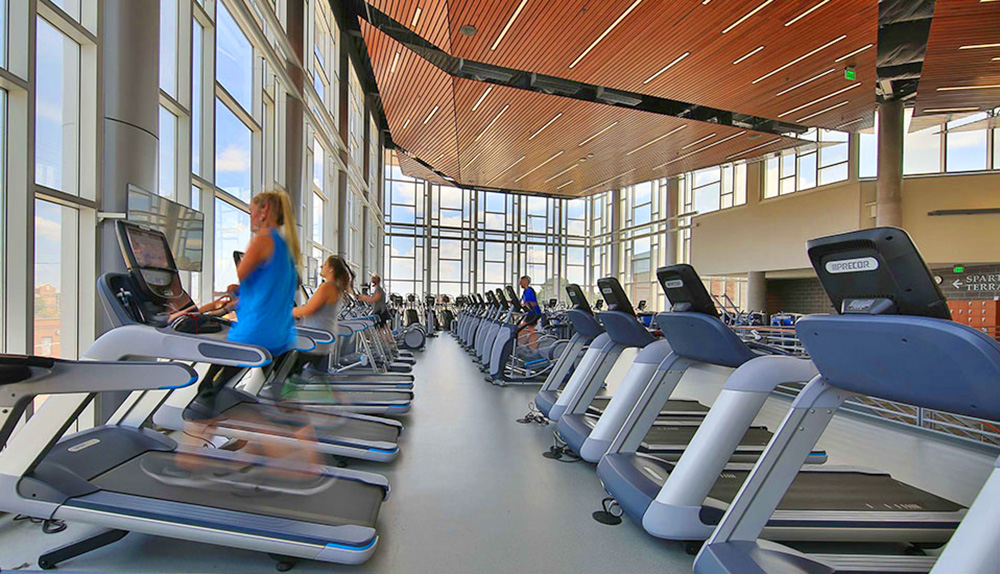
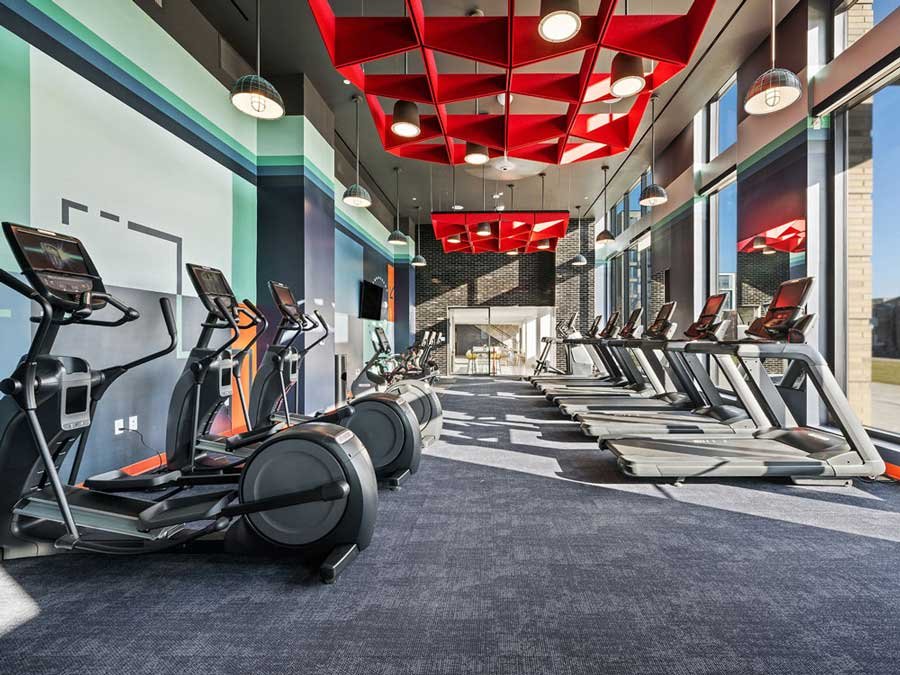
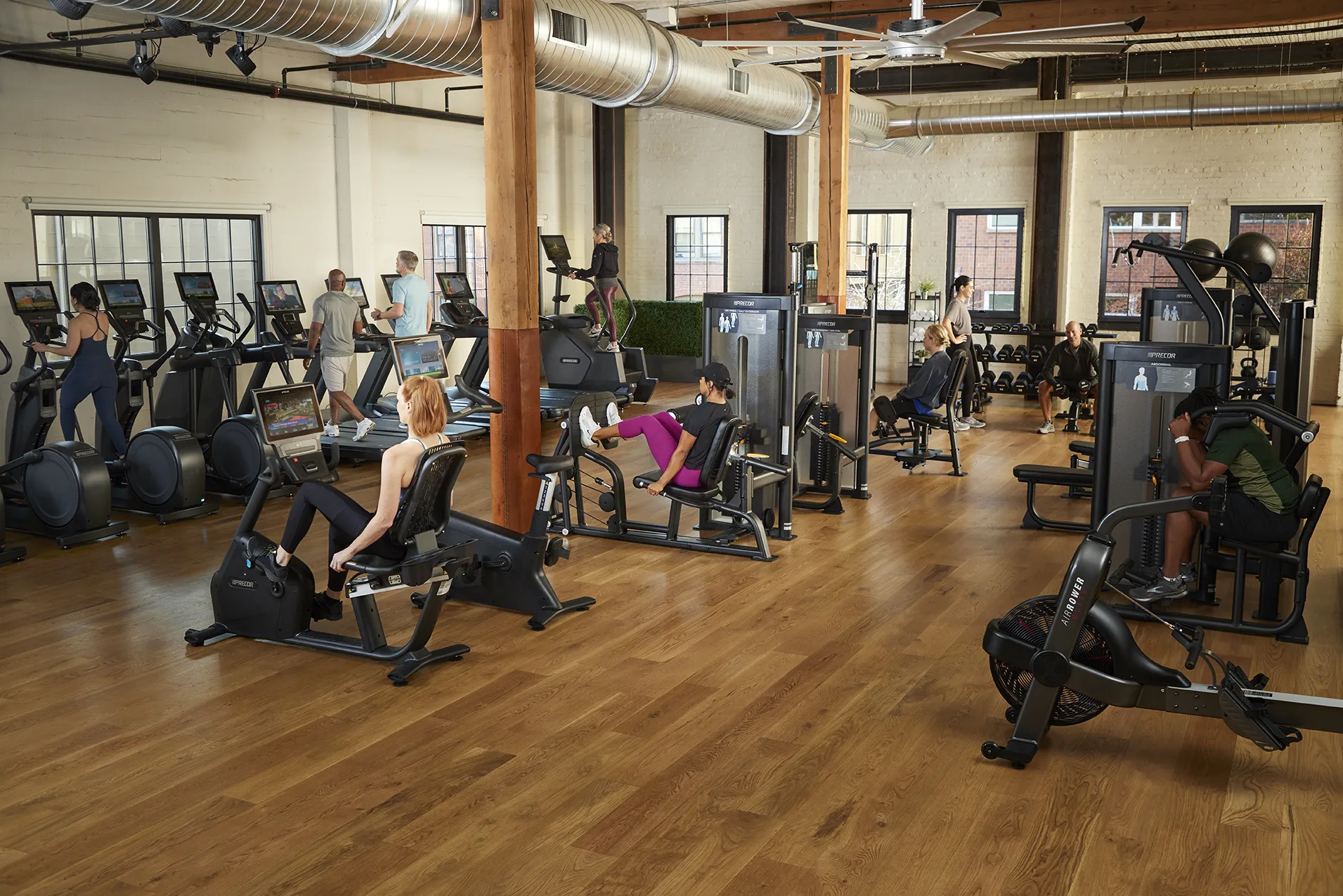
Cardio decks often take the brunt of daily traffic in rec centers, so this is where build quality shows up fastest. In our project work, the cardio lines that consistently go the distance tend to share a few traits: a steel frame rated for continuous commercial use, a drive motor built for extended daily runtime rather than intermittent home use, and a console that can withstand repeated tapping, heavy use, and the occasional spill.
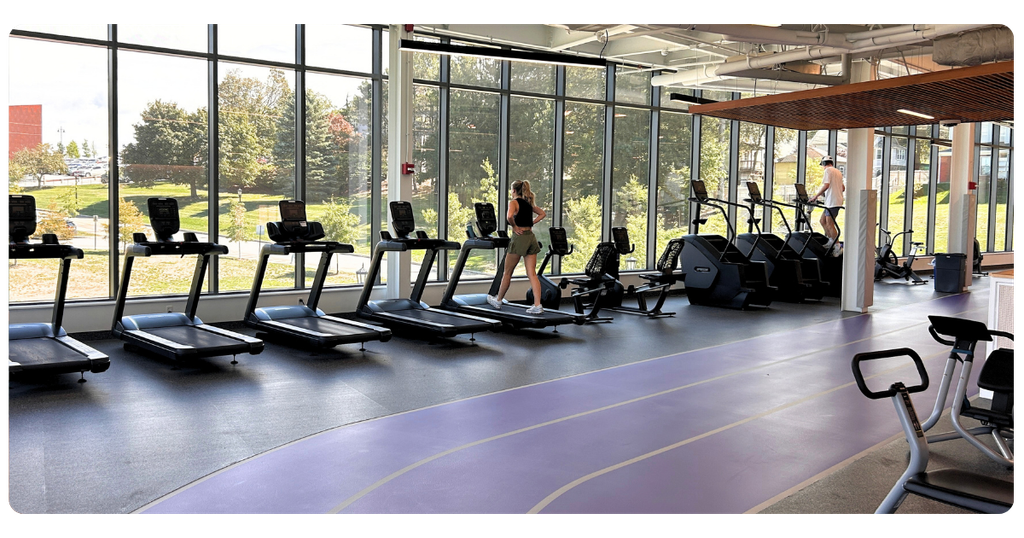
We’ve had strong, consistent, long-term results with Precor for exactly this reason. The ergonomics are built around natural movement patterns, which reduces strain on the machine and the exerciser. Their components are engineered for facilities that never really get a break.

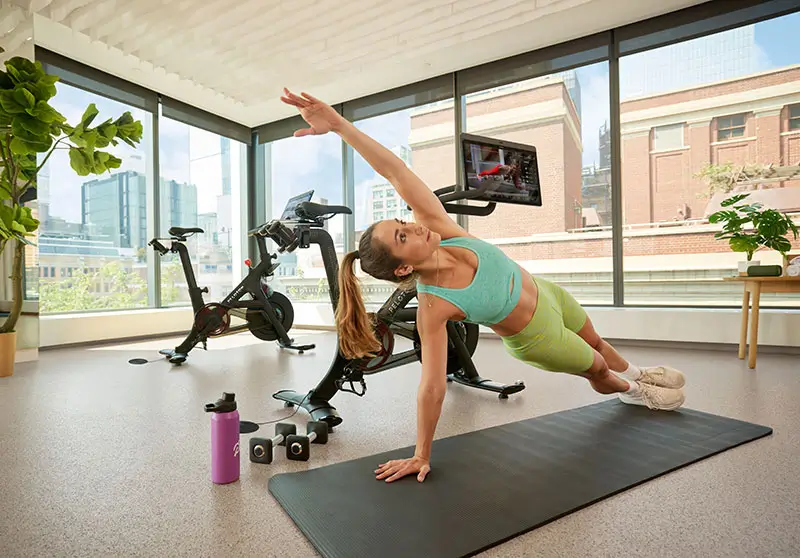
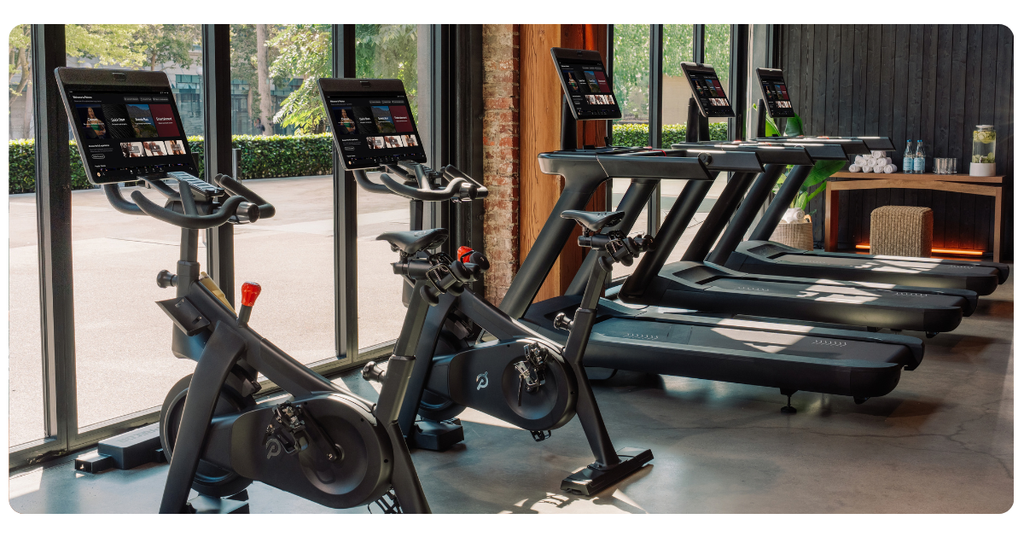
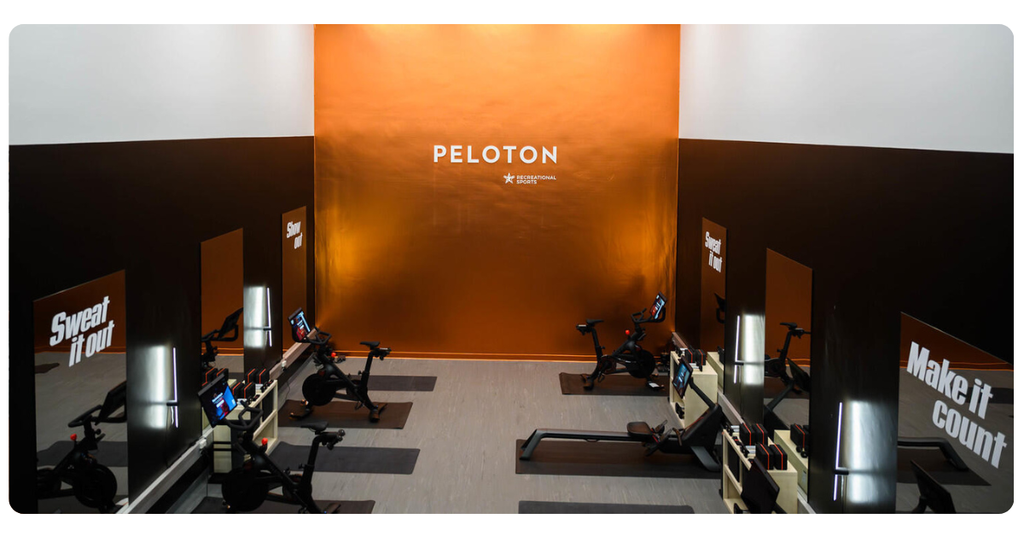
For group cycling programs and connected cardio, we’ve also seen Peloton hold up well in campus studios where class-based cycling has become a major attraction for student engagement. A few things to look for when evaluating cardio equipment for a campus environment include:
  • Commercial-grade motors and belts, not consumer or “light commercial” versions of the same product line
  • A sturdy frame built to handle heavy use throughout the day Consoles with minimal moving parts and straightforward touchpoints
  • A manufacturer with a strong regional parts and service network, so a broken belt doesn’t mean three weeks with a machine out of rotation

What Strength Equipment Can Handle Nonstop Use?

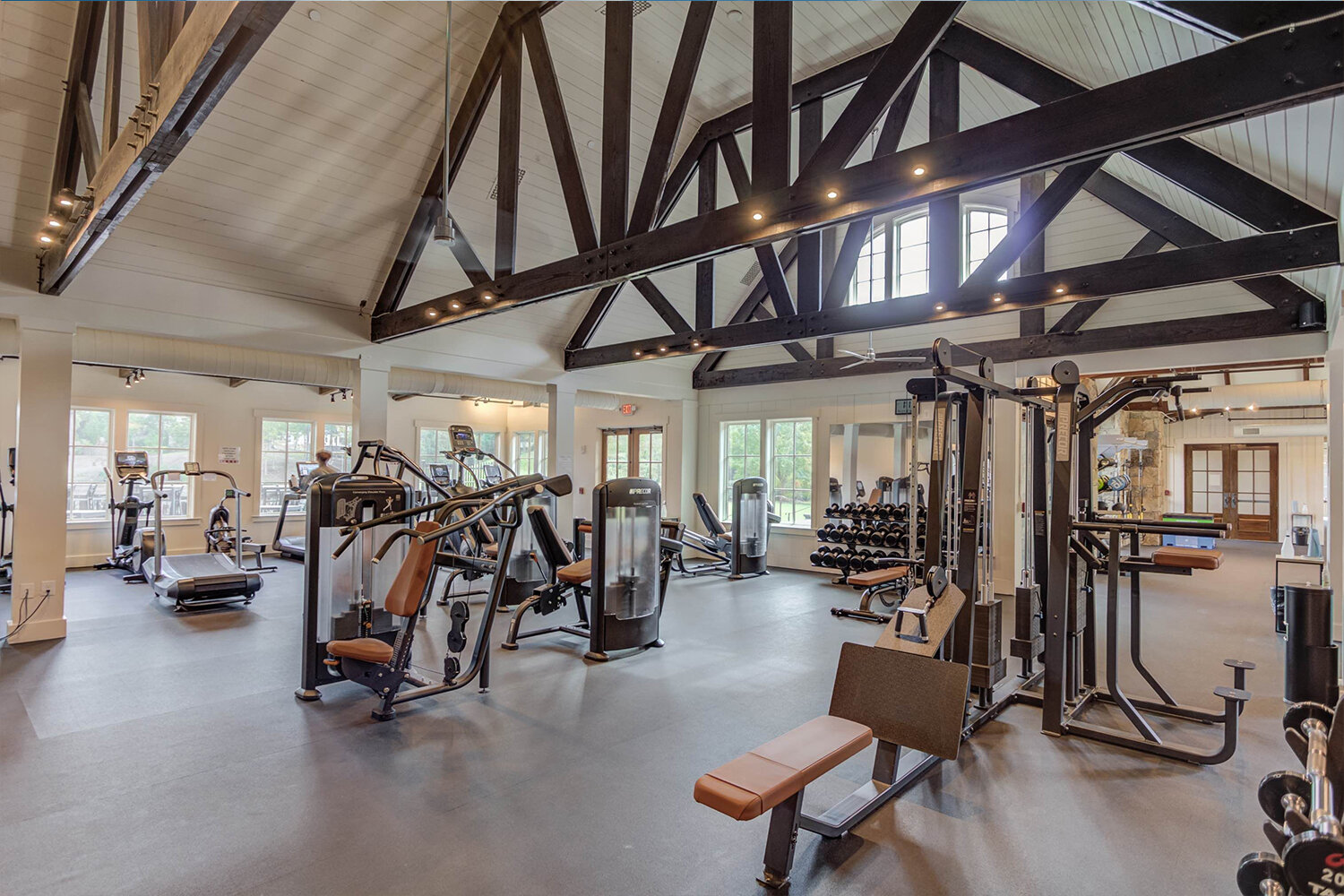
Strength areas take a different kind of abuse than cardio decks. Instead of steady wear from continuous motion, they absorb sudden impact from dropped plates, racked bars, and exercisers who don’t always treat the equipment gently. Durability here comes down to steel gauge, weld quality, and how easily worn components can be swapped out.
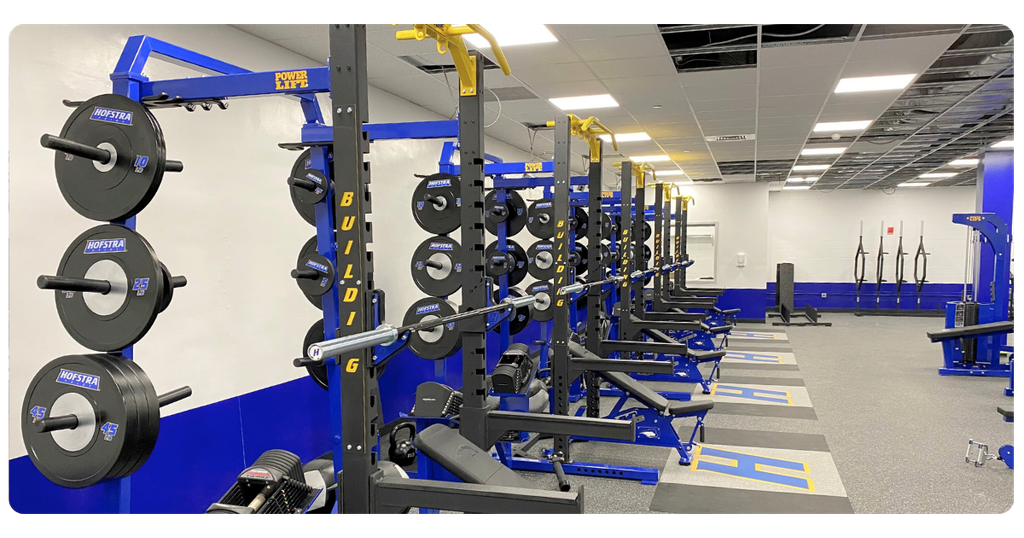
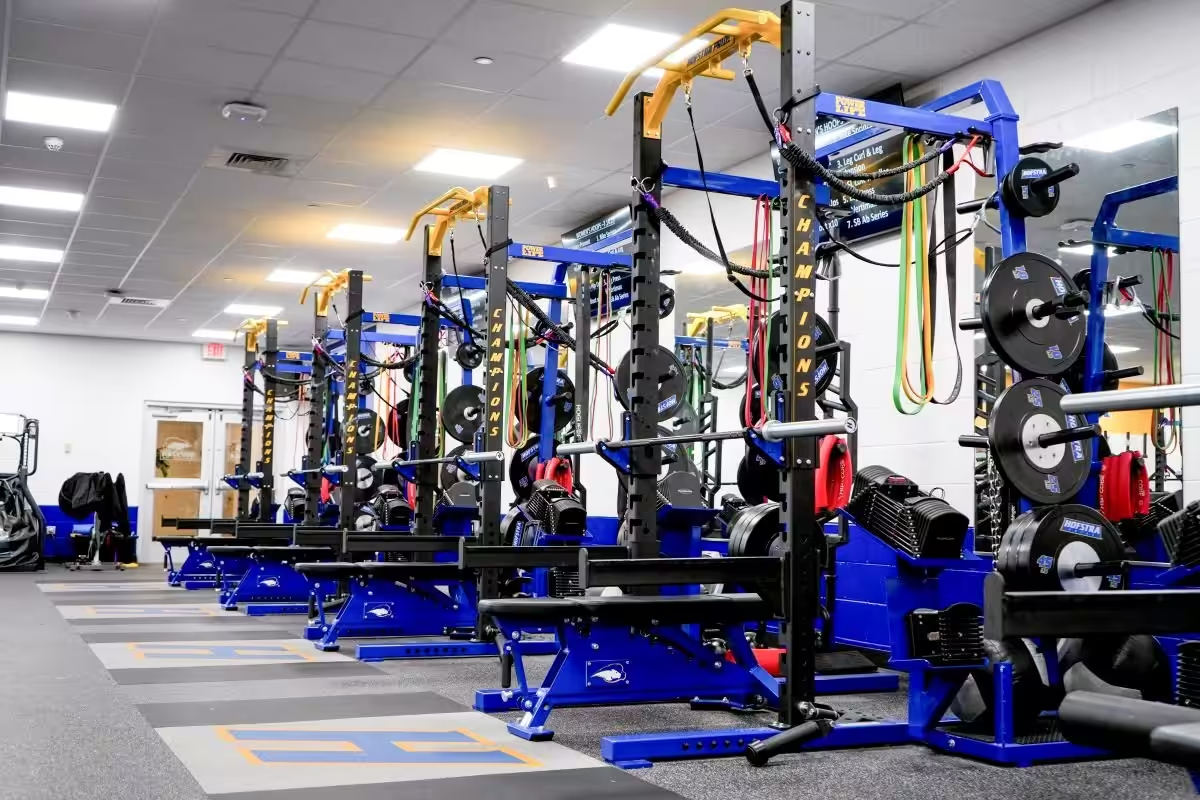
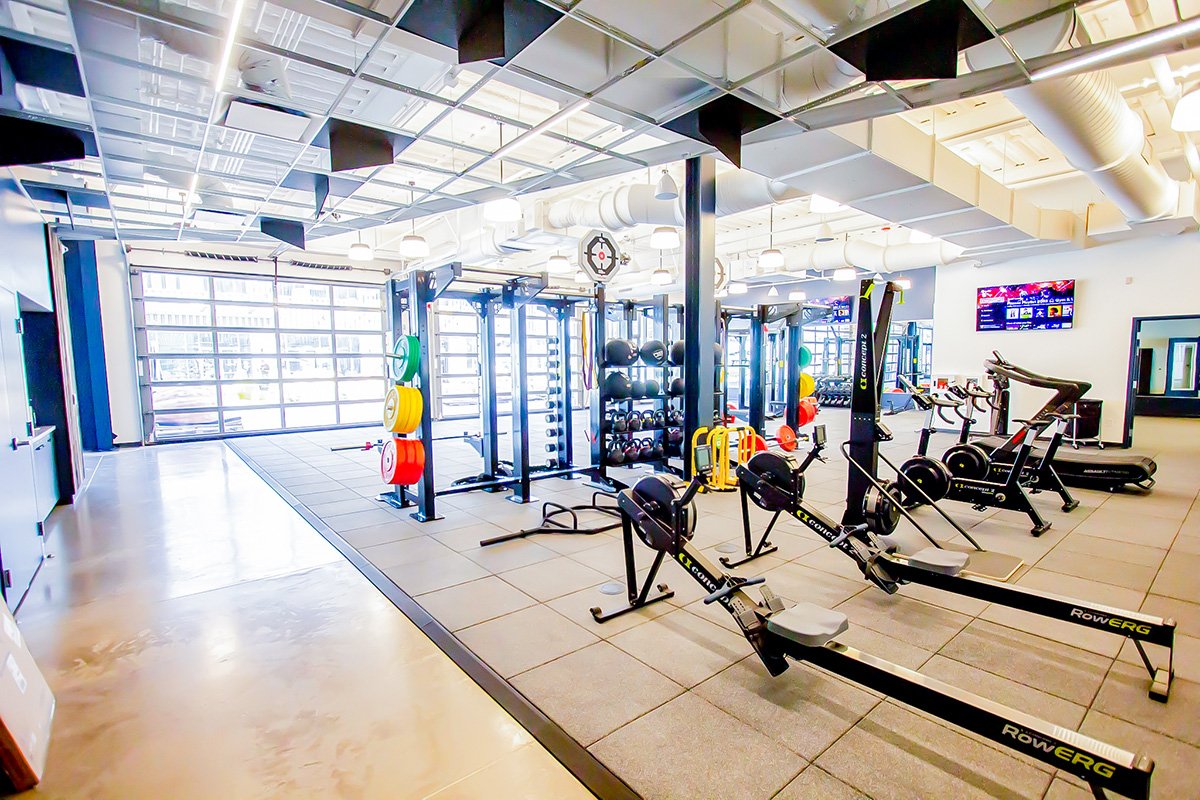
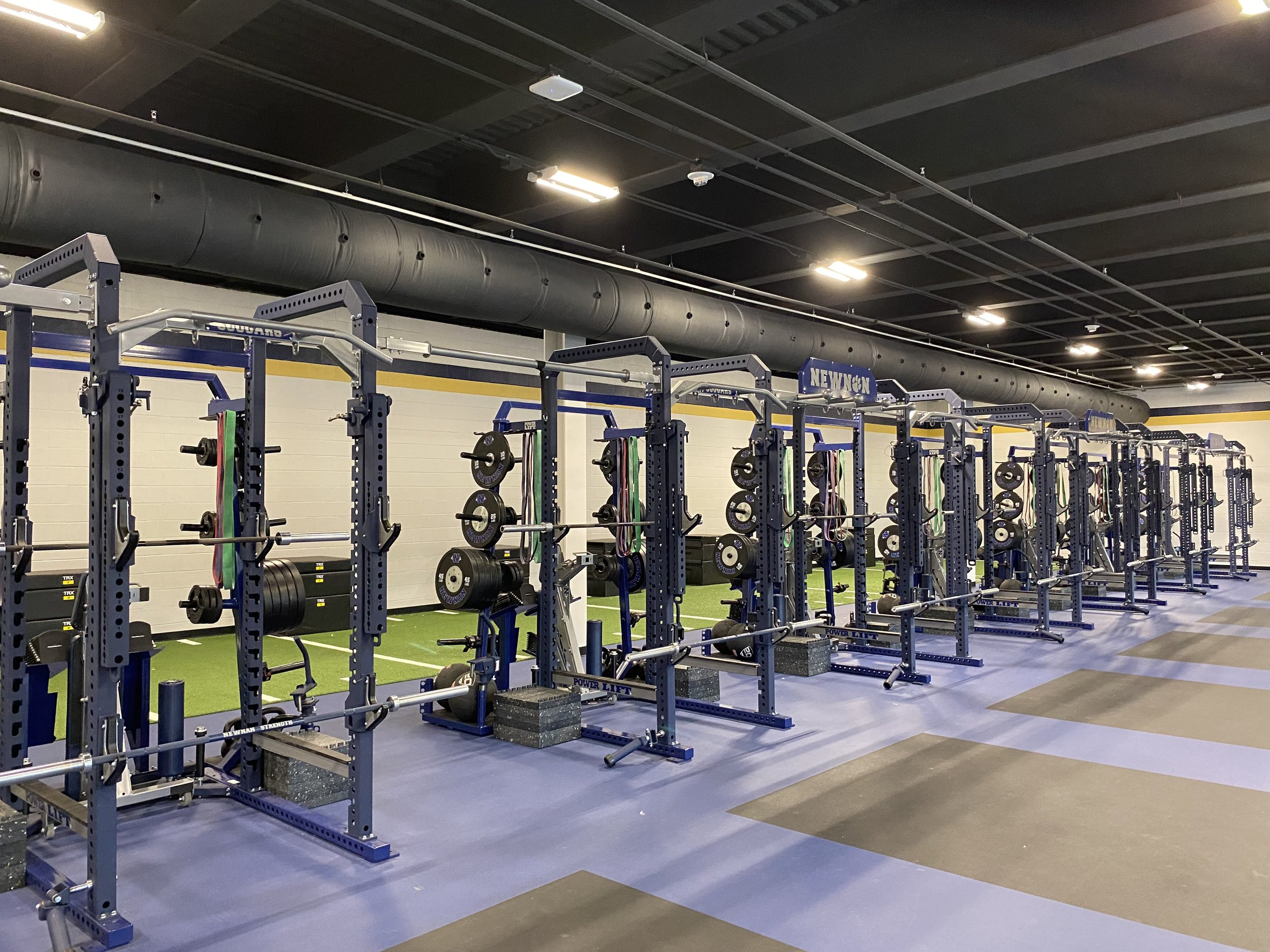
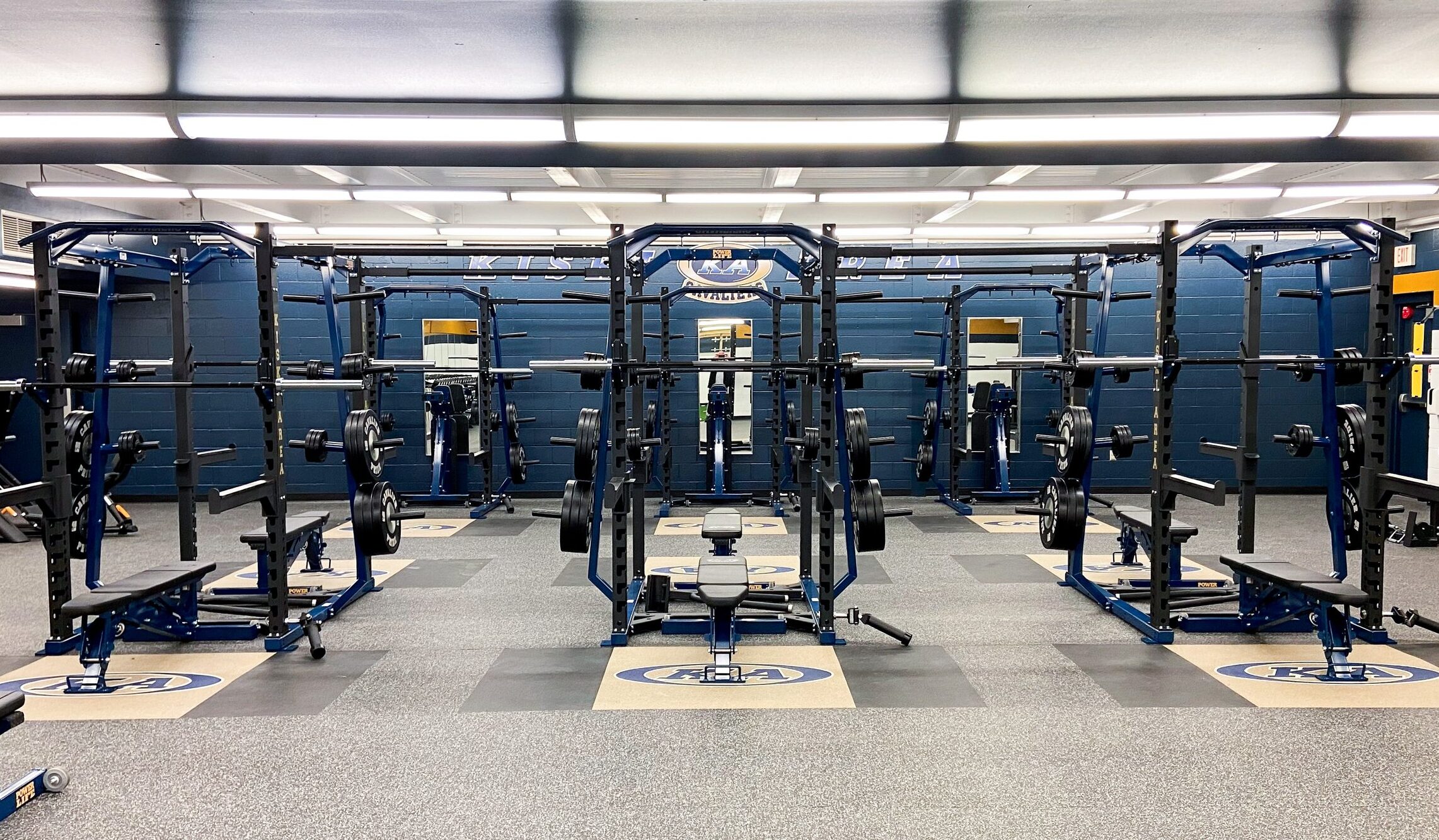
Plate-loaded racks and platforms built by manufacturers who specialize in serious strength training, like Power Lift, tend to outperform lighter-duty equipment in this setting. The heavier gauge steel and simpler mechanical design mean there are fewer things to break, and the parts that do wear, like pins, pulleys, and cables, are usually easy to replace without taking the whole unit out of service.

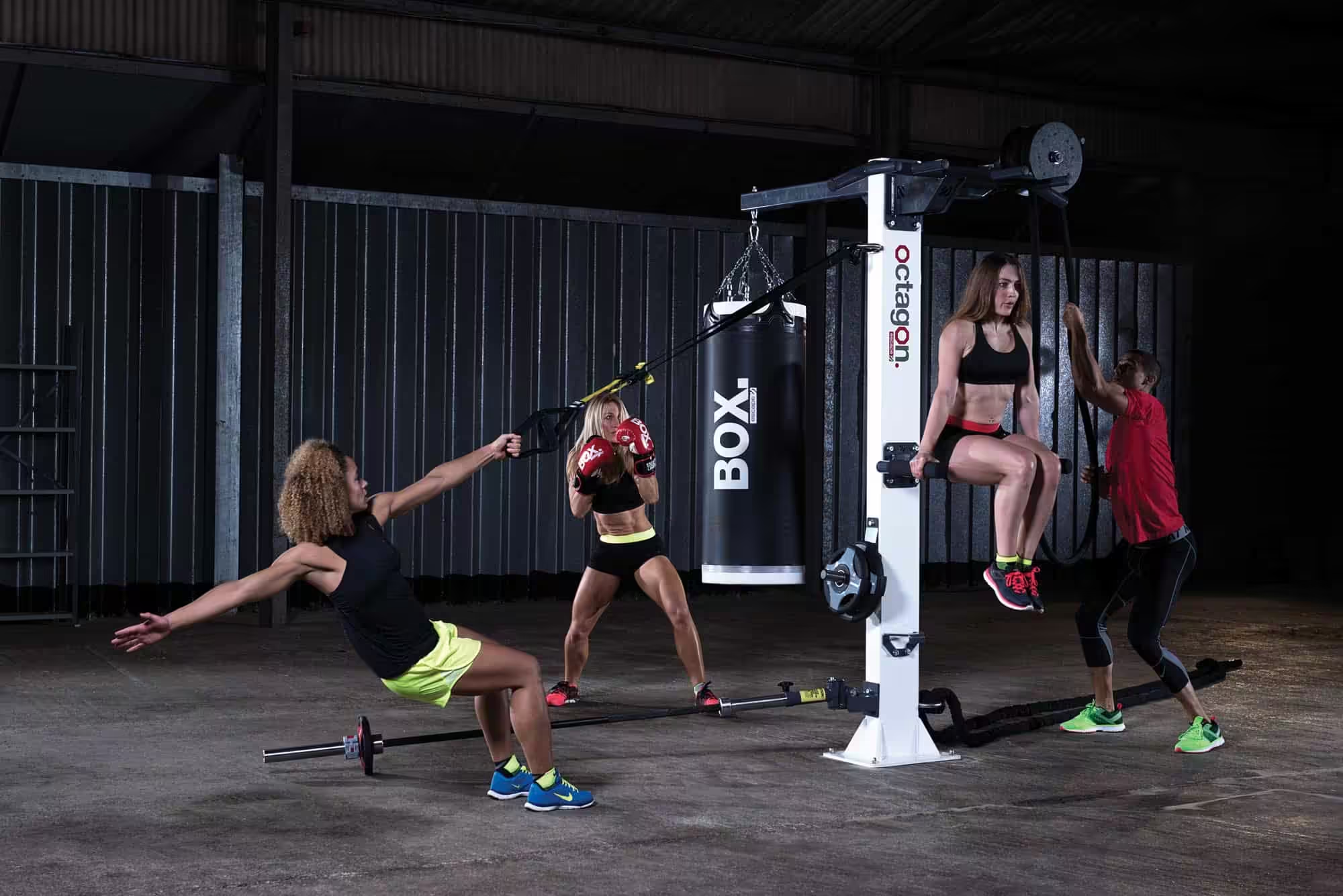
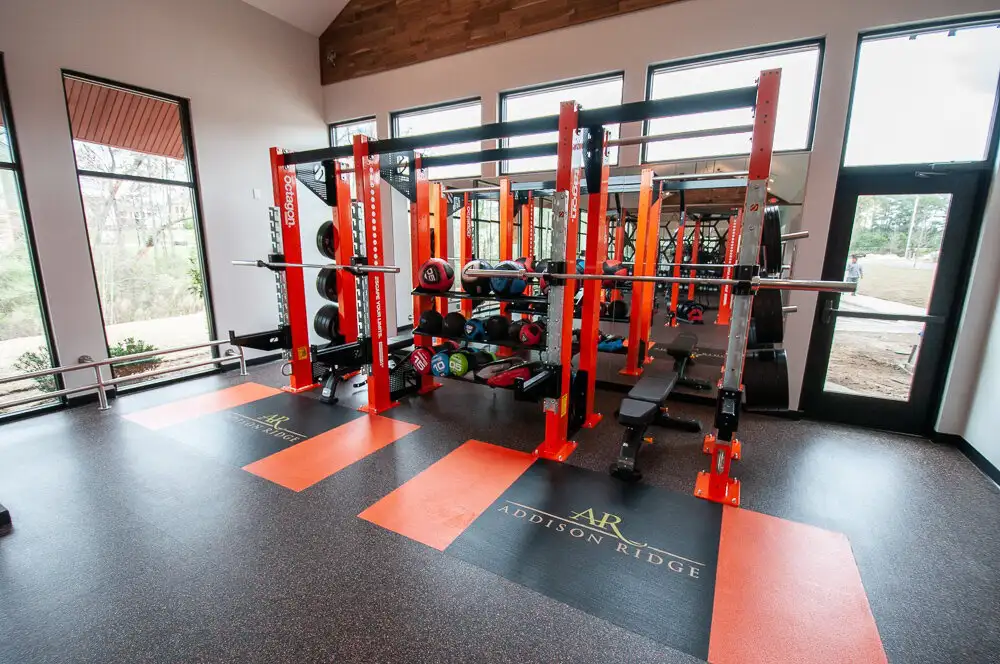
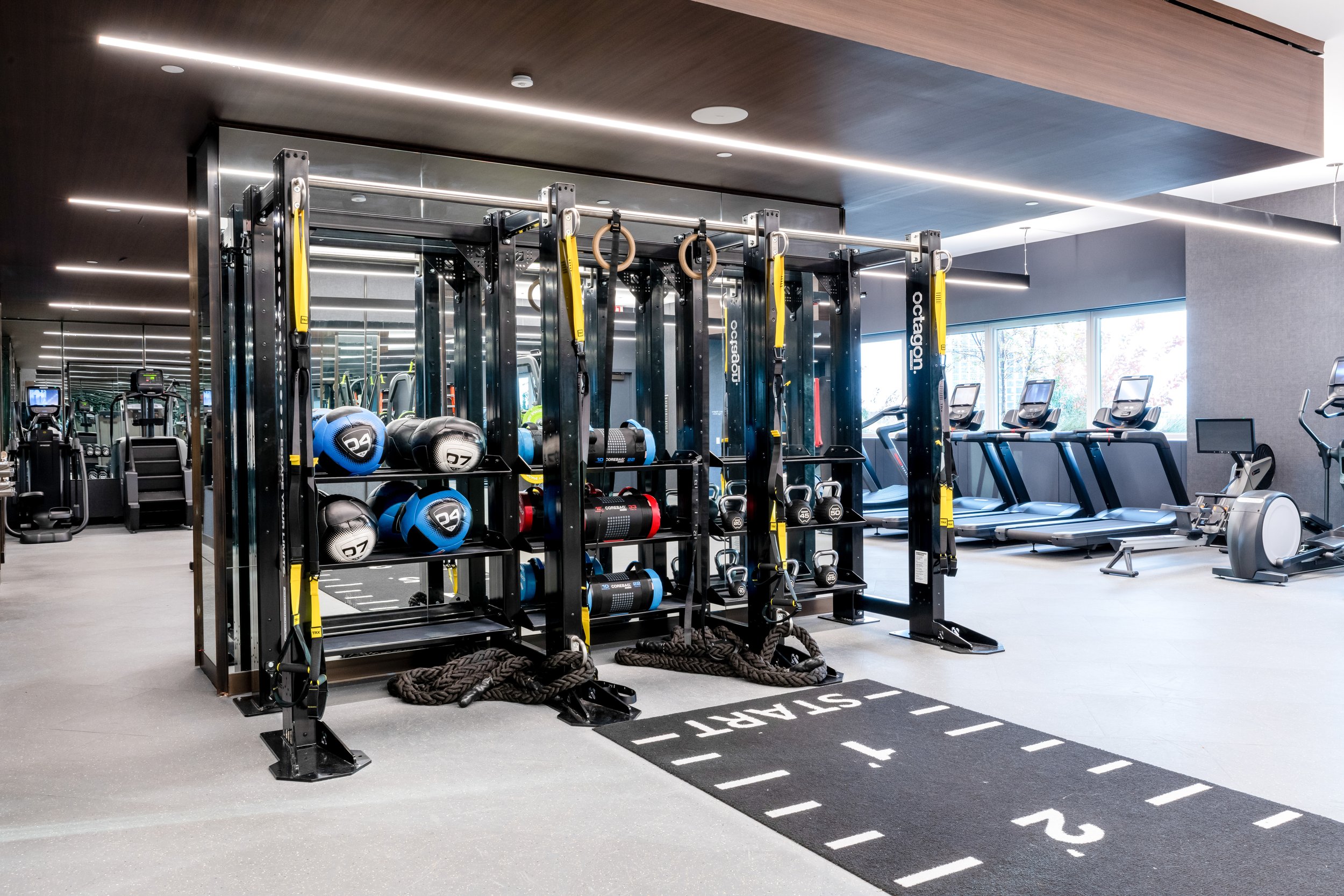
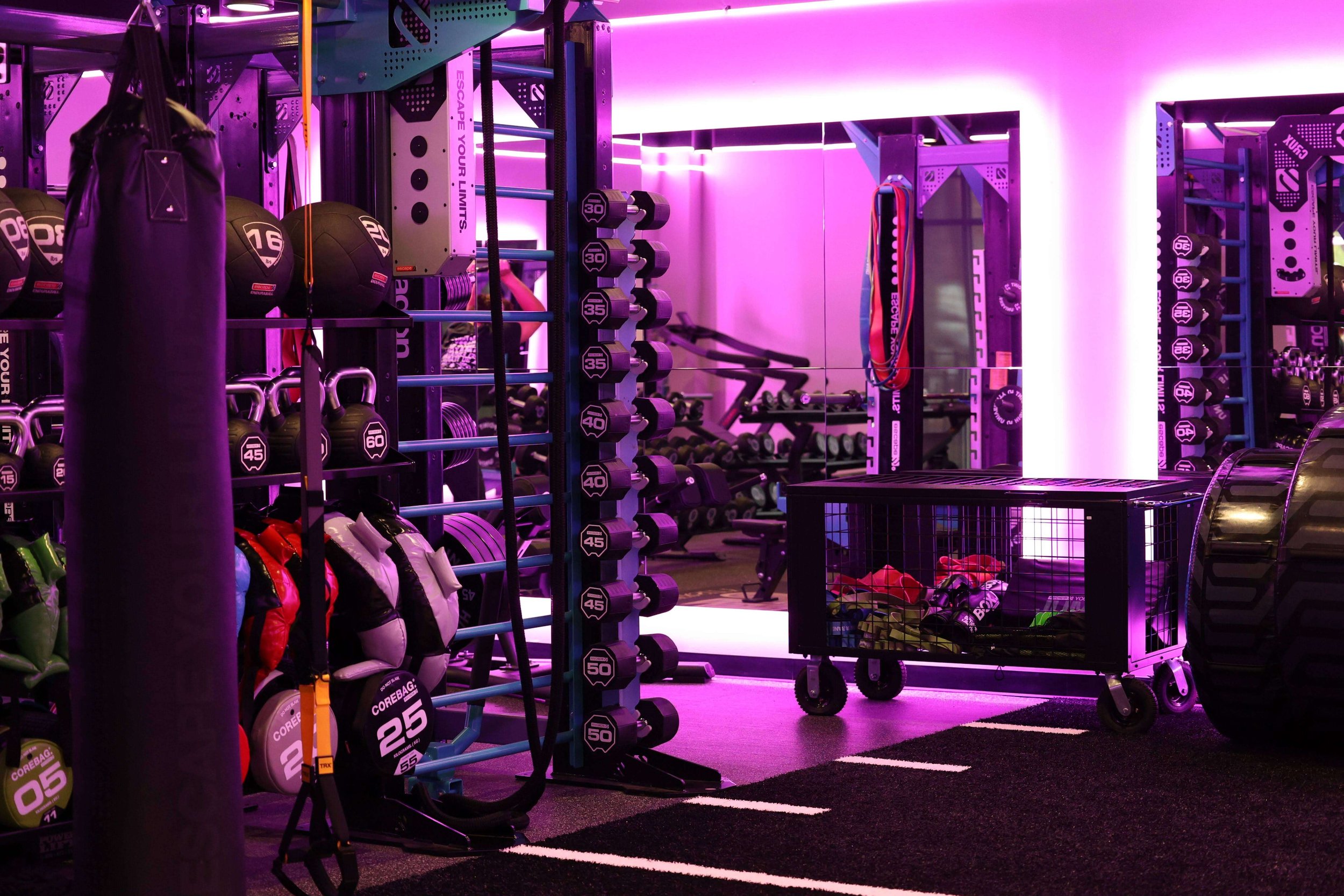
For frames and strength accessories related to functional fitness, Escape Fitness offers the flexibility, quality, and durability campus rec centers need. Overall, in our experience, the strength equipment that holds up best in a campus setting has:

  • Heavy-gauge welded steel frames rather than bolted or lighter tubular construction
  • Sealed or shielded bearings that resist dust, sweat, and humidity
  • Replaceable elements (like cables and pulleys) that make repairs and maintenance more accessible
  • Simple, intuitive adjustment points that don’t require force to reset between exercisers

What Should You Look for When Buying Equipment for a University Rec Center?

It is no secret that high-quality rec centers can promote student success, boost athletic performance, and be a game-changer in recruitment. Before signing off on a purchase, we’d encourage any campus recreation director or facilities manager to run through this checklist:
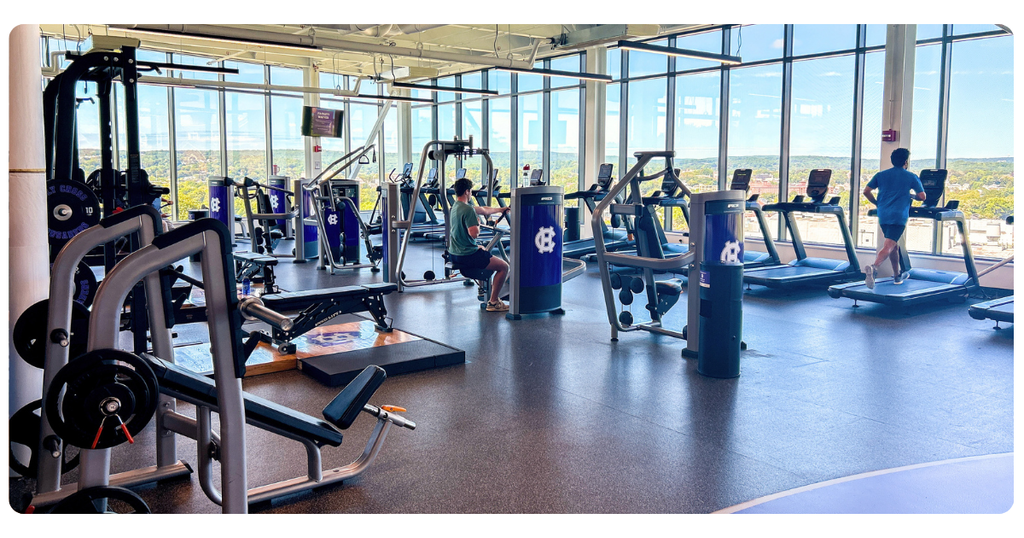
  • Does the equipment manufacturer have a proven track record in university or other high-traffic institutional settings?
  • What’s the realistic regional turnaround time for parts and service?
  • Is the equipment easily serviceable, such as with accessible and replaceable parts?
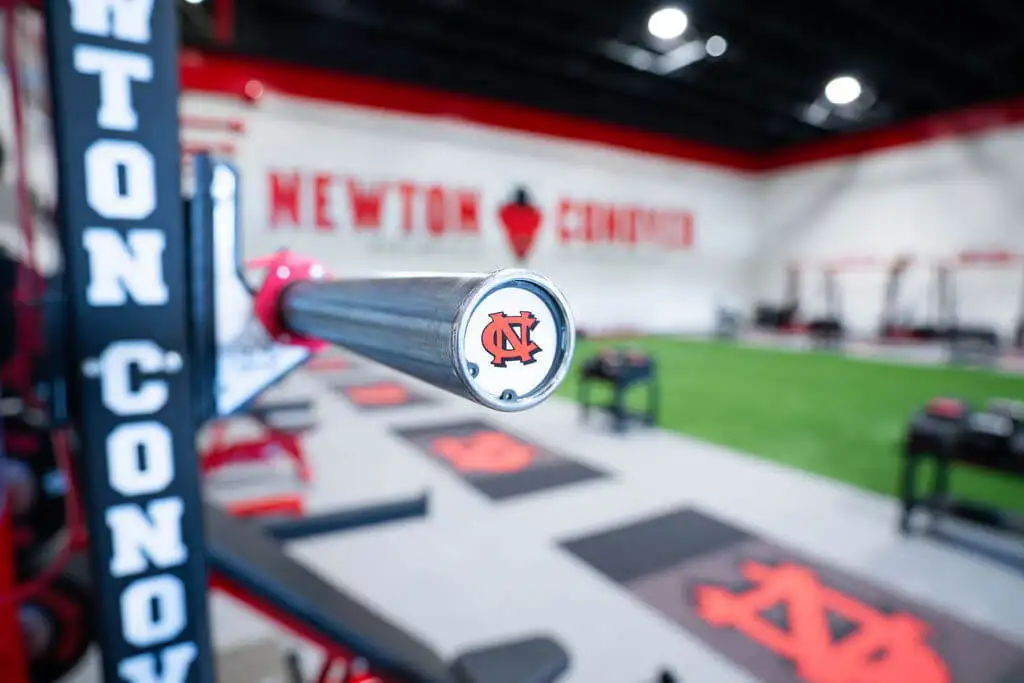
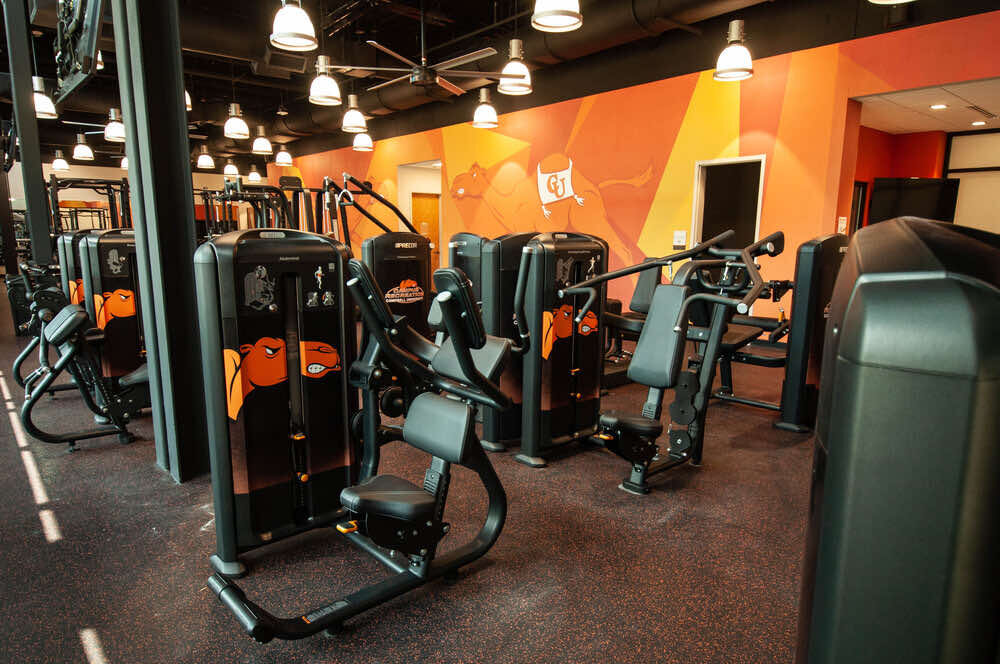
  • Can the equipment be custom branded, which plays an especially important role in college and university rec centers? 
  • Has the equipment been tested for the kind of continuous, multi-shift use your facility actually experiences?
  • Does the warranty cover labor, or just parts?
  • Does the layout plan account for traffic flow, clearance, and airflow, or was equipment placement an afterthought?

How Often Should Universities Plan to Replace Equipment?

Lifecycle planning depends heavily on category. Cardio equipment tends to need replacement every 5 to 7 years in a high-traffic campus setting, driven less by mechanical failure and more by accumulated wear on moving parts. Strength equipment, particularly plate-loaded racks and platforms, can often run 10 to 15+ years with consistent maintenance.
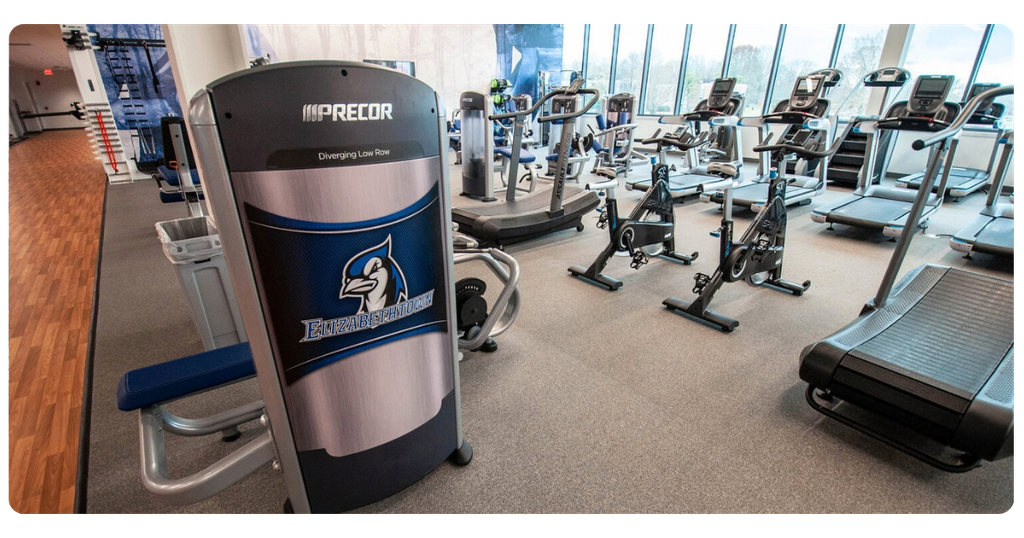
Building a rolling replacement plan with your design expert (rather than waiting for equipment to fail outright) keeps a facility from feeling dated and spreads out the budget impact instead of hitting it all at once. It also gives your equipment partner time to flag components that are approaching the end of their useful life before students start noticing.

Choose ASF For University Rec Center Design, Installation, and Equipment

Campus recreation facilities demand more from fitness equipment than almost any other environment. The right equipment, however, doesn’t have to be complicated to choose. Focus on durable frame construction, dependable drive systems, serviceable components, and a layout built to withstand high student traffic.
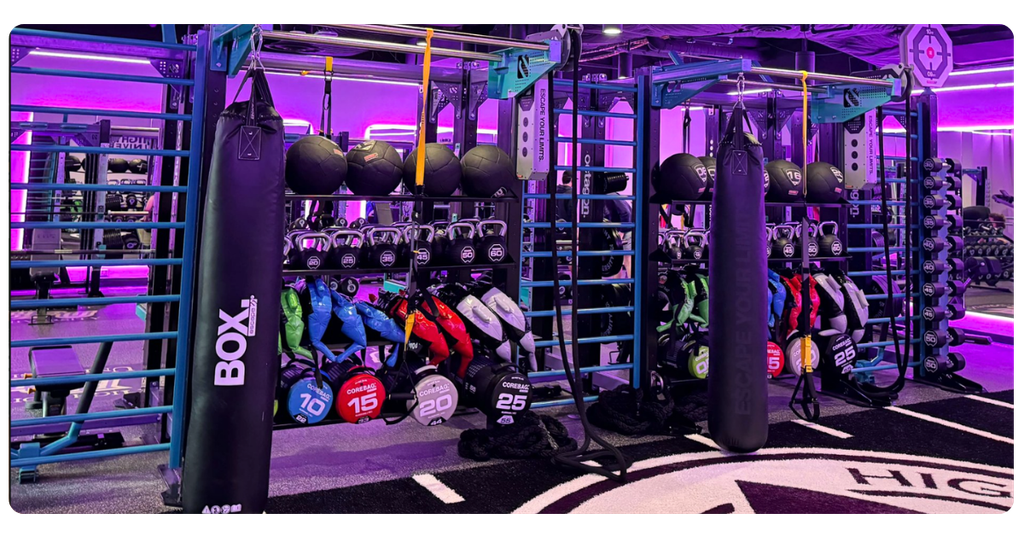
If your university is planning a renovation, an expansion, or simply trying to figure out why certain equipment keeps breaking down, ASF is here for you. Our team offers end-to-end support for college gyms, university rec centers, and everything in between, including gym design and planning, equipment delivery and installation, maintenance and repair, and leasing or financing. 

We invite you to view our work or contact us to start the conversation today.

Frequently Asked Questions

“Commercial grade” isn’t a regulated term, so it gets used loosely across the industry. True commercial equipment is engineered for continuous, multi-shift use with heavier frames and commercial-rated motors. Light commercial equipment is often closer to a home gym build that’s been rebranded for lower-traffic studios. You can read more in our guide: What Does “Commercial-Grade” Mean for Gym Equipment?

There’s no universal ratio, since it depends on enrollment, peak-hour traffic, and what other cardio options exist on campus, like a track or turf field. A better approach than following a generic formula is having a design expert analyze your equipment usage, exerciser population, machine turnover, and other data to tailor a plan to your needs and future-proof your gym for longevity. 

Most campus facilities do well with a hybrid approach. In-house staff can handle basic cleaning and simple part swaps, while a service contract covers more technical repairs and warranty work. The deciding factor is usually whether replacement parts are accessible to non-specialists, which varies by manufacturer and equipment pieces.

Yes, and more than most people expect. Tight spacing restricts airflow and increases wear on cardio motors, while cramped strength areas lead to more accidental frame damage from bars and dropped plates. Professional design and layout planning should happen alongside equipment selection, not after the equipment has already been ordered.

We generally recommend starting the conversation 12 to 18 months before you want new equipment on the floor, especially for larger renovations involving construction or design changes. That timeline leaves room for design consultation, budgeting cycles, and manufacturer lead times without forcing a rushed decision. If you have already missed this window, sooner is better for getting started on your gym planning. Contact us to get started today, and we will see how we can work with your timeline. 
Our services

We are ready to support your facility in every phase.

Partner Brands

Explore our collection of partner brands.

All Partner Brands
Case Studies

Examples of our work.

All Case Studies